Which Is the Best Way to Manage Autism?
Insights from Dr. Habib’s Foster CDC, Hyderabad
Best
way to manage autism: Autism Spectrum Disorder (ASD) is a lifelong
neurodevelopmental condition characterized by differences in social
communication, behavior, sensory processing, and learning. Because autism is
unique in each person—different strengths, different challenges— “the best way”
to manage it is never one-size-fits-all. The goal is not to “cure” autism but
to support the individual so they can thrive, learn, and engage meaningfully
with their environment.
Best way to manage autism
Here at Dr. Habib’s Foster CDC, Hyderabad,
we believe in a holistic, evidence-based, person-centered approach. This blog
explains what that means, explores the variety of effective therapies and support
options, and helps you determine what might be best for your child or loved
one.
Understanding Autism Management: Key Principles
Before jumping into therapies, let’s agree
on some guiding principles that help make management effective:
1. Early Intervention
The earlier you start, the better. Young brains (2-5 years) are highly plastic, which means therapies can shape learning, communication, and social skills more effectively.2. Individualization
Each autistic person has different strengths (e.g., excellent memory, interest in patterns, musical sensitivity) and different needs (communication style, sensory sensitivities, behavior support). Plans must be tailored.3. Consistency and Intensity
Regular, frequent sessions (either in clinic, school, or home) plus consistent strategies across settings (home, school, community) tend to produce the most improvement.4. Family Involvement
Parents, siblings, and caregivers are central. When families are trained, supported, and active partners, gains tend to be larger and more sustainable.5. Holistic Supports
Autism doesn’t only affect communication or behavior—it also involves emotional regulation, sensory processing, physical health, and sometimes co-occurring conditions (like anxiety, ADHD, sleep difficulties). The best management includes support in all relevant areas.6. Respect, Acceptance, and Building on Strengths
Supporting neurodiverse identity, recognizing what the individual does well, and helping with self-esteem and autonomy are important, not just “fixing problems.” This also means avoiding harmful or purely compliance-based approaches.Putting It Together: What Might an Ideal Plan Look Like at Dr. Habib’s Foster CDC
Here’s how all these pieces can integrate
into a plan, adapted for our setting in Hyderabad / Telangana:
1. Comprehensive Assessment
o Medical
check-ups to rule out hearing loss, vision issues, sleep problems, seizures, or
metabolic issues.
o Developmental,
speech, language, sensory, and behavior assessments.
o Strengths
identification: what does the child naturally do well (attention, pattern
noticing, puzzle solving, artistic skills, etc.)
2. Individualized Treatment Plan
o Based
on assessment, goals are set: short-term (e.g., improve ability to use 5 words
to make a request), medium (participate in kindergarten), long-term (increase
independence).
o Mix
of behavioral, developmental, speech, occupational, and sensory therapies as
needed.
o Family
training: parents/caregivers learn strategies to use at home and school consistently.
3. Routine & Environment Management
o Visual
schedules for daily routines (morning, school, therapy, bedtime).
o Sensory
safety: how to reduce overwhelming sensory inputs (noise, lighting, touch,
smell).
o Structured
classroom or home environment with clear expectations.
4. Regular Monitoring & Adaptation
o Every
few months (or more frequently early on), measure progress on goals; revise
approach if something isn’t helping.
o Use
data (how often did behavior occur, how quickly did communication improve,
etc.).
5. Support for Co-Occurring Issues
o Sleep
hygiene (insomnia or fragmented sleep are common).
o Mental
health support if anxiety, depression, or emotional regulation challenges
exist.
o Nutrition,
physical activity, motor skills.
6. Community, Education, Social Integration
o Inclusive
schooling or special schools as needed, with supports.
o Social
skills groups.
o Peer-mentoring
or buddy systems.
o Support
groups for families; sharing experiences and learning.
7. Culture & Context Sensitivity
o Respecting
family norms, language, and expectations. Hyderabad has multicultural,
multilingual settings—plans must be viable geospatially (access to therapy
centers), financially, and socially acceptable.
o Using local resources: therapists, special educators in the city, and teletherapy if needed.
What Evidence & Research Say
- Applied
Behavior Analysis (ABA) and early intensive
behavior interventions show consistent evidence for improving language, IQ
scores, and adaptive behavior.
- Speech
therapy is essential for increasing
communication, especially when paired with AAC methods where needed.
- Sensory
Integration Therapy shows promise,
especially for children aged ~4-12, in helping reduce sensory overload and
improving focus.
- Developmental
models like ESDM provide good results
for very young children when therapy is intense and started early.
- Holistic
supports (mental health, family
involvement, structured environments) correlate with better long-term
outcomes, including better quality of life.
Choosing What’s Best way to manage autism for YOUR Situation
Because every child/person with autism is
unique, here are questions to help you evaluate or decide what components are
best:
- What
are the most pressing challenges: communication, behavior, social
interaction, sensory issues, self-care?
- What
are the individual's strengths? What motivates them?
- What
age is the individual? Earlier interventions often yield more flexibility.
- What
resources are available: therapists, special educators, equipment, time,
budget?
- How
much can family be involved in therapy? Can you carry over strategies at
home/school?
- Are
the therapies used respectful, positive, adaptable, and culturally
sensitive?
- Is
progress being measured, and is the plan being revised over time?
How Dr. Habib’s Foster CDC Can Help
At our centre in Hyderabad, we strive to
provide:
- Multidisciplinary
assessment & therapy (behavior, speech, OT, sensory)
- Parent
training programs to empower caregivers
- Structured
classrooms / educational support tailored for ASD children
- Regular
progress tracking & plan adaptation
- Community support: linking families together, liaison with schools for inclusion
Key Takeaway
There is no one “best way to manage autism”
— but there are best practices, supported by research, that when
tailored to the person, applied early, consistently, with family involvement
and respect for individuality, can lead to significant improvements in
communication, social skills, independence, and well‐being.
Interactive Questions for You
To help start building or refining a plan,
here are things you might consider:
1.
Goal Setting:
What are one or two goals you want for your child over the next 6 months? (E.g.
use five new words, tolerate being in a crowded place, eat self-servingly etc.)
2.
Strength Inventory:
What does your child naturally enjoy doing? What are they good at?
3.
Therapy Access:
What therapies are available where you live, in Hyderabad? What cost or travel
constraints exist?
4.
Support Network:
Who are your allies (family, teachers, therapists)? What support would help you
most?
Other Blogs

Services
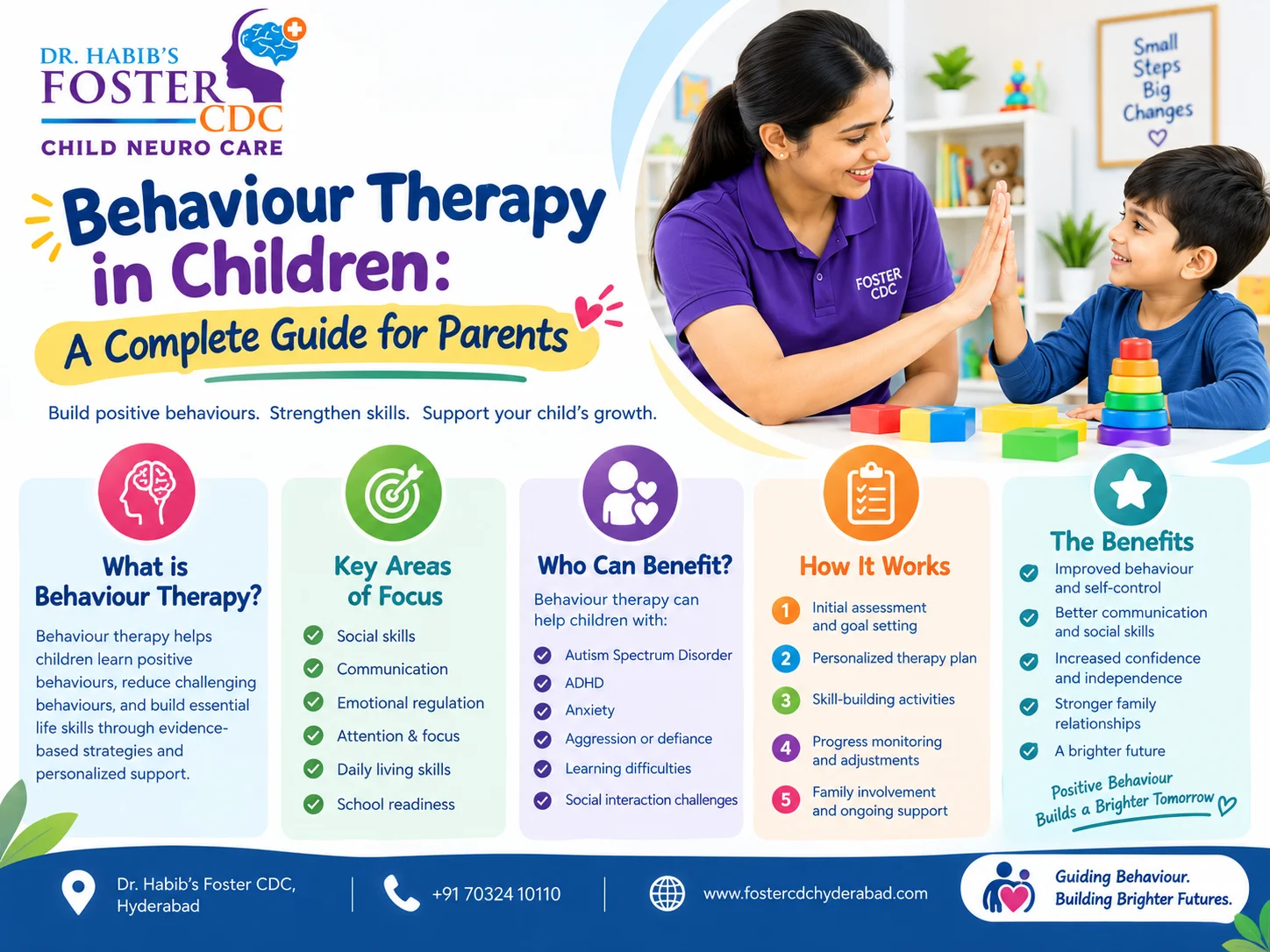
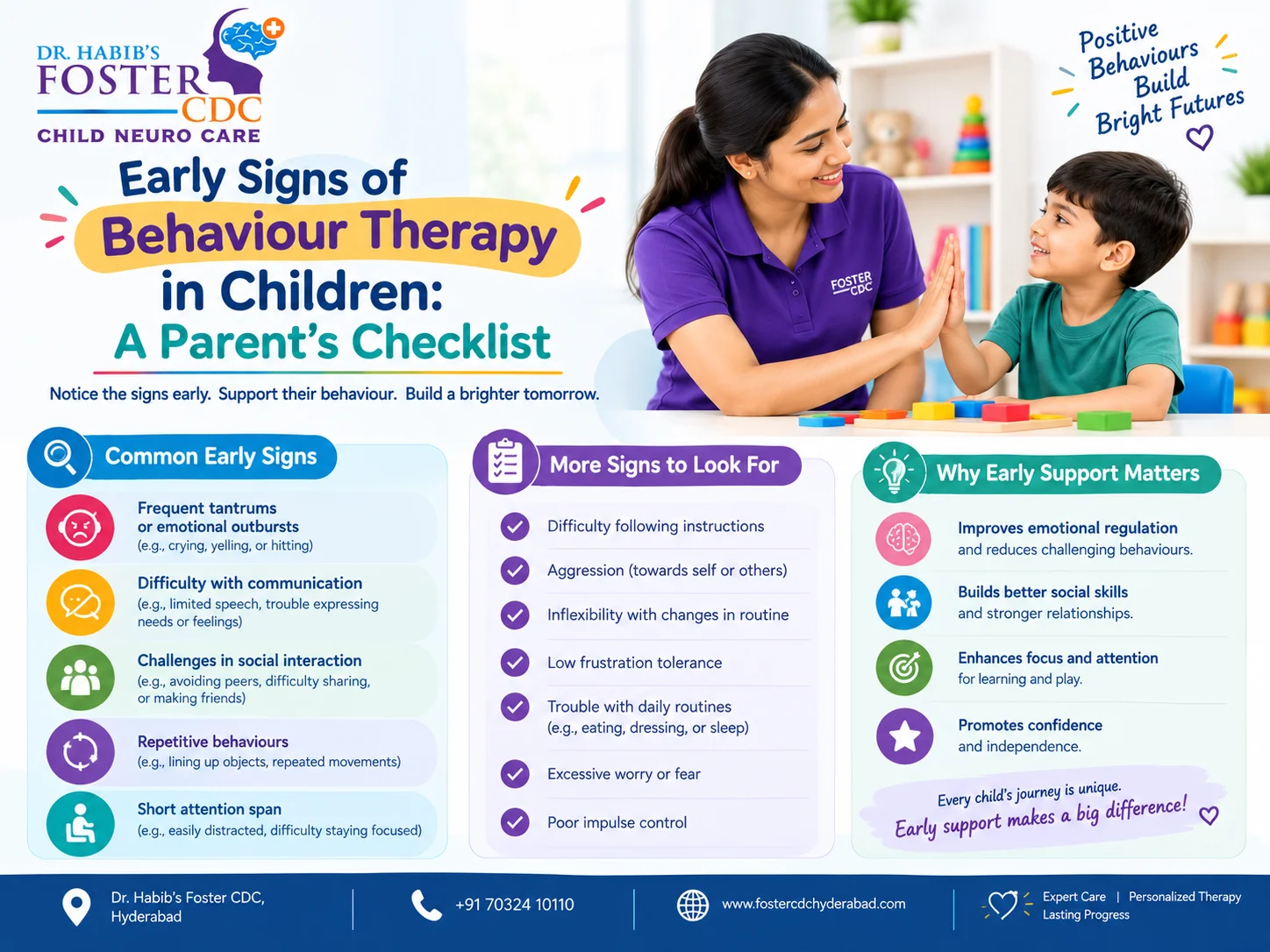
- Behavioural Therapy
- Speech Therapy
- Special Education
- Parent Training
- Psychotherapy & Counselling
- Yoga Therapy
- Postural & Mobility Therapy
- Early Intervention Services
- Cognitive Behavioural Therapy
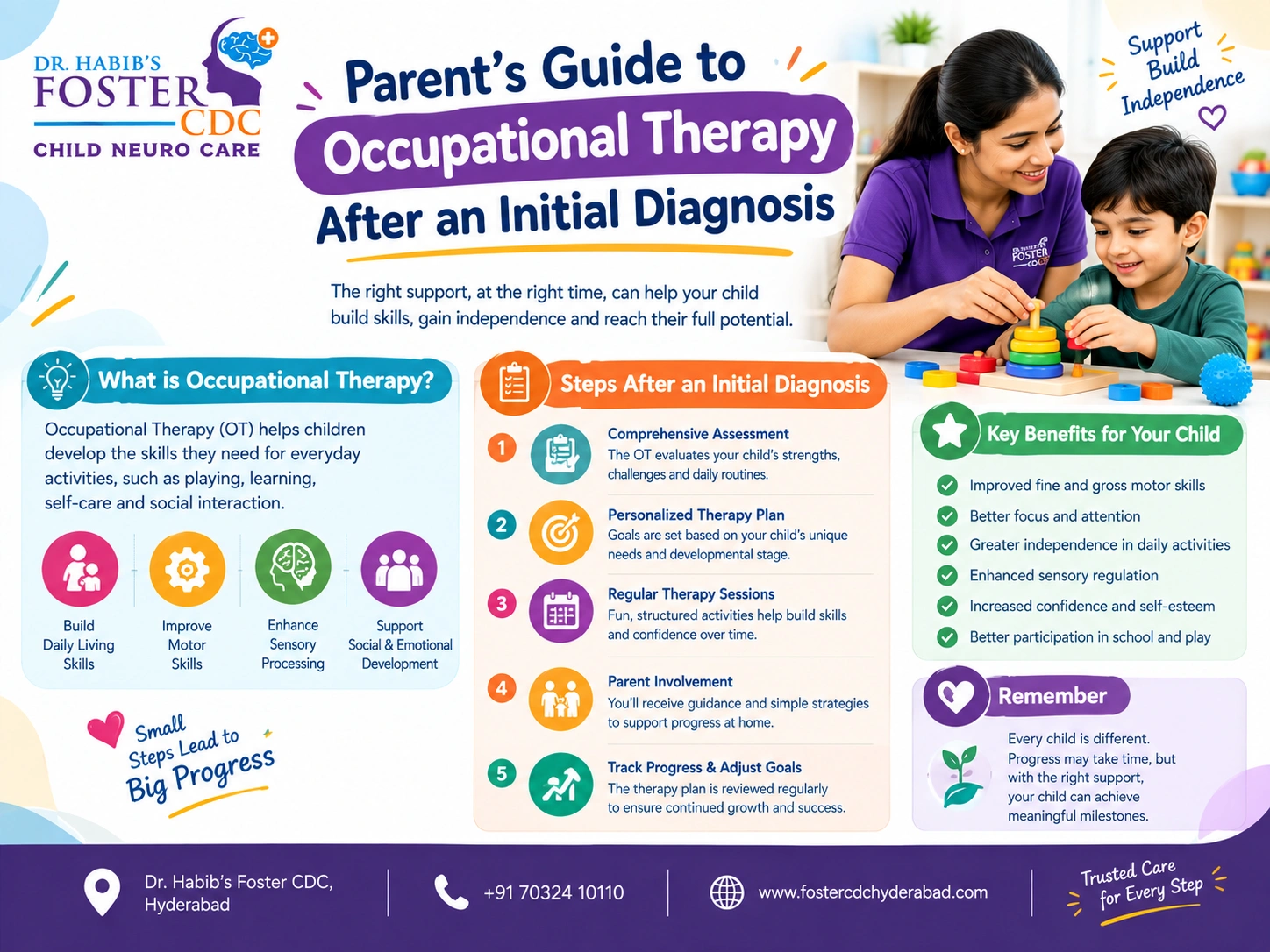
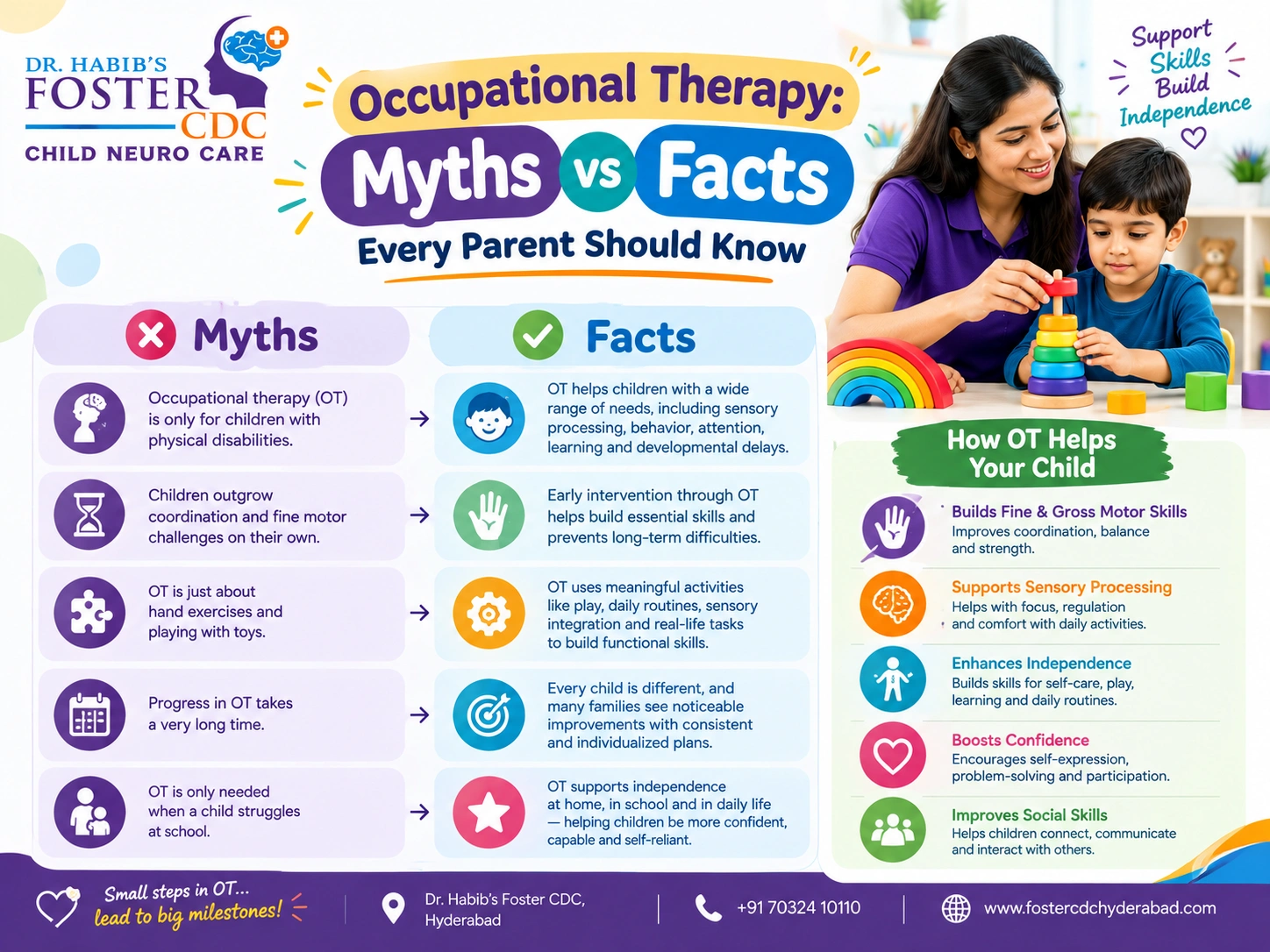
- Occupational Therapy
- Group Teaching
- Teachers' Training
- Certified Courses
- Developmental Therapy
- Autism Therapy