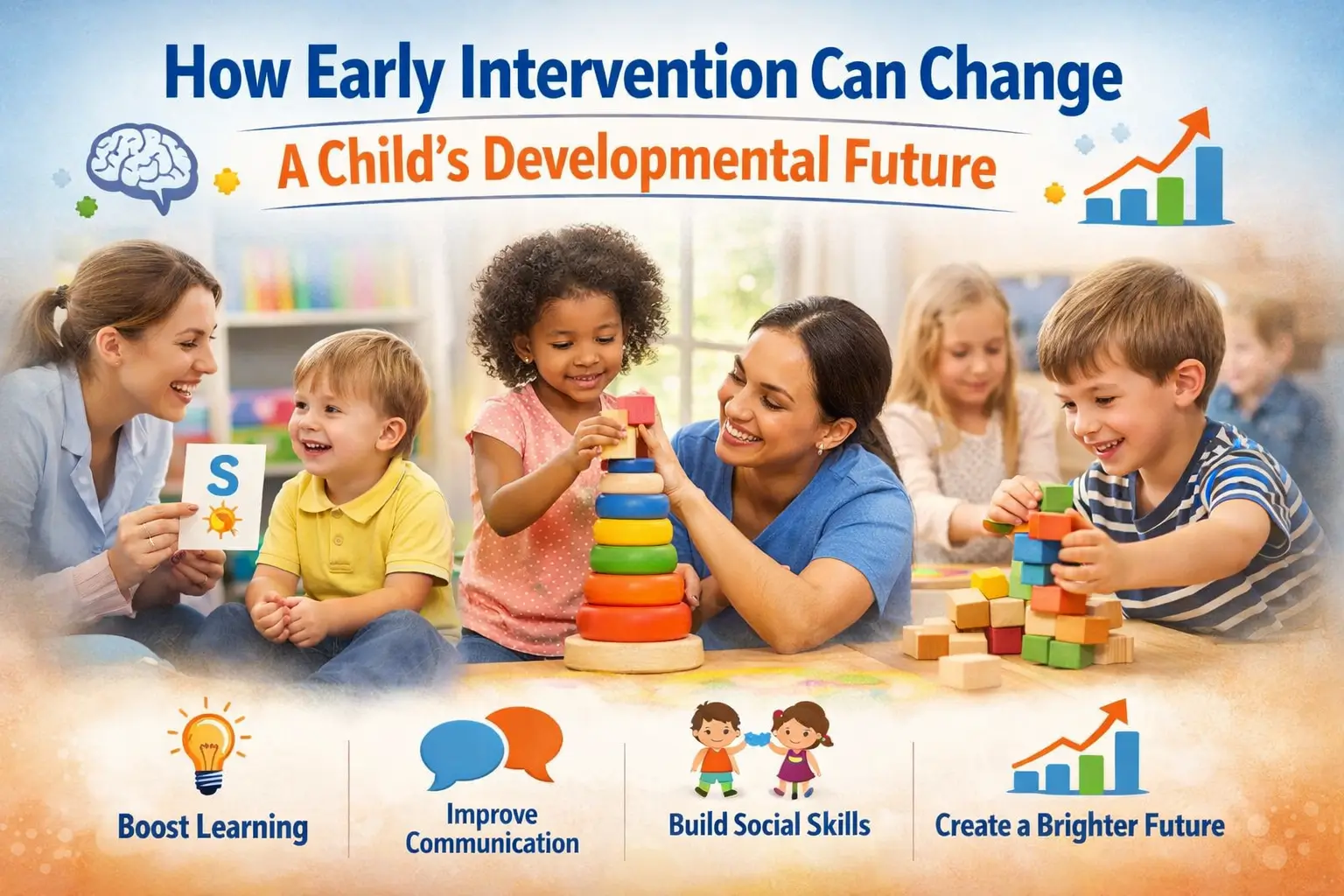
How Early Intervention Can Change a Child’s Developmental Future
Introduction: Why Early Intervention Matters in Child Development
Every child develops at their own pace, but sometimes delays in speech, motor skills, behavior, or social interaction appear earlier than expected. When parents notice these signs, taking action quickly can make a significant difference. This is where early intervention in child development plays a vital role.
Early intervention refers to structured support and therapies provided during the early years of life, typically from birth to five years old. During this stage, the brain develops rapidly, making it the most powerful period for learning and change. Therefore, timely support can improve long-term outcomes and help children build strong cognitive, emotional, and social foundations.
Because many parents search for practical solutions rather than medical jargon, understanding how early support works can help families make confident and informed decisions.
What Is Early Intervention in Child Development?
Early intervention is a specialized approach designed to help children who show developmental delays or are at risk of developmental challenges. These services may include:
-
Speech and language therapy
-
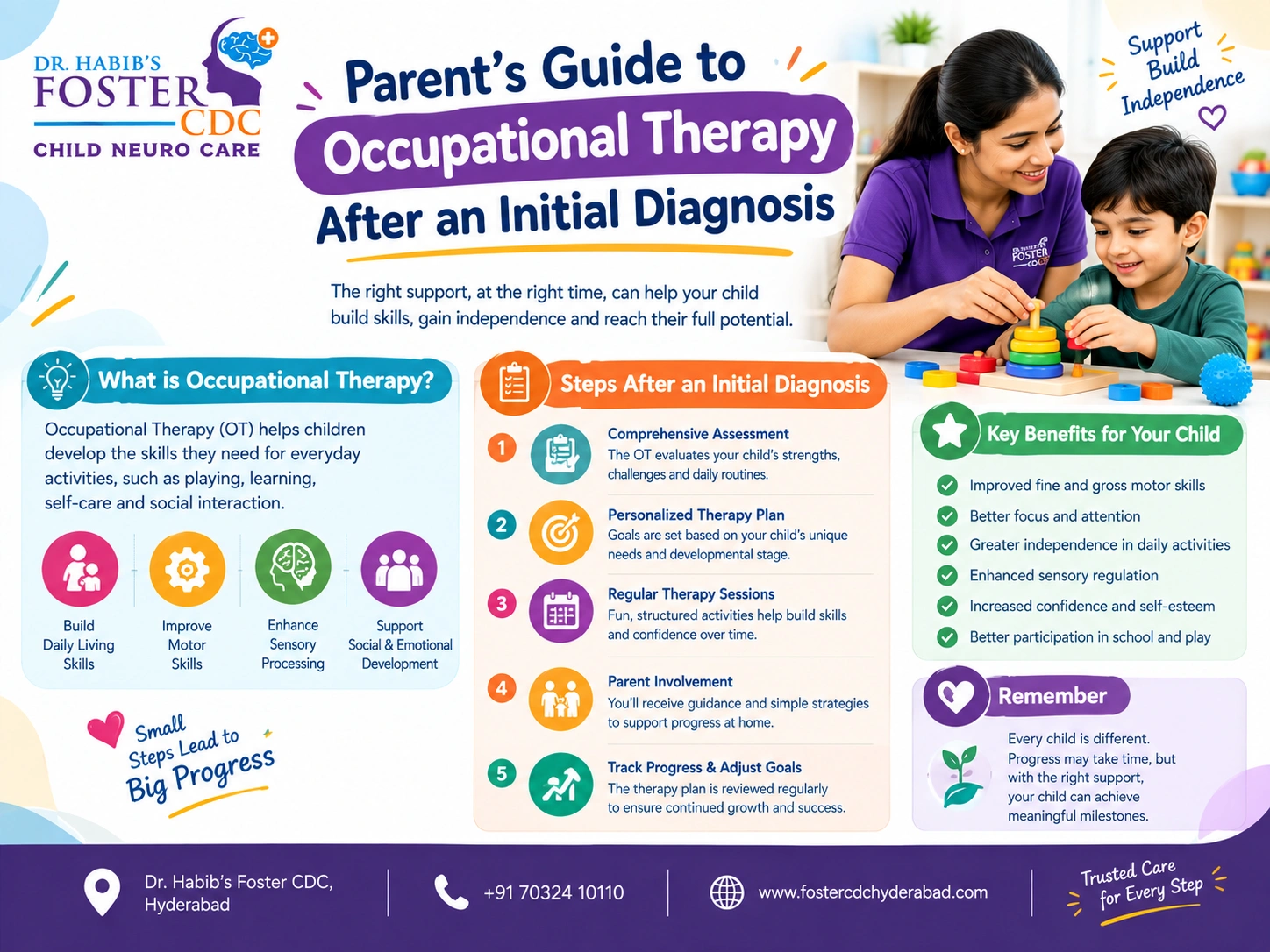
Occupational therapy
-
Physical therapy
-
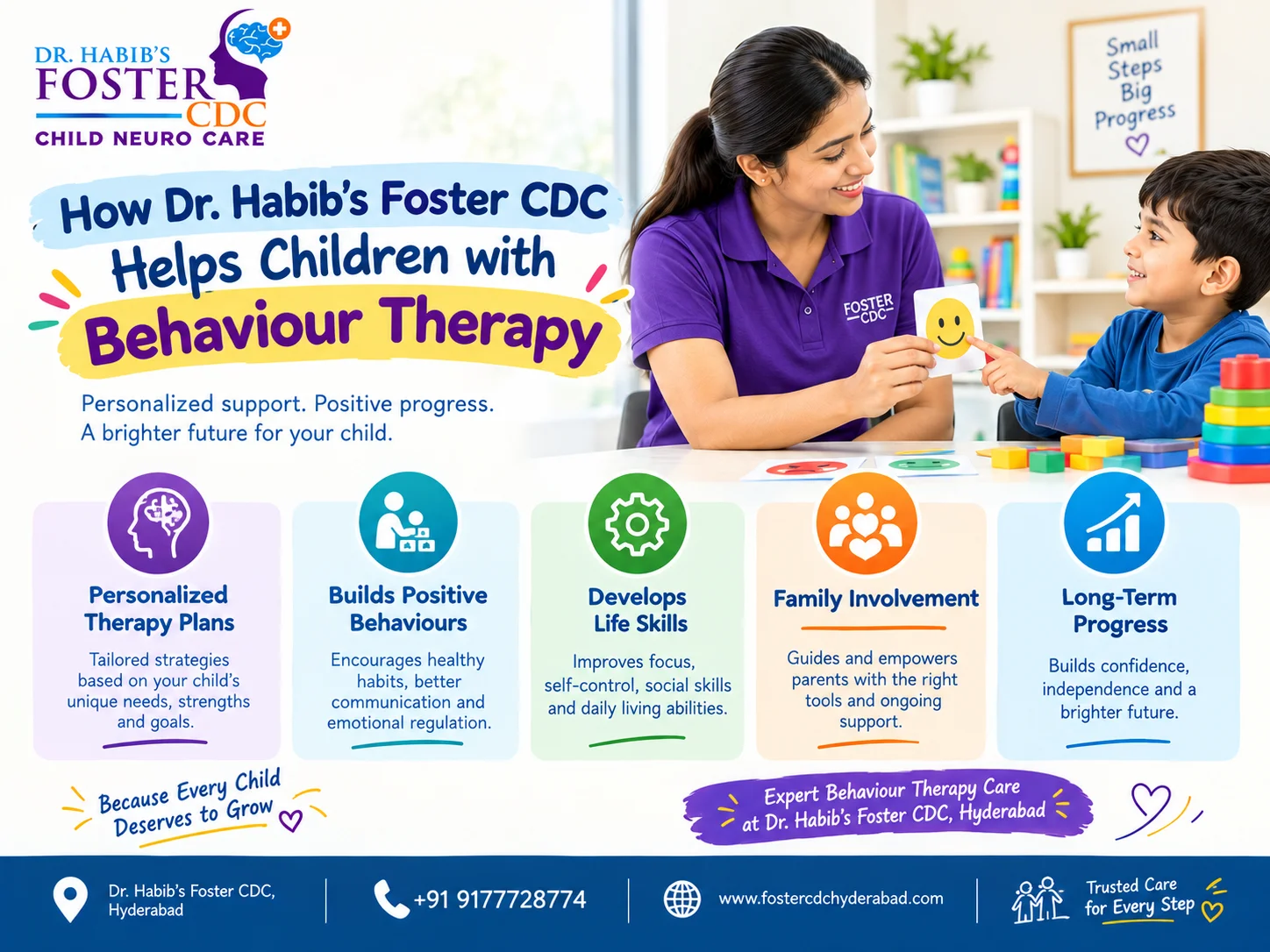
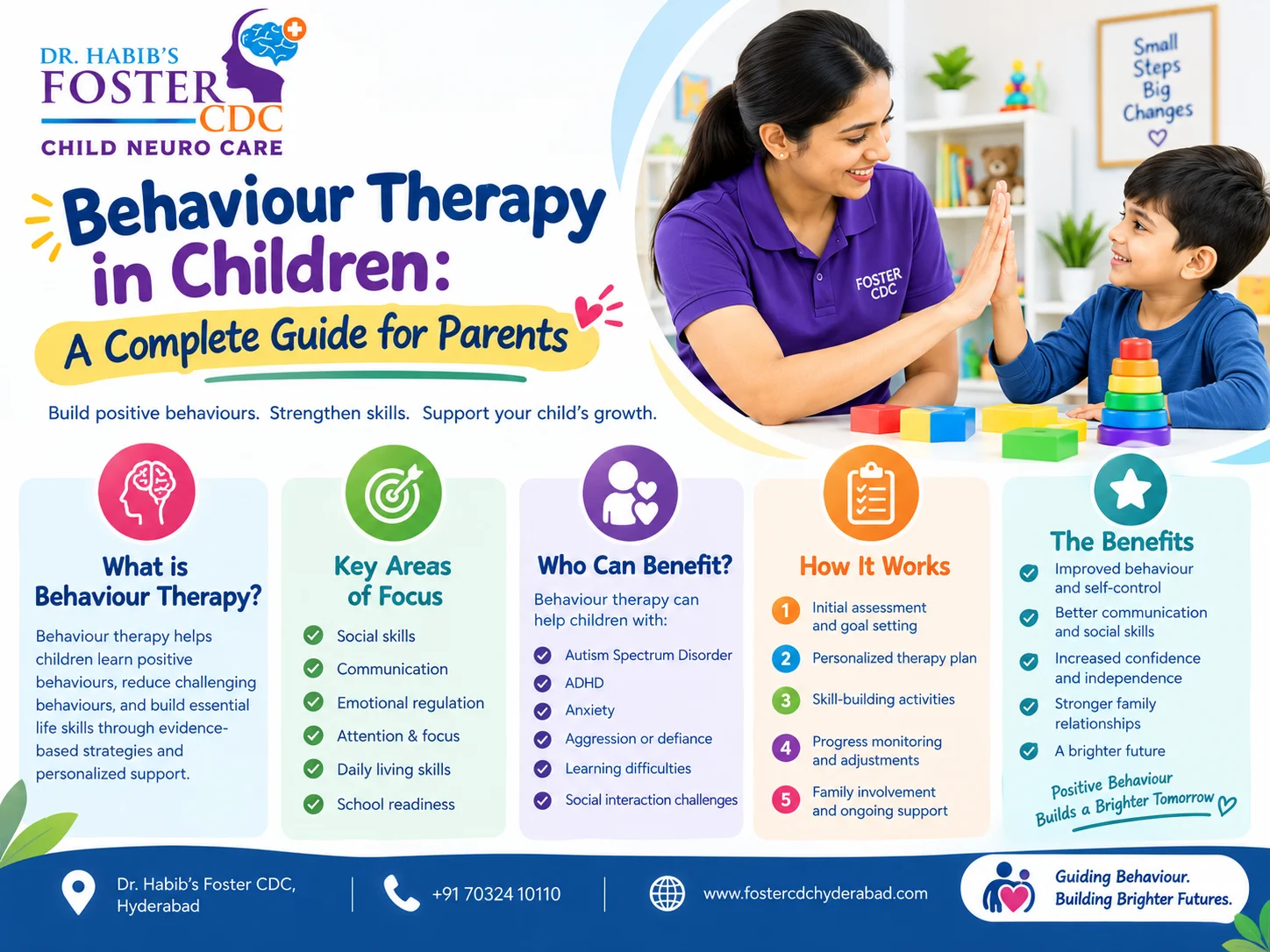
Behavioral support
-
Special education programs
-
Parent training and guidance
Instead of waiting for challenges to grow, early intervention focuses on identifying difficulties early and providing targeted support. Consequently, children gain skills that help them succeed at home, in school, and in social environments.
Parents often search for terms like "early intervention programs for developmental delays," "child development support services," or "therapy for developmental milestones," making these natural long-tail keywords valuable for SEO relevance.
Why Early Intervention Works: The Science Behind It
The first few years of life are crucial because a child’s brain forms millions of neural connections every second. As a result, children learn faster during this stage compared to later years.
When a child receives therapy or developmental support early:
-
Brain pathways strengthen more effectively
-
Learning habits develop sooner
-
Behavioral patterns become easier to guide
-
Communication and social skills improve faster
Research consistently shows that children who receive early intervention often require less intensive support later in life. Therefore, parents who act early give their children a greater chance to reach developmental milestones successfully.
Signs a Child May Benefit from Early Intervention
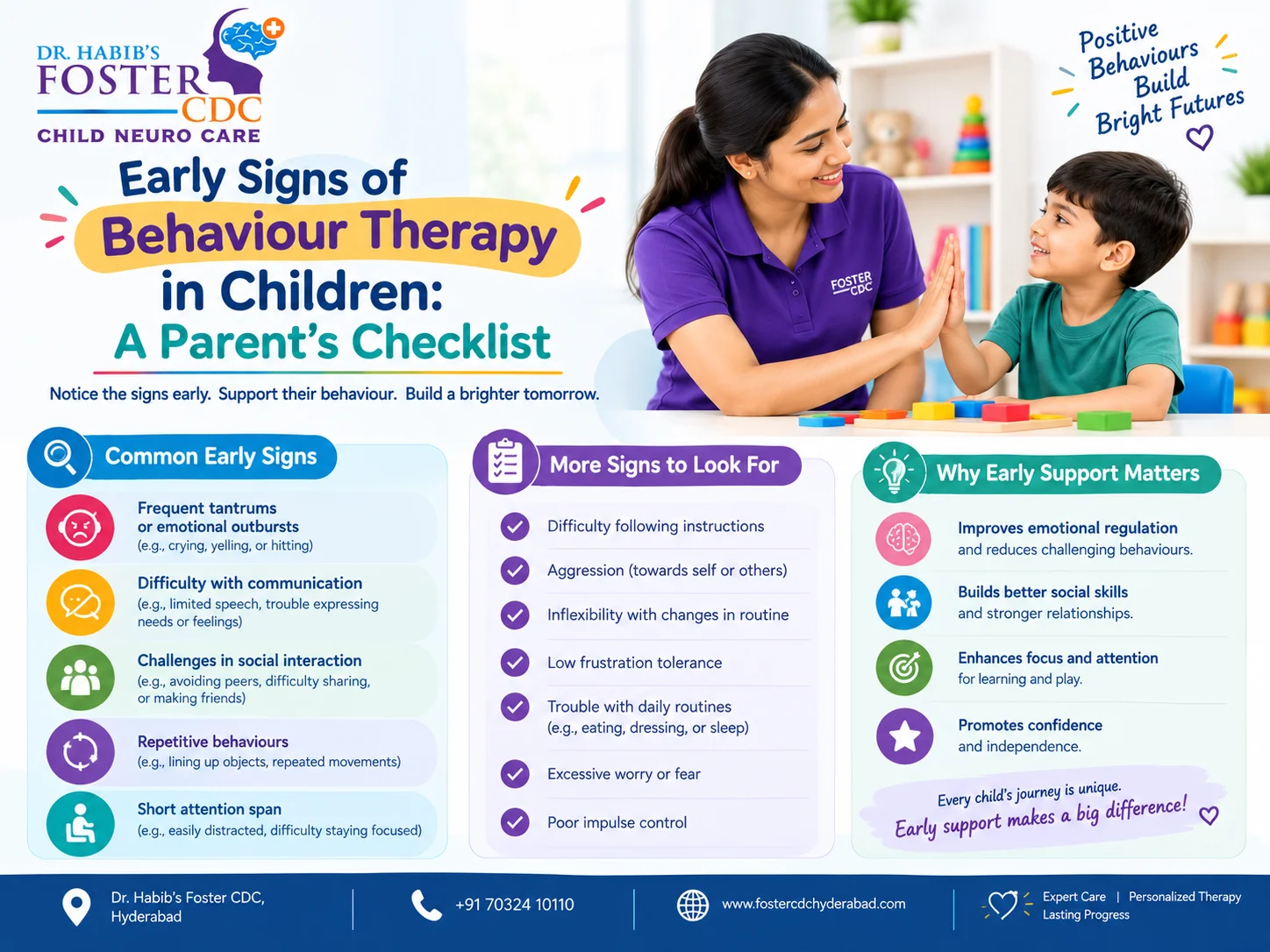
Many parents wonder when to seek help. While every child is unique, some common signs include:
Speech and Language Delays
-
Limited words for their age
-
Difficulty understanding instructions
-
Trouble expressing needs clearly
Motor Skill Challenges
-
Delayed crawling or walking
-
Poor coordination or balance
-
Difficulty holding objects
Social and Behavioral Concerns
-
Limited eye contact
-
Difficulty interacting with others
-
Repetitive behaviors or extreme emotional reactions
If these signs continue over time, consulting a developmental professional can help clarify whether early support is needed.
Benefits of Early Intervention for Long-Term Development
Early intervention does more than improve short-term skills. It creates long-lasting change that influences a child’s entire future.
1. Improved Learning Ability
Children develop stronger attention, memory, and problem-solving skills, which support academic success later.
2. Better Communication Skills
Speech and language therapy helps children express emotions and ideas, reducing frustration and behavioral issues.
3. Increased Confidence and Independence
When children learn skills early, they become more confident participating in everyday activities.
4. Stronger Social Development
Early support encourages peer interaction, emotional regulation, and healthy relationships.
5. Reduced Need for Intensive Support Later
Timely intervention often minimizes the need for extensive therapies as children grow older.
How Parents Can Support Early Development at Home
Professional therapy is important, but parents also play a key role in supporting development. Simple everyday activities can strengthen learning:
-
Talk and read to your child daily
-
Encourage play-based learning
-
Maintain consistent routines
-
Praise small achievements
-
Provide sensory and movement activities
Because parents spend the most time with their children, consistent engagement can accelerate progress significantly.
When Should Parents Seek Professional Help?
Many families hesitate because they think children will “grow out of it.” While some delays resolve naturally, waiting too long can reduce opportunities for early progress.
Consider speaking with a specialist if:
-
Milestones are significantly delayed
-
Teachers or caregivers express concerns
-
Communication or behavior challenges persist
-
You feel uncertain about developmental progress
Remember, early assessment does not label a child—it simply provides clarity and support.
How Early Intervention Changes a Child’s Future
Children who receive developmental support early often experience:
-
Better school readiness
-
Higher social confidence
-
Stronger emotional regulation
-
Improved independence as adults
Most importantly, early intervention helps families feel empowered rather than anxious. Instead of focusing on limitations, parents and professionals work together toward progress and growth.
Frequently Asked Questions (FAQs)
1. What age is best for early intervention?
The earlier, the better. Support between birth and five years is considered most effective because brain development is highly active during this period.
2. Does early intervention mean something is wrong with my child?
No. It simply provides additional support to help children reach their full potential.
3. How long does early intervention take?
The duration varies depending on the child’s needs. Some children improve within months, while others benefit from longer support.
4. Can parents do early intervention at home?
Yes, many strategies can be practiced at home alongside professional guidance.
5. Is early intervention only for autism?
No. It supports many developmental areas, including speech delays, motor issues, learning challenges, and behavioral concerns.
Conclusion
Early intervention is not about labeling children—it is about unlocking their potential at the right time. By recognizing developmental challenges early and taking proactive steps, parents can positively influence their child’s lifelong learning, confidence, and independence.
When families, therapists, and educators work together from the beginning, children gain the skills they need to build a brighter developmental future.
Other Blogs

Services
- Behavioural Therapy
- Speech Therapy
- Special Education
- Parent Training
- Psychotherapy & Counselling
- Yoga Therapy
- Postural & Mobility Therapy
- Early Intervention Services
- Cognitive Behavioural Therapy
- Occupational Therapy
- Group Teaching
- Teachers' Training
- Certified Courses
- Developmental Therapy
- Autism Therapy