The Best Therapies to Treat Dyslexia in Children
The best way to help child with dyslexia – early intervention can help!
Dyslexia
is one of the most common learning disorders, affecting approximately 5–10% of
the population. Characterized by difficulties in reading, writing, spelling,
and sometimes speaking, dyslexia is not a reflection of intelligence or
motivation—it is a neurobiological condition that requires tailored support and
evidence-based interventions. Fortunately, with early diagnosis and the right
therapies, children with dyslexia can thrive academically and socially.
In
this blog, we will explore the most effective therapies to treat dyslexia in
children, aiming to empower parents, teachers, and caregivers with the
right tools and knowledge.
Understanding Dyslexia: A Quick Overview
Before
diving into the therapies, it's important to understand that dyslexia:
- Is a lifelong
condition
- Affects the brain’s
ability to process phonological information (i.e., sounds of language)
- May co-exist with
other conditions like ADHD, dysgraphia, or dyscalculia
- Can vary from mild
to severe
The
earlier it’s identified, the better the outcomes through intervention.
The
best way to help child with dyslexia is:
1. Structured Literacy Programs
Structured
Literacy is the gold standard in dyslexia intervention. These programs are explicit,
systematic, and multisensory, teaching children how to decode and
encode language step-by-step.
Examples
- Orton-Gillingham
Approach
One of the oldest and most trusted methods, it uses visual, auditory, and kinesthetic cues to teach letter-sound relationships. - Wilson
Reading System
Derived from Orton-Gillingham, it's ideal for students with significant reading struggles. - Barton
Reading & Spelling System
Parent-friendly and designed for home or school environments. - SPIRE (Specialized
Program Individualizing Reading Excellence)
Combines phonological awareness, phonics, fluency, vocabulary, and comprehension.
Why It Works
These
programs break language down into manageable parts and build mastery through
repetition and multisensory learning, which is essential for dyslexic learners.
2. Multisensory Instruction
Children
with dyslexia benefit enormously from multisensory learning, where more
than one sense is used to grasp concepts, like writing a word in sand while
saying it aloud.
Techniques
- Tracing letters in
the air
- Using colored tiles
for spelling
- Singing rhymes that
emphasize phonics
- Using apps that
blend audio and visual cues
Benefits
Multisensory
methods reinforce memory, support pattern recognition, and improve focus,
enhancing both retention and recall.
3. Assistive Technology
Technology
has become a game-changer in supporting dyslexic students.
Top Tools
- Text-to-Speech
Software (e.g., Natural Reader)
- Speech-to-Text Tools
(e.g., Google Voice Typing)
- Audiobooks and
E-books
- Phonics and Reading
Apps
How It Helps
These
tools reduce the reading load, enhance independence, and help students focus on
content rather than decoding errors.
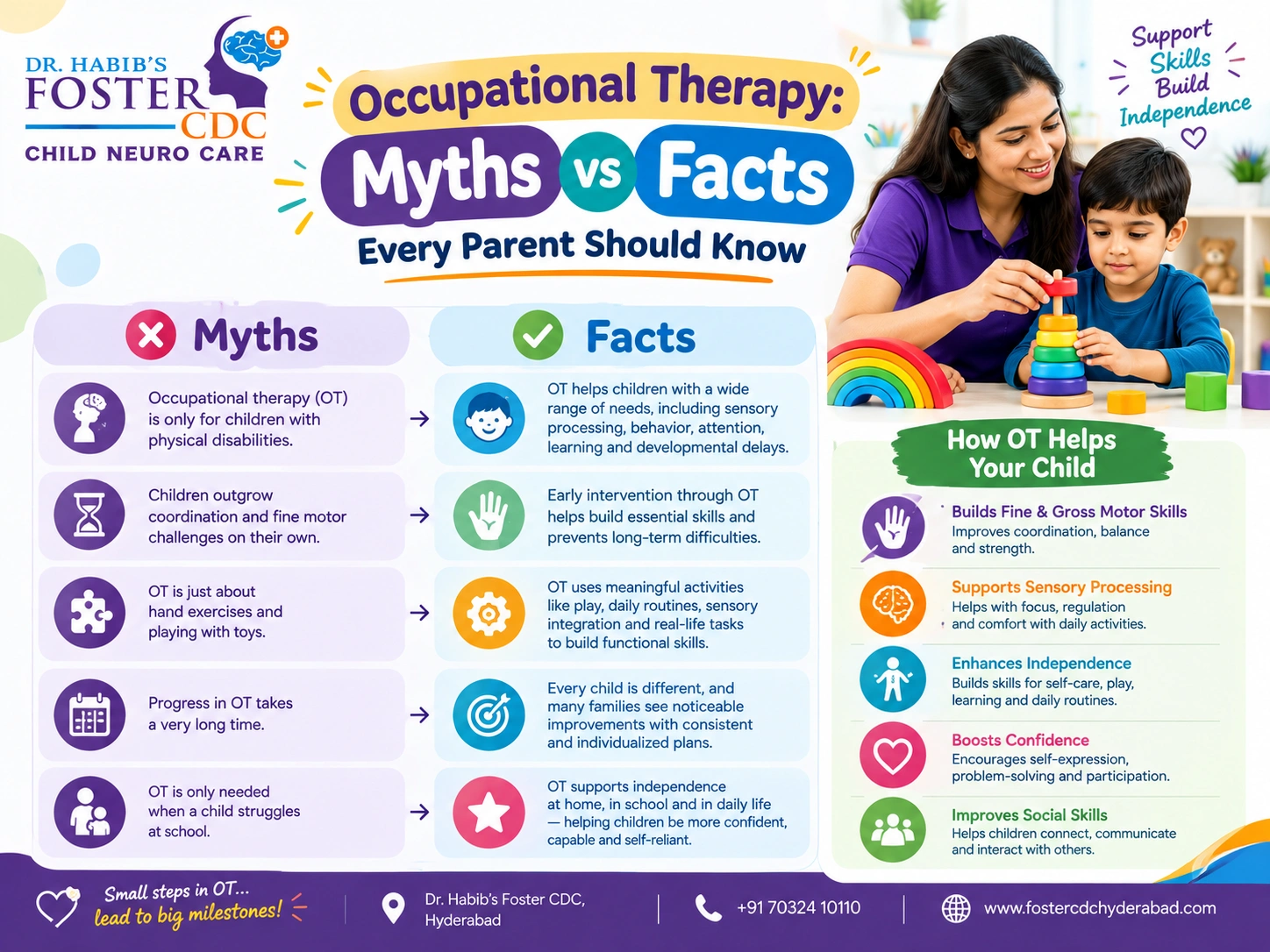
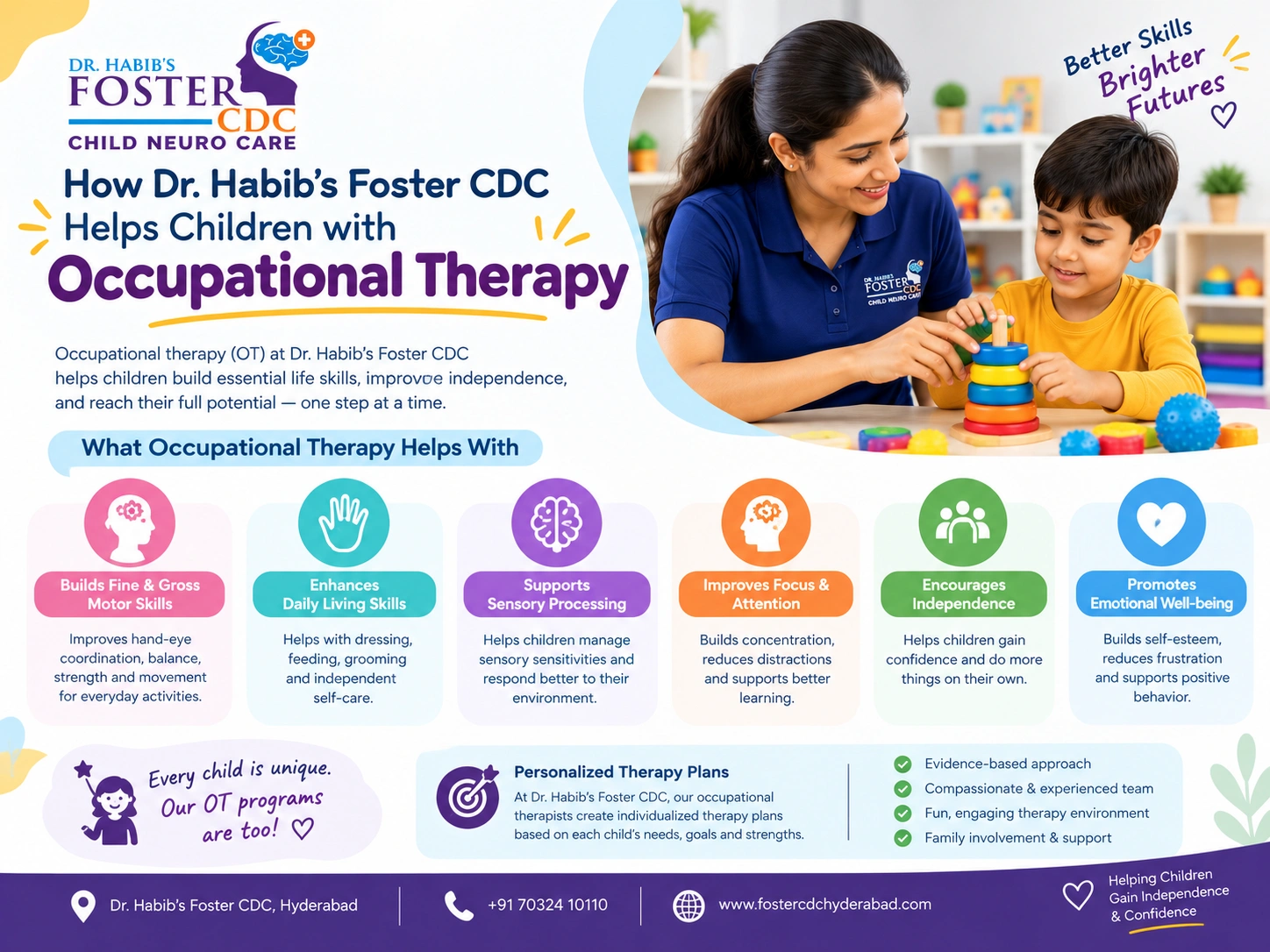
4. Occupational Therapy
While
not always directly linked to reading, occupational therapy helps children:
- Develop fine motor
skills (important for writing)
- Improve visual-motor
coordination
- Build posture and
hand strength
- Manage sensory
integration issues
For some children with dyslexia who also struggle with handwriting or organization, this therapy is a powerful complement.
5. Speech and Language Therapy
This
therapy is particularly helpful for children whose dyslexia is accompanied by:
- Delayed language
development
- Poor phonological
awareness
- Trouble with
sequencing or articulation
Focus Areas
- Phonemic awareness
- Vocabulary building
- Language
comprehension
- Word retrieval
A speech-language pathologist can customize exercises that improve sound manipulation skills and language processing.
6. Cognitive Behavioral Therapy (CBT)
Children
with dyslexia often struggle with self-esteem, frustration, and anxiety due to
repeated academic challenges.
CBT
Helps
- Manage stress and
emotional outbursts
- Build confidence and
self-worth
- Develop
problem-solving and coping strategies
While CBT doesn't address dyslexia directly, it improves a child's ability to engage with their learning more positively.
7. Educational Therapy
Educational
therapy blends academic instruction with emotional support. It helps children:
- Develop executive
functioning skills (planning, organizing)
- Build resilience
- Work through
learning blocks with tailored strategies
Educational
therapists design customized learning plans while also addressing the emotional
impact of dyslexia.
8. Parental and Teacher Involvement
While
therapy is essential, consistent support at home and school is equally
important.
Tips
- Read aloud to your
child daily
- Use simplified texts
with visual support
- Celebrate small wins
to boost morale
- Maintain open
communication with educators
- Join support groups or advocacy organizations (e.g., International Dyslexia Association)
Conclusion: Early, Consistent, and Compassionate Support is Key
Dyslexia
doesn’t disappear with age, but it can be successfully managed. The best
therapies for treating dyslexia in children are not one-size-fits-all. Each
child is unique and may respond differently to various interventions. A
combination of structured literacy programs, multisensory approaches,
assistive technology, and emotional support often delivers the
best outcomes.
Other Blogs
Services
- Behavioural Therapy
- Speech Therapy
- Special Education
- Parent Training
- Psychotherapy & Counselling
- Yoga Therapy
- Postural & Mobility Therapy
- Early Intervention Services
- Cognitive Behavioural Therapy
- Occupational Therapy
- Group Teaching
- Teachers' Training
- Certified Courses
- Developmental Therapy
- Autism Therapy