Cognitive Behavioural Therapy for Children for Brighter Future
Cognitive Behavioural Therapy for Children for Brighter Future
Cognitive
Behavioural Therapy (CBT) for children is a highly effective therapeutic
approach for addressing a range of mental health issues, and it has proven to
be particularly beneficial for children. Let us first try to understand the
fundamentals of CBT, its application in children, and the positive impact it
can have on their mental and emotional well-being.
Understanding Cognitive Behavioural Therapy
CBT
is a structured, time-limited form of psychotherapy that aims to identify and
challenge unhelpful thought patterns and behaviors, replacing them with more
constructive ones. Cognitive behavioral therapy is based on the idea that our
thoughts, feelings, and behaviors are interconnected and that changing negative
thought patterns can lead to changes in feelings and behaviors.
Why CBT for Children?
Children,
like adults, can experience a range of psychological challenges, including
anxiety, depression, ADHD, and behavioral issues. CBT is particularly suited
for children because it is practical, skills-based, and focused on the present.
It equips them with tools to manage their emotions, cope with stress, and
improve their overall functioning.
Key Components of CBT for Children
1.
Psychoeducation: This involves teaching children about their thoughts,
feelings, and behaviors, helping them understand the connection between these
elements. For example, a child might learn that their fear of the dark is due
to thoughts of monsters, not because darkness is inherently dangerous.
2.
Cognitive Restructuring: This technique helps
children identify and challenge negative or irrational thoughts. Therapists
work with children to replace these thoughts with more positive and realistic
ones. For instance, changing "I’m terrible at math" to "Math is
challenging, but I can improve with practice."
3.
Behavioral Interventions: These strategies aim to
modify maladaptive behaviors. Techniques such as exposure therapy (gradually
facing fears in a controlled manner) and activity scheduling (planning
enjoyable and rewarding activities) are commonly used.
4.
Skills Training: Children learn practical skills such
as problem-solving, relaxation techniques, and social skills. These skills help
them manage stress, interact positively with peers, and build resilience.
The Process of CBT with Children
CBT
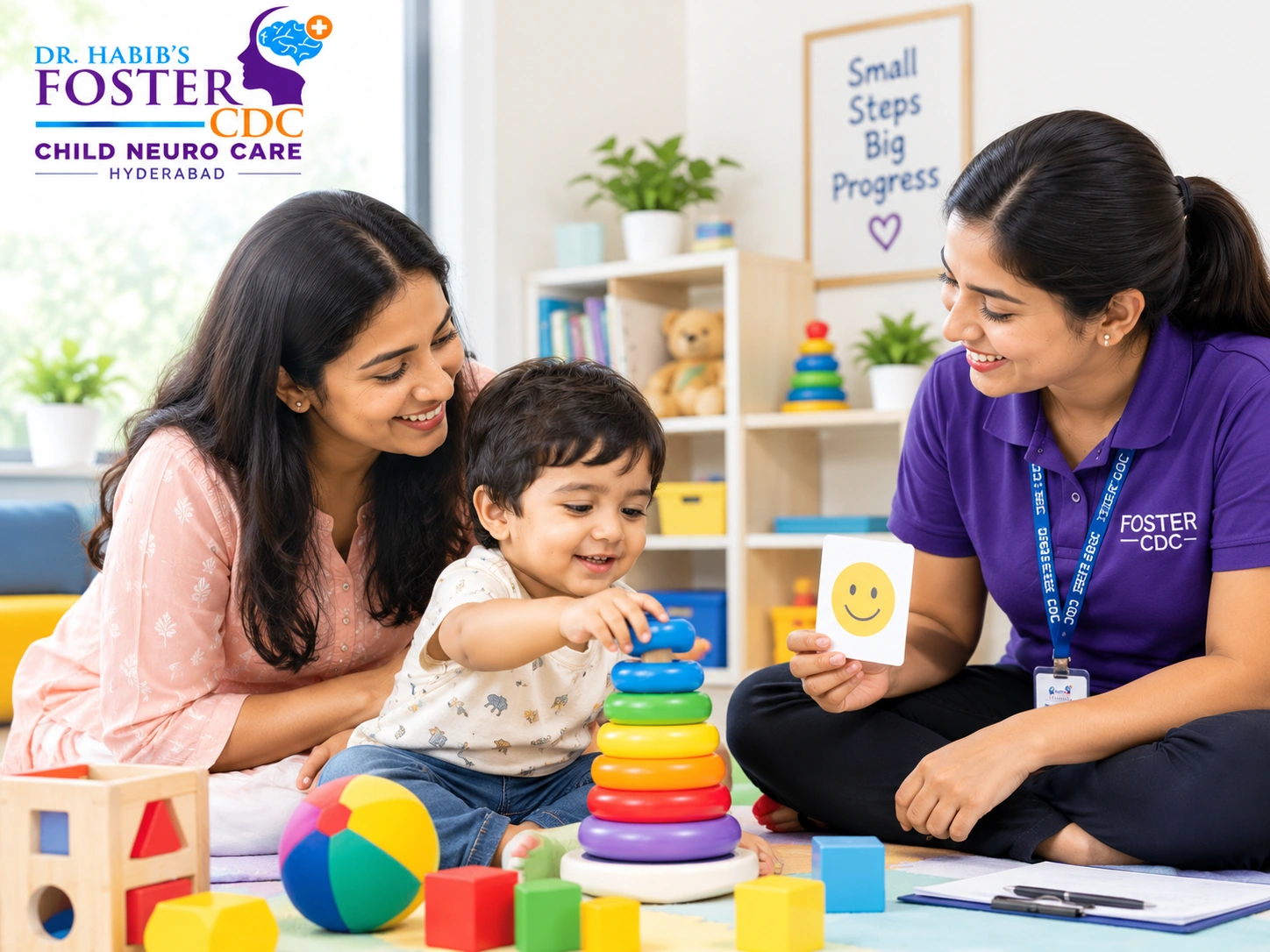
for children typically involves a collaborative approach between the therapist,
the child, and often the parents or caregivers. Sessions are tailored to the
child’s developmental level and may incorporate play, art, and other engaging
activities to make therapy more accessible and enjoyable.
Benefits of CBT for Children
1.
Improved Emotional Regulation: Children learn to
recognize and manage their emotions, leading to reduced symptoms of anxiety and
depression.
2.
Enhanced Problem-Solving Skills: CBT equips
children with tools to approach challenges constructively, fostering a sense of
competence and confidence.
3.
Better Academic and Social Functioning:
By addressing negative thought patterns and behaviors, children often
experience improvements in their school performance and peer relationships.
4.
Long-Term Resilience: The skills learned in
CBT can have lasting effects, helping children navigate future challenges and
stressors more effectively.
Advantages of CBT Cognitive behavioral therapy (CBT)
CBT
is effective in treating some mental health problems, but it may not be
successful or appropriate for every child. Some of the advantages of CBT are: that
it can be delivered in a relatively short time compared to other talking
therapies. The highly structured nature of CBT means that it can be delivered
in a variety of formats, including groups, self-help books, and online teaching
useful and practical strategies that can be used in everyday life. Even after
treatment ends it focuses on a child's ability to change themselves (their
thoughts, feelings, and behavior) it can be just as effective as a remedy for
the treatment of certain mental problems and can be useful in cases where
medicine alone has not worked.
How effective is CBT for children?
CBT
is an evidence-based practice that is effective for a variety of problems.
Meta-analyses show that up to 60 percent of youth treated with CBT for anxiety
disorders experience significant improvement and reduction in symptoms after
treatment. Follow-up studies of children treated in community mental health
clinics show that rates of improvement are likely to last 4 years after
treatment. Studies show that many youths with ADHD who have received CBT have
experienced significant reductions in symptom severity. Children with post-traumatic
stress disorder (PTSD) who receive individual trauma-focused CBT can experience
significant improvements in PTSD, depression, and anxiety symptoms.
Conclusion
Cognitive
Behavioural Therapy offers a powerful toolkit for helping children overcome
mental health challenges and build a foundation for a healthier, happier
future. By addressing the root causes of negative thought patterns and
behaviors, CBT empowers children to take control of their emotional well-being
and thrive in all areas of their lives.
If
you believe that your child could benefit from CBT, consider reaching out to Dr.
Habib’s Foster CDC where our experts specialize in this approach. At Foster
CDC, we ensure that with the right support and care, every child has the
potential to flourish and achieve their full potential.
Other Blogs
Services
- Behavioural Therapy
- Speech Therapy
- Special Education
- Parent Training
- Psychotherapy & Counselling
- Yoga Therapy
- Postural & Mobility Therapy
- Early Intervention Services
- Cognitive Behavioural Therapy
- Occupational Therapy
- Group Teaching
- Teachers' Training
- Certified Courses
- Developmental Therapy
- Autism Therapy