Cognitive Disabilities in Children: What Parents Must Know
Raising
a child is a beautiful journey filled with learning, discovery, and growth.
However, for some parents, this path may come with unique challenges, especially
when a child shows signs of cognitive disability. Understanding what
cognitive disabilities are, how to recognize them early, and what steps to take
can make a crucial difference in the child's development and quality of life.
This
guide is designed to help parents recognize, understand, and support
children with cognitive disabilities in an informed and compassionate way.
What Are Cognitive Disabilities in Children?
Cognitive
disabilities, also known as intellectual disabilities, affect a child’s
ability to learn, reason, remember, concentrate, and solve problems. These are
lifelong conditions that can vary in severity from mild to profound, impacting
the child’s academic performance, communication, and social skills.
Cognitive
disabilities are neurologically based, meaning they stem from
differences or damage in brain development or functioning.
Common Types of Cognitive Disabilities in Children
1. Down
Syndrome – Caused by a chromosomal abnormality
(trisomy 21), leading to intellectual impairment and developmental delays.
2. Autism
Spectrum Disorder (ASD) – A complex
developmental disorder affecting communication, behavior, and learning.
3. Attention-Deficit/Hyperactivity
Disorder (ADHD) – A condition marked by inattention,
hyperactivity, and impulsivity, which can affect learning.
4. Fragile
X Syndrome – A genetic disorder that causes
developmental problems including intellectual disabilities.
5. Learning
Disabilities – Conditions like dyslexia (reading
difficulty), dyscalculia (math difficulty), or dysgraphia (writing difficulty).
Early Signs Parents Should Watch For
Recognizing
signs early allows for timely intervention. Here are some indicators that may
suggest a cognitive disability:
In Infancy:
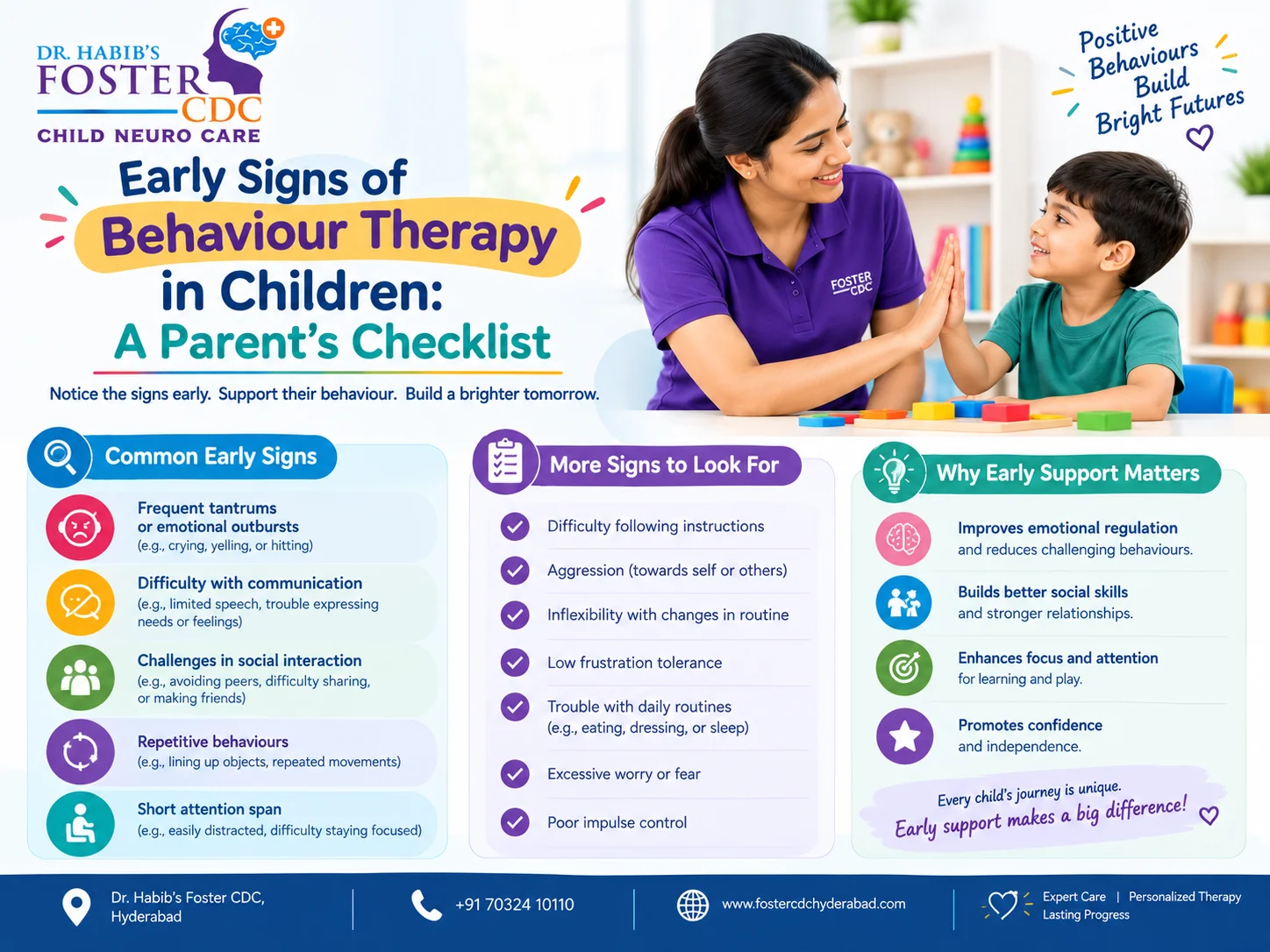
- Delayed milestones
(e.g., sitting, crawling, walking)
- Poor muscle tone or
coordination
- Limited babbling or
speech
- Difficulty with eye
contact or responsiveness
In Toddlers and Young Children:
- Difficulty
understanding instructions
- Trouble remembering
routines or information
- Speech delays or
difficulty forming sentences
- Challenges in
recognizing letters, numbers, or shapes
- Lack of interest in
playing with peers or toys in expected ways
In School-Aged Children:
- Struggles to keep up
with academic work
- Poor problem-solving
and critical thinking skills
- Easily distracted or
unable to focus
- Frustration with
tasks involving memory or logic
- Behavioral issues in
class or social situations
Diagnosis and Assessment
If
you notice consistent delays or behavioral differences, consult a pediatric
neurologist or developmental specialist. Diagnosis typically
involves:
- Developmental
screening (by pediatric neurologists)
- Psychological
testing
- Speech and language
assessments
- IQ tests and
educational evaluations
- Genetic testing (in
certain cases)
A
multidisciplinary approach involving psychologists, special educators,
speech therapists, and neurologists is often used.
What Parents Can Do: Practical Steps
1. Early Intervention Is Crucial
The
earlier the support begins, the better the outcomes. Government and private
programs offer therapy, special education, and training.
2. Work Closely with Schools
Develop
an Individualized Education Plan (IEP) to tailor learning strategies for
your child’s needs. Maintain regular communication with teachers.
3. Therapies and Support Services
Depending
on the diagnosis, your child may benefit from:
- Speech therapy
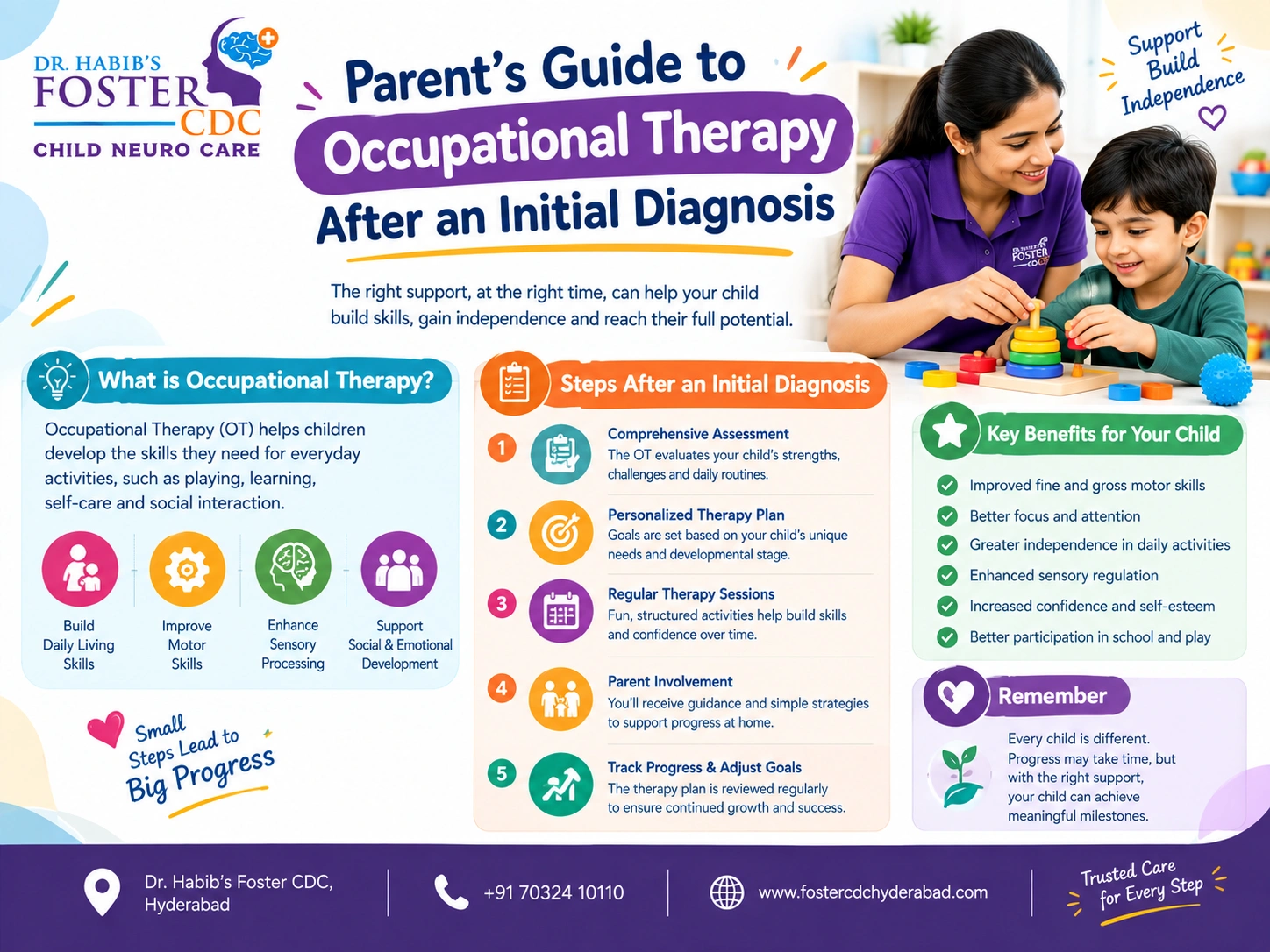
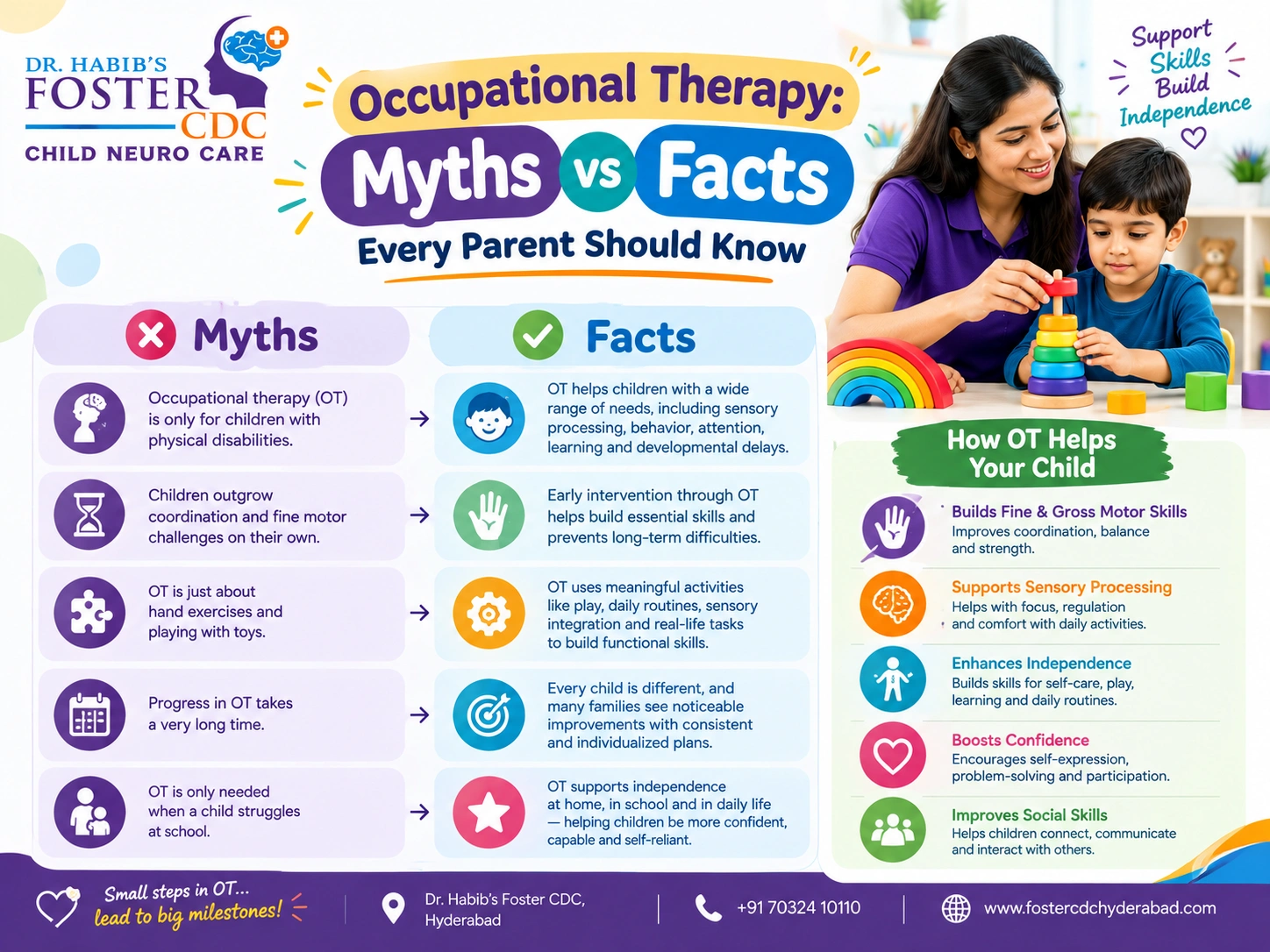
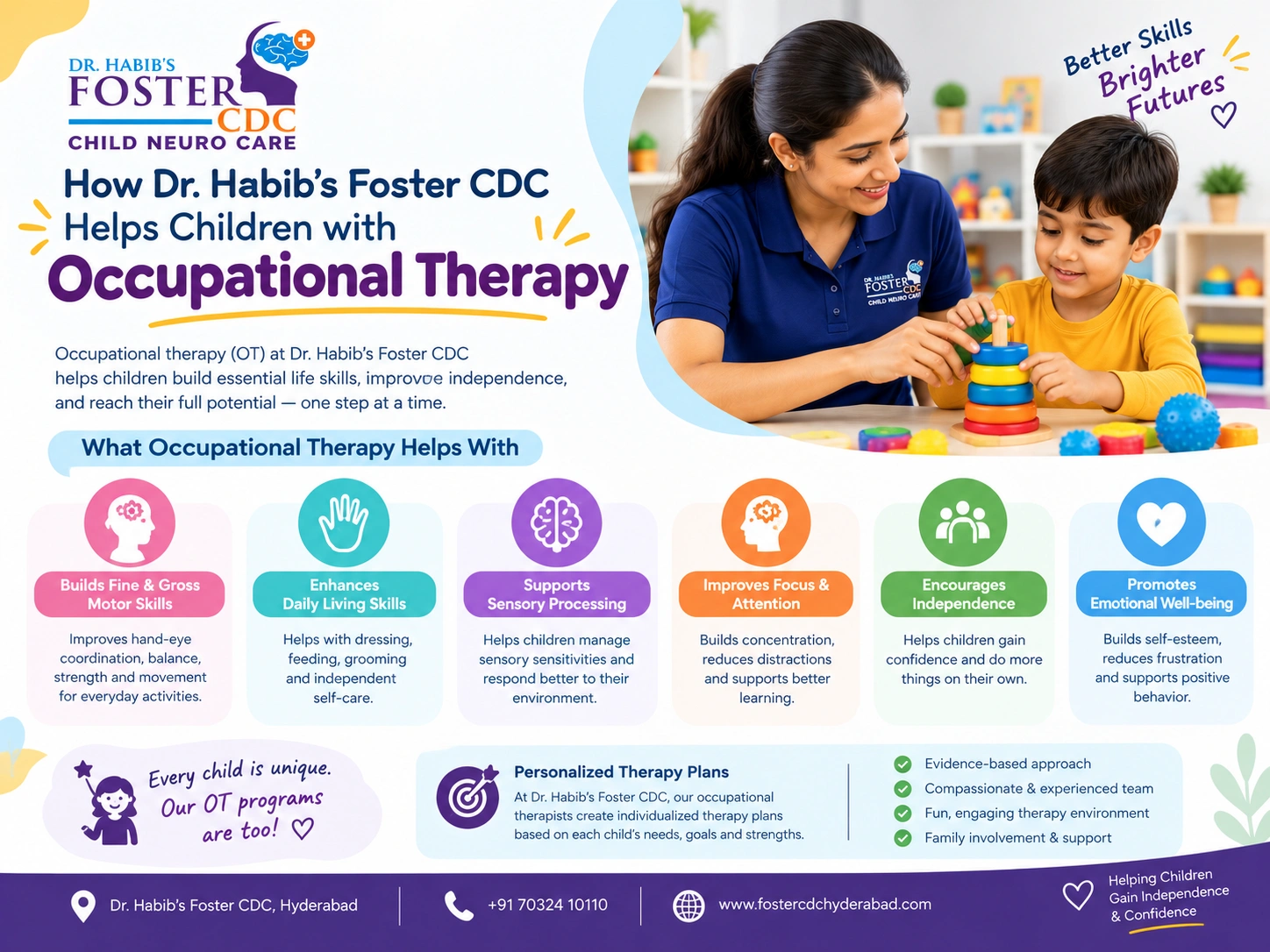
- Occupational therapy
- Behavioral therapy
- Special education
classes
4. Encourage Social Interaction
Facilitate
playdates, group activities, or inclusion programs to help your child build
social skills.
5. Build Emotional Support at Home
Your
child needs love, patience, and encouragement. Celebrate every small success
and avoid comparisons with other children.
6. Join Support Groups
Connecting
with other parents facing similar challenges can be emotionally helpful and
resourceful.
Common Myths about cognitive disabilities in children
Myth:
Children with cognitive disabilities can't learn.
Fact: They can learn and progress with the right support, though they
may learn differently or at a different pace.
Myth:
Bad parenting causes these conditions.
Fact: Cognitive disabilities are often due to genetic, prenatal, or
neurological factors, not parenting.
Myth:
These children can’t lead independent lives.
Fact: Many grow up to lead fulfilling, semi-independent, or fully
independent lives with the right guidance.
Conclusion: Your Support Makes All the Difference
Having
a child with a cognitive disability can be overwhelming, but you are not alone.
With early recognition, professional support, and unconditional love, your
child can grow, learn, and thrive in their unique way.
Remember:
Disability does not define your child—possibility does.
Other Blogs

Services
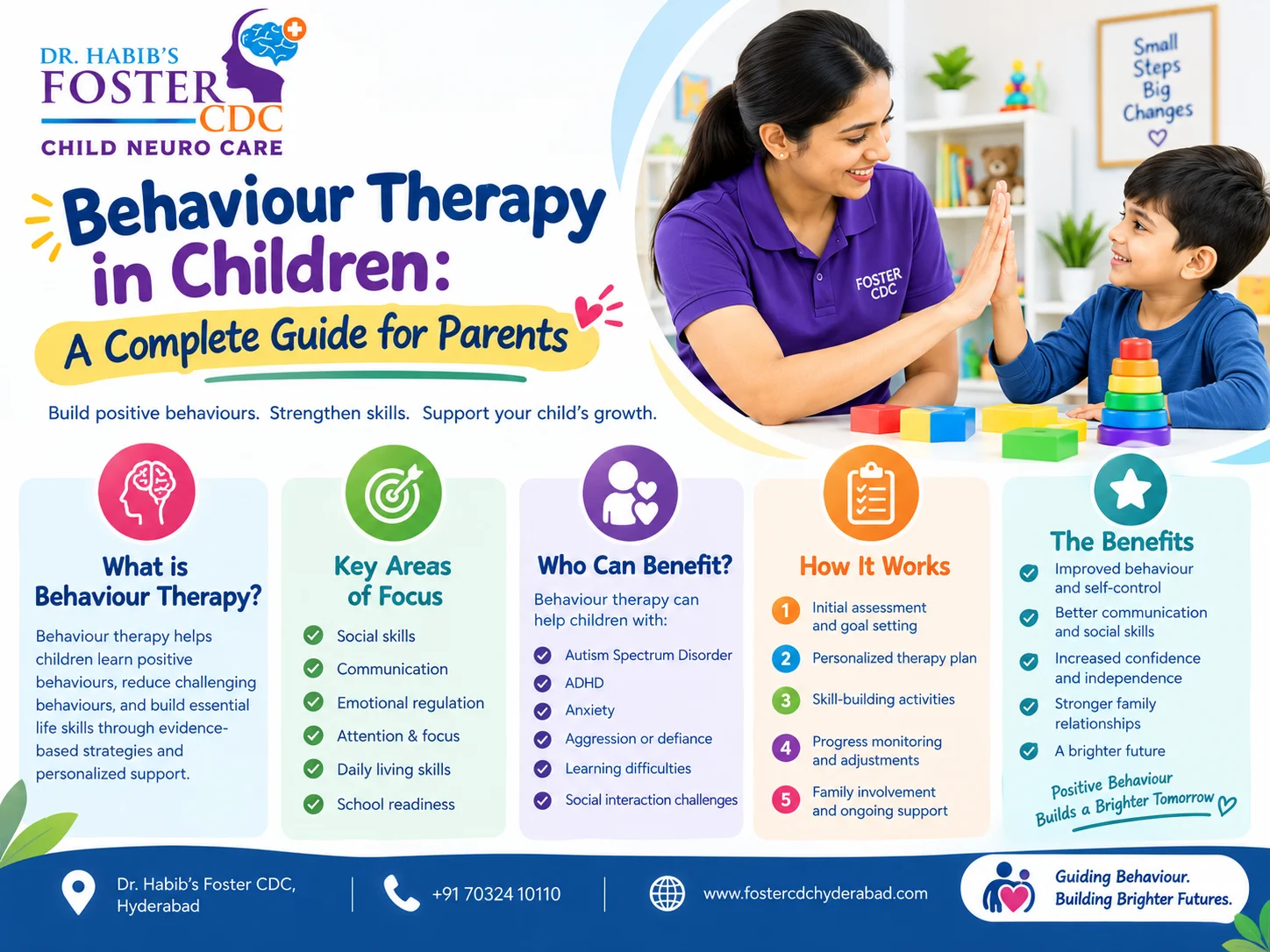
- Behavioural Therapy
- Speech Therapy
- Special Education
- Parent Training
- Psychotherapy & Counselling
- Yoga Therapy
- Postural & Mobility Therapy
- Early Intervention Services
- Cognitive Behavioural Therapy
- Occupational Therapy
- Group Teaching
- Teachers' Training
- Certified Courses
- Developmental Therapy
- Autism Therapy