Understanding the Importance of Behavioral Therapy for Children
Importance of behavioral therapy: Every
child is unique, and so are their behavioral patterns. However, some children
may face difficulties in managing their behaviors, emotions, or interactions
with others. In such cases, behavioral therapy emerges as a crucial tool for
understanding and addressing these challenges. Let us try to understand the
significance of behavioral therapy for children, exploring its benefits,
techniques, and impact on their overall well-being.
Understanding Behavioral Therapy
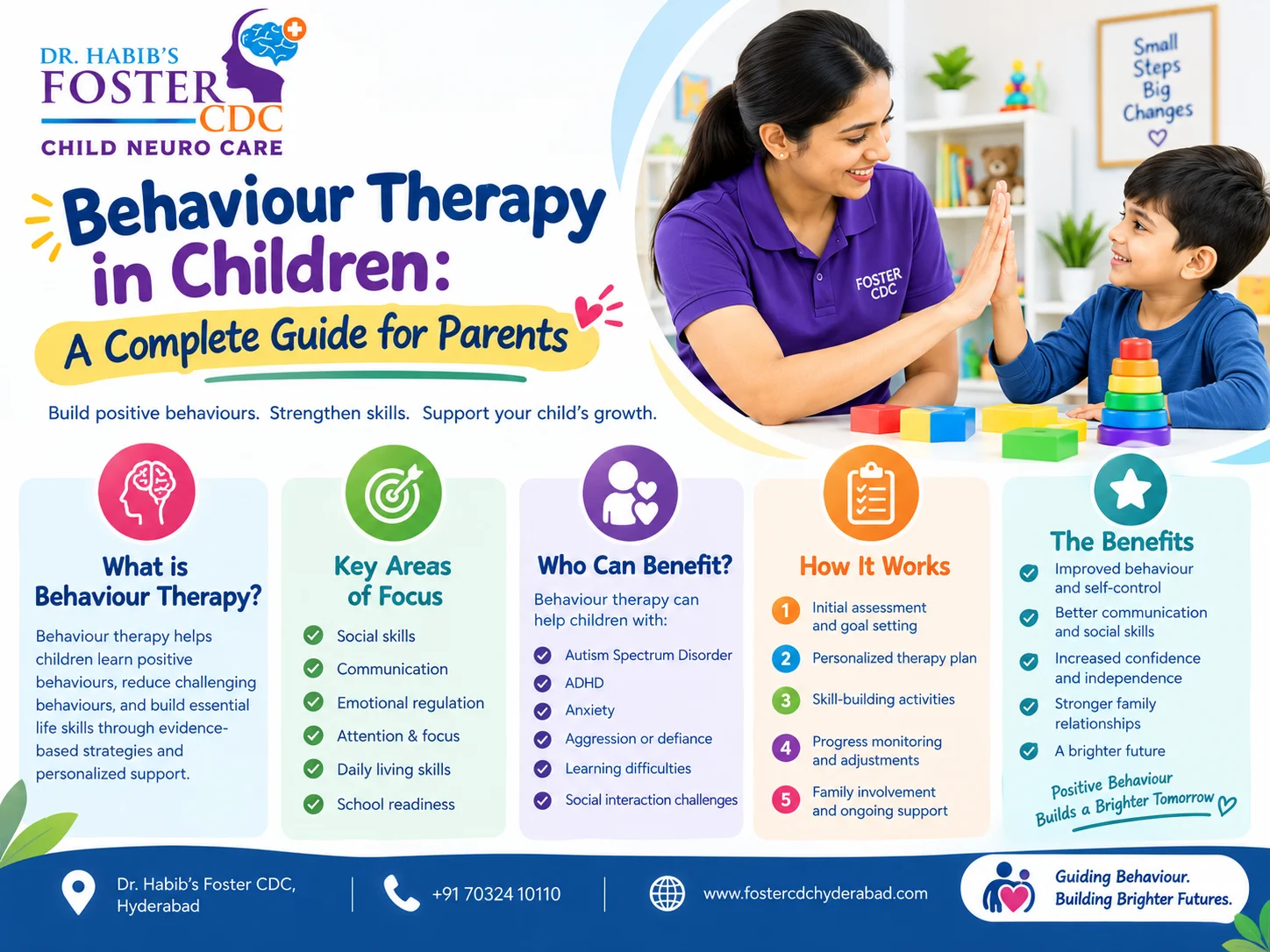
Behavioral therapy is a structured
approach aimed at helping children understand and change their behavior
patterns. It focuses on identifying problematic behaviors, understanding the
triggers behind them, and developing strategies to manage and modify these
behaviors effectively. Unlike traditional therapy, which may delve into past
experiences, behavioral therapy is primarily concerned with the present and
focuses on practical strategies for improvement.
Importance of Behavioral Therapy for Children
Targeted Intervention:
Behavioral therapy provides targeted intervention for specific behavioral
issues. Whether it's managing anger, improving social skills, or overcoming
anxiety, experienced therapists at Foster CDC tailor strategies to address the
child's unique needs.
Skill Development:
Through behavioral therapy, children learn crucial skills such as
problem-solving, emotion regulation, and effective communication. These skills
are not only essential for managing current challenges but also lay the
foundation for their future well-being.
Improving Relationships:
Many behavioral issues in children can strain relationships with family
members, peers, and teachers. By addressing these behaviors, therapy helps
improve social interactions and fosters healthier relationships.
Enhancing Academic Performance: Behavioral issues can often interfere with a child's ability to focus and learn in school. By teaching strategies to manage behaviors and emotions, therapy can positively impact academic performance and classroom behavior.
Boosting Self-Esteem:
Success in therapy can boost a child's self-esteem and confidence. As they
learn to overcome challenges and develop new skills, they gain a sense of
accomplishment and belief in their abilities.
Preventing Future Problems:
Addressing behavioral issues early can prevent them from escalating into more
significant problems later in life. By providing children with effective coping
mechanisms, therapy equips them to handle challenges as they grow older.
Techniques Used in Behavioral Therapy
Applied Behavior Analysis (ABA):
ABA focuses on understanding how behavior is influenced by the environment. It
involves breaking down complex behaviors into smaller components and using
reinforcement techniques to encourage desired behaviors.
Cognitive Behavioral Therapy (CBT):
CBT helps children identify and challenge negative thought patterns and beliefs
that contribute to their behaviors. It teaches them to replace these with more
positive and adaptive ways of thinking.
Social Skills Training:
This technique focuses on improving a child's ability to interact with others
effectively. It involves teaching skills such as active listening, empathy, and
conflict resolution.
Parental Involvement:
Behavioral therapy often includes sessions for parents to learn techniques for
managing their child's behavior at home. Parental involvement is crucial for
reinforcing therapy goals and maintaining consistency in behavior management
strategies.
Impact of Behavioral Therapy on Overall Well-being
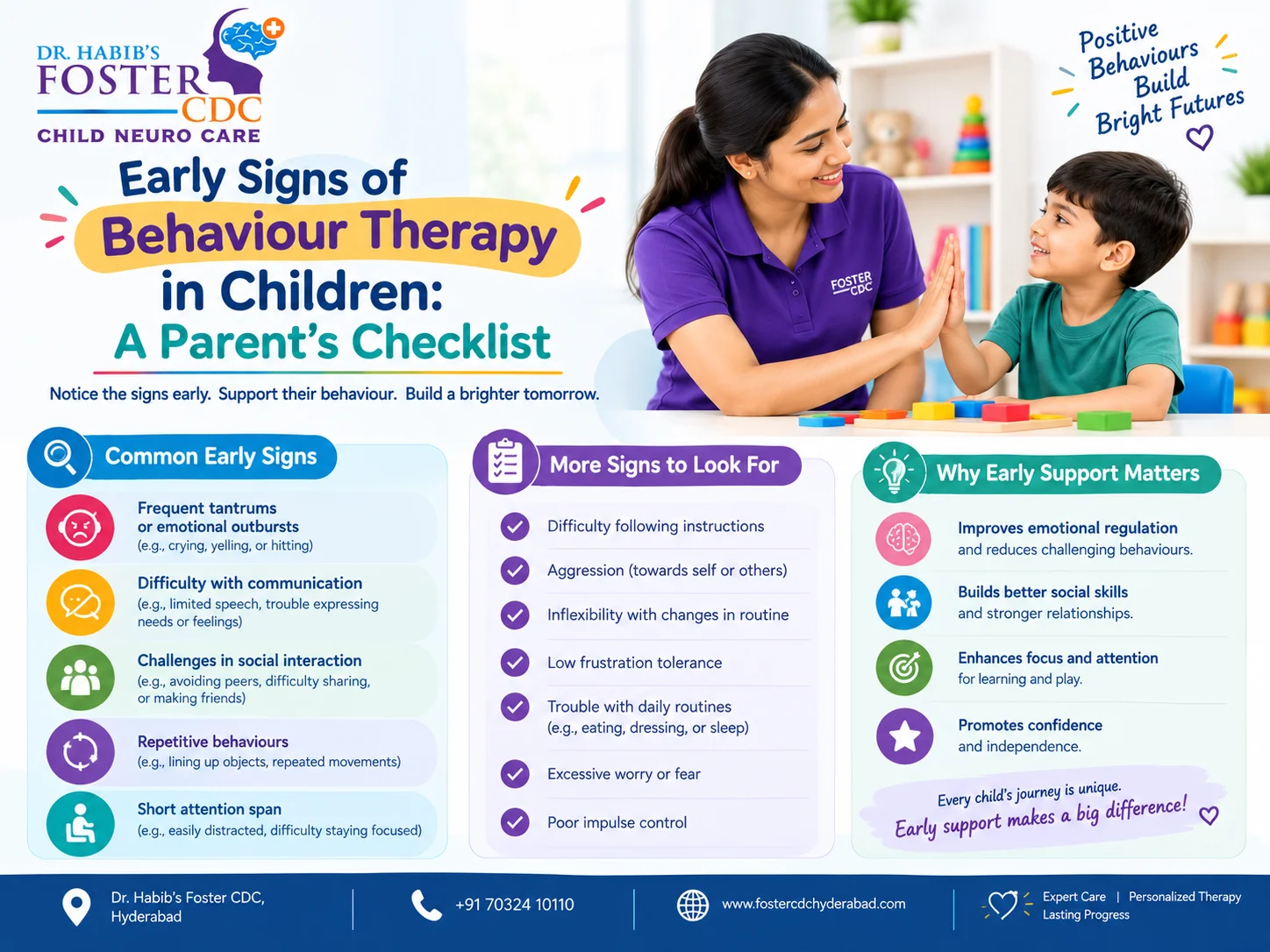
Behavioral therapy can have a profound impact on a child's overall well-being. By addressing behavioral issues early and equipping children with coping strategies, can improve their quality of life, academic performance, and social interactions. Additionally, the skills learned in therapy can have long-lasting effects, empowering children to navigate challenges and thrive in various aspects of their lives.
Bottom Line
In
a world where children face increasingly complex challenges, behavioral therapy
emerges as a vital resource for supporting their emotional and behavioral
development. By providing targeted intervention, teaching essential skills, and
fostering positive relationships, behavioral therapy helps children overcome
obstacles and reach their full potential. Investing in behavioral therapy for
children is not just addressing their current difficulties but laying the
groundwork for a happier, healthier future.
You
can approach Dr. Habib’s Foster CDC, a state-of-the-art child development
centre if you notice behavioral challenges in your child.
Other Blogs

Services
- Behavioural Therapy
- Speech Therapy
- Special Education
- Parent Training
- Psychotherapy & Counselling
- Yoga Therapy
- Postural & Mobility Therapy
- Early Intervention Services
- Cognitive Behavioural Therapy
- Occupational Therapy
- Group Teaching
- Teachers' Training
- Certified Courses
- Developmental Therapy
- Autism Therapy