What Should I Do If My Child Has an Intellectual Disability?
Intellectual
disability in children: Learning that your child has an intellectual disability
(ID) can be overwhelming and raise many questions. However, it’s important to
remember that with the right support, understanding, and interventions,
children with intellectual disabilities can lead fulfilling lives. Here is a
comprehensive guide on what you can do to help your child thrive.
1. Understand Intellectual Disability in Children
What is Intellectual Disability?
An
intellectual disability is characterized by significant limitations in both
intellectual functioning (such as reasoning, learning, and problem-solving) and
adaptive behavior (conceptual, social, and practical skills). It typically
originates before the age of 18 and affects various aspects of life, including
communication, self-care, and social interactions.
Children
with ID may exhibit delays in reaching developmental milestones, struggle with
academic tasks, or have difficulty learning new skills at the same pace as
their peers.
2. Accept and Embrace Your Child’s Abilities
As
a parent, acceptance is crucial. Your child may need more time and support to
develop certain skills, but they also have unique strengths and qualities that
deserve celebration. Focusing on your child’s abilities, rather than their
limitations, helps build a foundation of love, respect, and empowerment.
Tips for Parents:
- Celebrate
small wins and milestones.
- Acknowledge
your child’s efforts and accomplishments, no matter how big or small.
- Understand
that your child may develop at their own pace and that’s okay.
3. Seek Early Intervention Services
Early
intervention plays a vital role in supporting children with intellectual
disabilities. If you suspect your child may have developmental delays, it’s
important to have them evaluated as soon as possible. Early interventions can
improve cognitive, social, and communication skills through therapies tailored
to your child's needs.
Types of Early Intervention Services:
- Speech
Therapy: Improves communication skills.
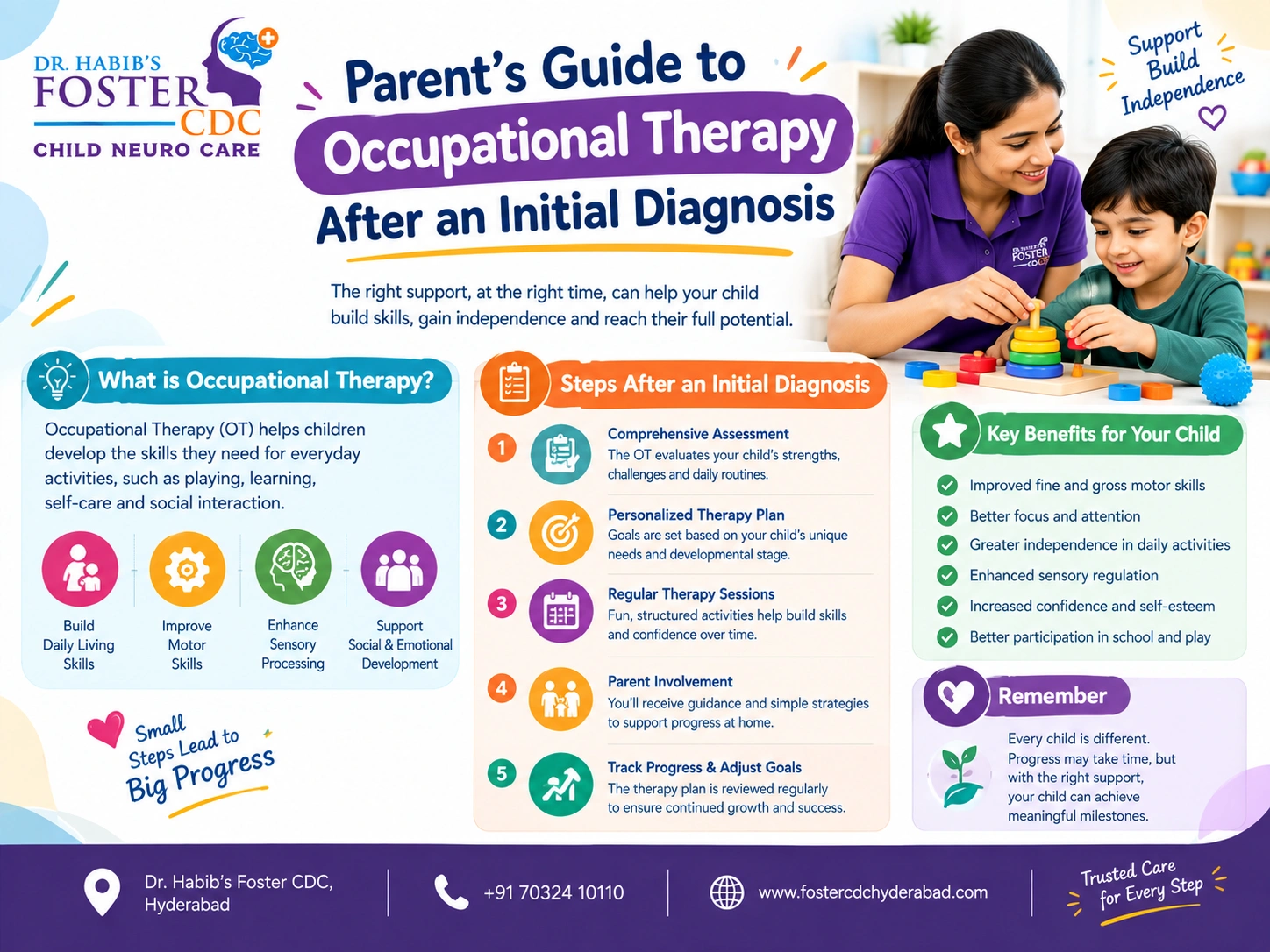
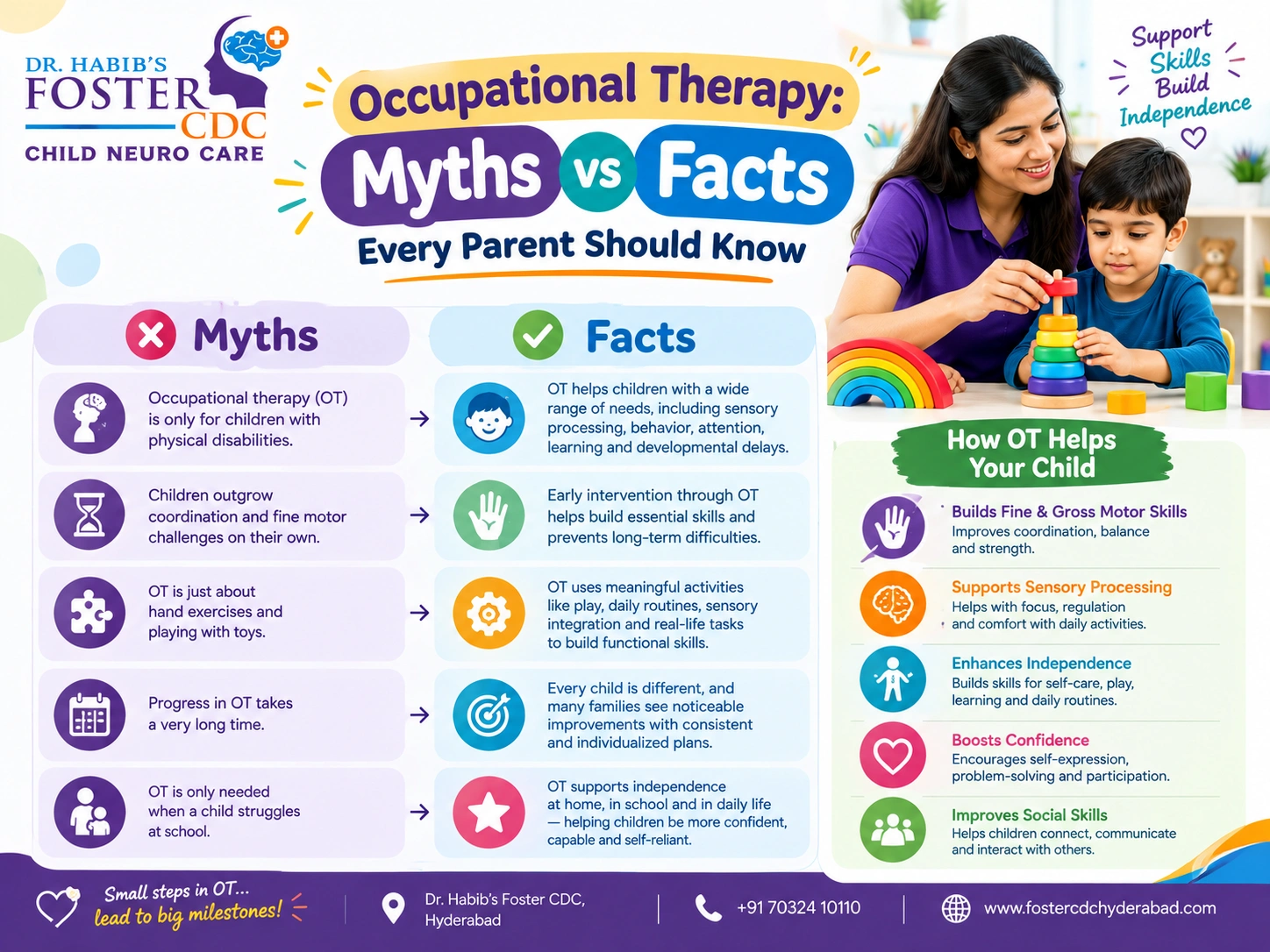
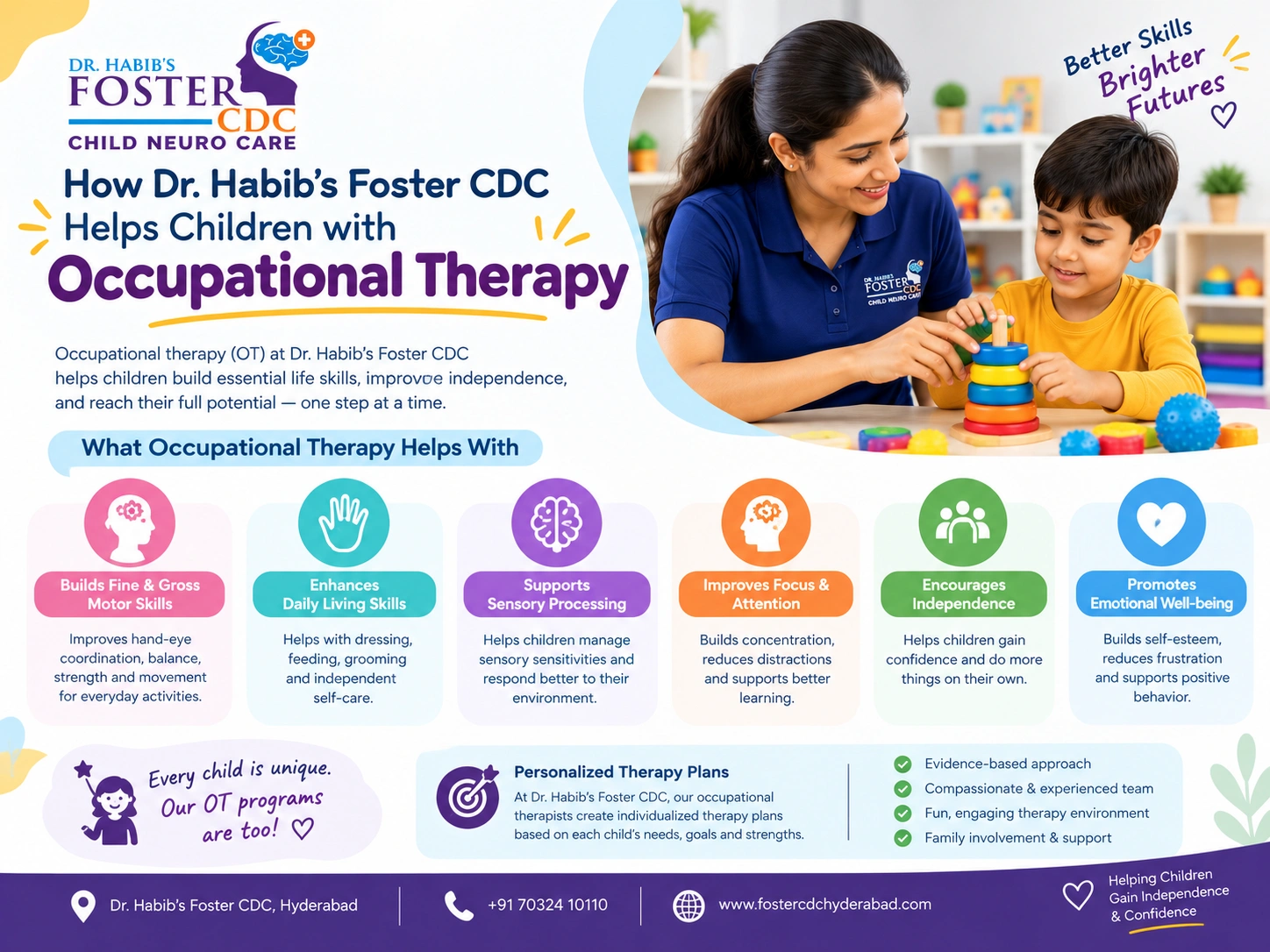
- Occupational
Therapy: Helps with daily tasks and
motor skills.
- Physical
Therapy: Supports physical development,
coordination, and mobility.
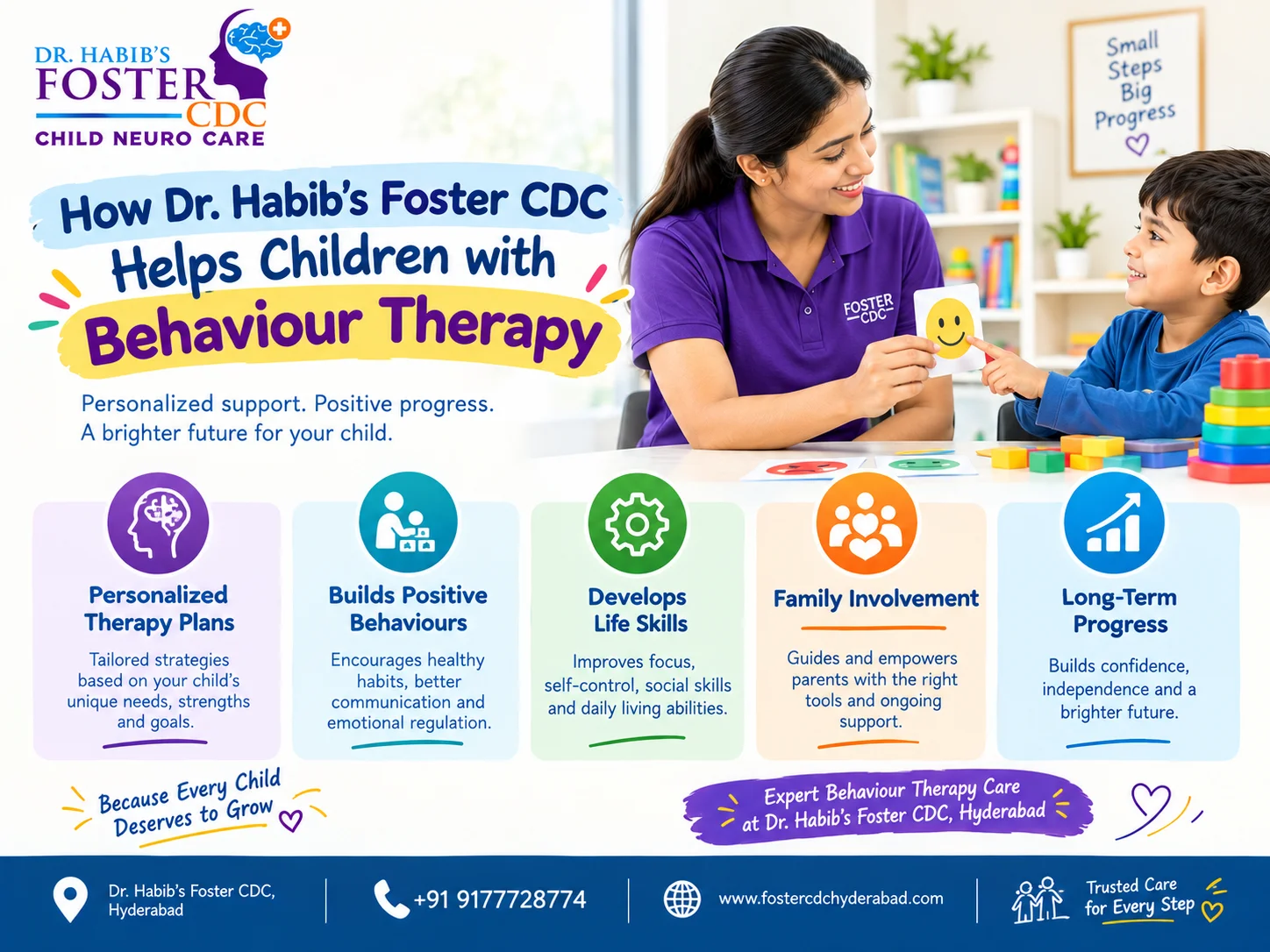
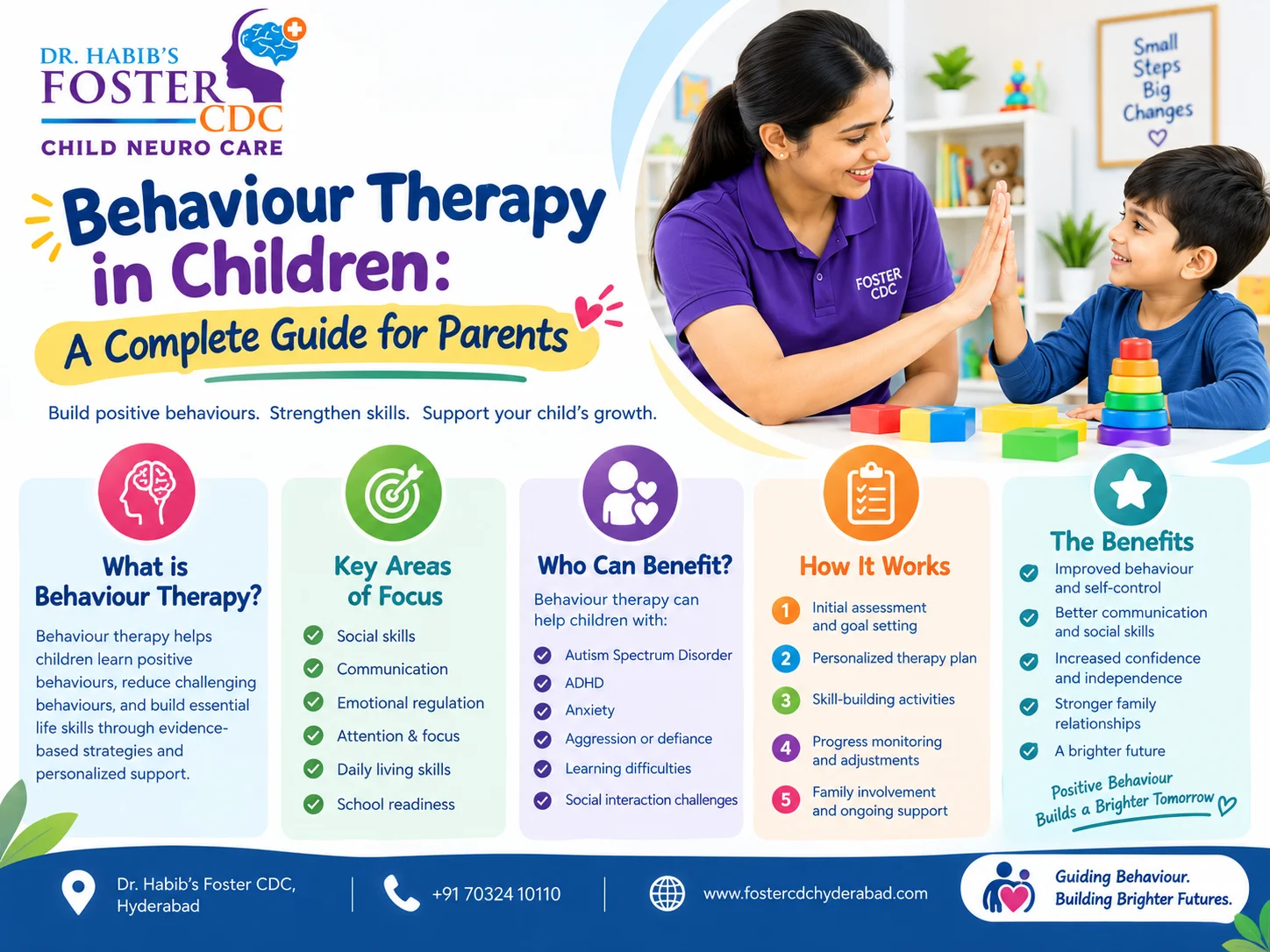
- Behavioral
Therapy: Addresses behavioral
challenges and teaches coping skills.
4. Work with Professionals to Create a Plan
Once
your child is diagnosed, working with a team of professionals will help you
create a structured plan to support their development. Schools and healthcare
providers can develop an Individualized Education Program (IEP) tailored to
your child's needs. An IEP outlines the specific services, goals, and
accommodations your child requires for academic success.
Key Professionals to Collaborate With:
- Special
education teachers
- Speech
and language pathologists
- Psychologists
or developmental pediatricians
- Occupational
and physical therapists
What to Expect from an IEP:
- Personalized
learning goals and objectives
- Specialized
teaching strategies and modifications
- Regular
assessments and updates on progress
5. Create a Supportive Home Environment
Your home environment plays a significant
role in your child’s development. A nurturing and supportive home can help your
child feel safe, encouraged, and confident. Here’s how you can create a
positive atmosphere:
- Routine
and Structure: Children with
intellectual disabilities often benefit from consistent routines. Creating
a daily schedule helps them understand what to expect and reduces anxiety.
- Positive
Reinforcement: Encourage good
behavior and celebrate successes with praise and rewards.
- Practice
Skills at Home: Reinforce what
your child is learning at school or therapy by practicing those skills at
home.
6. Advocate for Your Child’s Rights
You are your child’s biggest advocate.
Understanding their rights and navigating the educational and healthcare
systems is essential. In many countries, children with intellectual
disabilities are entitled to free public education and specific accommodations
under laws.
Key Steps in Advocacy:
- Stay
informed about your child’s rights in education, healthcare, and social
services.
- Communicate
regularly with teachers and therapists to monitor progress and make
adjustments to your child’s support plan.
- Attend
IEP meetings and advocate for necessary resources or accommodations.
7. Focus on Social and Emotional Development
Social and emotional skills are critical
for children with intellectual disabilities to form relationships, manage
emotions, and participate in their communities. Encourage social interactions
by engaging your child in group activities and playdates, both in structured
environments like schools and informal settings.
Tips for Encouraging Social Development:
- Model
appropriate social behaviors, such as taking turns and sharing.
- Help
your child learn to express their emotions and understand the feelings of
others.
- Join
support groups where your child can interact with peers facing similar
challenges.
8. Take Care of Yourself
Caring for a child with an intellectual
disability can be emotionally and physically demanding. To provide the best
care, you must take time for your well-being. Connect with other parents or
caregivers who can offer advice and emotional support. Therapy or counseling
for yourself can also be beneficial to manage any stress, guilt, or worries.
9. Explore Future Planning
As your child grows older, planning for
the future becomes crucial. This may include considerations for vocational
training, independent living, and financial planning. In some cases,
guardianship or legal protections, such as setting up a special needs trust,
may be necessary.
Steps for Future Planning:
- Explore
job training programs that match your child’s abilities.
- Investigate
supported or independent living options.
- Ensure
long-term financial security through trusts and government benefits.
10. Celebrate Diversity and Inclusion
It’s important to foster an inclusive
mindset in your family, ensuring your child feels loved, respected, and valued
for who they are. Advocate for inclusion in your community, whether it’s in
schools, recreational activities, or social events. Celebrate your child’s
uniqueness and the diversity that they bring to the world.
Conclusion
Intellectual
disability in children: Raising a child with an intellectual disability can
come with challenges, but it also brings immense joy and opportunities for
growth. By seeking early intervention, creating a supportive home environment,
advocating for your child’s rights, and focusing on their emotional well-being,
you can help your child reach their full potential.
Remember,
you are not alone. There are many resources, communities, and professionals
available to support you and your family on this journey. Each child’s path is
unique, and with love, patience, and the right support, your child can live a
fulfilling and meaningful life.
Other Blogs




Services
- Behavioural Therapy
- Speech Therapy
- Special Education
- Parent Training
- Psychotherapy & Counselling
- Yoga Therapy
- Postural & Mobility Therapy
- Early Intervention Services
- Cognitive Behavioural Therapy
- Occupational Therapy
- Group Teaching
- Teachers' Training
- Certified Courses
- Developmental Therapy
- Autism Therapy