Parenting a Child with Special Needs
Parenting
a Child with Special Needs: Parenting is a rewarding but challenging journey
for any family, but when your child has special needs, those challenges can
seem amplified. Children with special needs, whether physical, intellectual, or
emotional, require unique care, attention, and resources. Yet, with the right
approach, parenting a child with special needs can be an incredibly enriching
experience. This blog provides a comprehensive guide to help you navigate the
emotional, practical, and logistical aspects of raising a child with special
needs.
Understanding Special Needs
Children
with special needs encompass a broad range of conditions, including but not
limited to:
- Developmental Delays:
Delays in reaching milestones, such as walking or talking.
- Physical
Disabilities: Conditions like
cerebral palsy or spina bifida affect mobility or bodily function.
- Learning
Disabilities: Challenges with
reading, writing, or mathematics, such as dyslexia.
- Sensory Processing
Issues: Difficulty processing sensory
input is common in autism spectrum disorder.
- Emotional or
Behavioral Challenges: Conditions like
ADHD or oppositional defiant disorder (ODD).
- Chronic Health
Issues: Conditions such as epilepsy,
cystic fibrosis, or Type 1 diabetes.
Each
child is unique, and their needs will vary depending on their condition,
personality, and circumstances.
Accepting the Diagnosis: A Personal Journey
Learning
that your child has special needs can be emotionally overwhelming. Many parents
experience a range of emotions, from denial and grief to acceptance and
empowerment. It’s crucial to give yourself time to process the diagnosis and
seek support from loved ones, counselors, or support groups.
- Allow Yourself to
Grieve: It’s natural to mourn the loss
of expectations you had for your child’s future. Allow yourself to feel
and process these emotions without guilt.
- Focus on Positivity:
Once you’ve moved through the initial emotional stages, shift your mindset
toward the positives. Your child’s abilities and unique qualities can
bring immense joy.
- Seek Professional Help: A counselor or therapist can help you navigate this complex emotional terrain and find strategies to maintain your mental health.
Building a Support System
Raising
a child with special needs can be isolating if you don’t have a strong support
network. It's essential to surround yourself with people who understand your
child’s unique needs and can offer both emotional and practical support.
- Family and Friends:
Encourage open communication about your child’s needs with those close to
you. They may want to help but may not know how.
- Special Needs
Support Groups: Connecting with
other parents who share similar experiences can be invaluable. They can
provide emotional support, practical advice, and resources.
- Professional Support:
Regular communication with medical professionals, therapists, and
educators is crucial for your child’s development. Build a team of
professionals who can guide you in making informed decisions.
Navigating the Educational System
Children
with special needs often require specialized education plans. Navigating the
education system can feel daunting, but there are laws and resources designed
to ensure your child receives the support they need.
- Early Intervention
Programs: If your child is diagnosed
early, these programs offer services such as speech, physical, and
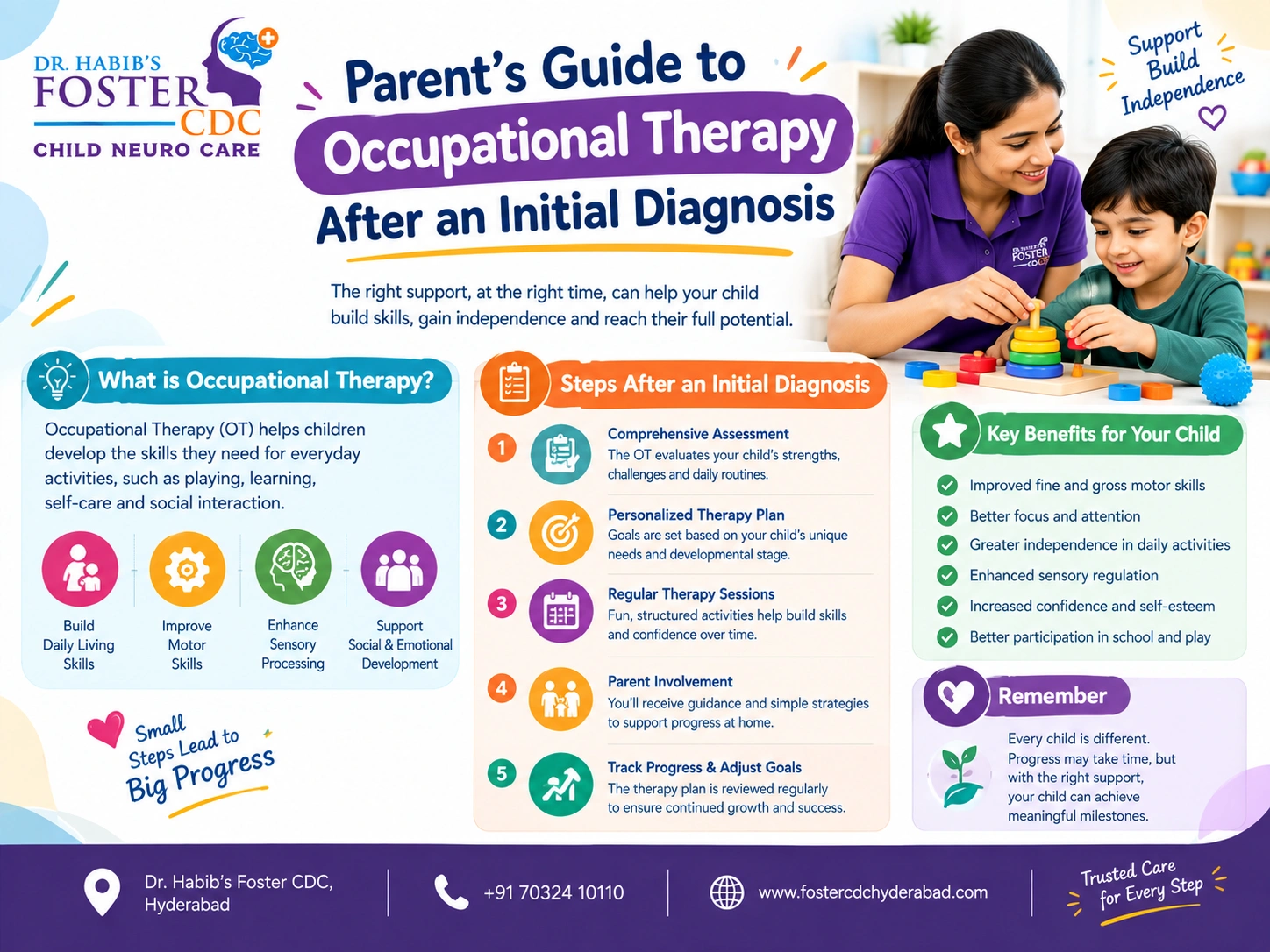
occupational therapies to address developmental delays.
- Individualized
Education Program (IEP): This type of
program outlines your child’s learning needs and the specific support they
will receive in school. Work closely with your child’s educators to ensure
their needs are met.
- Advocating for Your
Child: As a parent, you are your child’s
best advocate. Learn about their rights and don’t hesitate to push for
services and accommodations that benefit them.
Managing Daily Life
Daily
life with a special needs child can require adjustments in routines,
environments, and activities. Creating a supportive home environment is key to
your child’s well-being and your family’s harmony.
- Create a Structured
Routine: Many children with special
needs thrive on predictability. Having consistent daily routines can help
reduce anxiety and create a sense of security.
- Adaptive Equipment
and Technology: Depending on your
child’s needs, adaptive equipment (e.g., wheelchairs, communication
devices) and assistive technology can improve their independence and
quality of life.
- Sensory-Friendly
Environment: For children with sensory
processing issues, creating a calm, sensory-friendly environment is
essential. This might involve controlling noise levels, adjusting
lighting, or using sensory-friendly materials.
- Self-Care for
Parents: It’s easy to focus all your
energy on your child’s needs, but remember that self-care is crucial.
Taking breaks, seeking respite care, and prioritizing your physical and
emotional well-being are necessary to sustain your role as a caregiver.
Building Resilience in Your Child
Children
with special needs often face challenges that can affect their self-esteem. As
a parent, your role in fostering resilience and self-confidence is crucial.
- Encourage
Independence: Allow your child
to take on tasks within their capability, no matter how small. Celebrate
their accomplishments to boost their confidence.
- Teach
Problem-Solving: Help your child
develop critical thinking skills by guiding them through problem-solving
processes. It builds resilience and gives them tools to handle challenges.
- Celebrate Their
Strengths: Focus on your child’s
abilities and interests rather than solely on their limitations. This
positive focus can help build their self-esteem and resilience.
Coping with Emotional and Behavioral Challenges
Children
with special needs may experience emotional or behavioral issues, which can
create additional challenges for parents.
- Behavioral Therapy:
Techniques like Applied Behavior Analysis (ABA) can help manage
challenging behaviors and reinforce positive ones.
- Emotional Regulation:
Teaching your child strategies to manage their emotions, such as deep
breathing or using a calm-down corner, can be very helpful.
- Consistency in
Discipline: Children with special needs
benefit from consistent boundaries and discipline strategies. Tailor your
approach to suit your child’s developmental stage and abilities.
Financial and Legal Considerations
Raising
a child with special needs can bring about unique financial and legal
challenges. Planning can help ease the stress associated with these
responsibilities.
- Health Insurance and
Financial Assistance: Explore your
child’s eligibility for government programs, grants, and financial aid for
therapies, equipment, or other needs.
- Estate Planning:
Consider creating a special needs trust to ensure your child’s financial
well-being in the future. Consult with a financial advisor or lawyer
familiar with special needs planning.
- Guardianship: As your child grows older, you may need to consider guardianship options to protect their interests.
Bottom Line
Parenting
a child with special needs requires immense strength, patience, and love.
Though the journey can be challenging, it’s also filled with joy, growth, and
incredible rewards. By building a strong support network, advocating for your
child’s needs, and creating a nurturing home environment, you can help your
child thrive. Remember, you are not alone—countless resources, professionals,
and communities are here to support you along the way.
Other Blogs









Services
- Behavioural Therapy
- Speech Therapy
- Special Education
- Parent Training
- Psychotherapy & Counselling
- Yoga Therapy
- Postural & Mobility Therapy
- Early Intervention Services
- Cognitive Behavioural Therapy
- Occupational Therapy
- Group Teaching
- Teachers' Training
- Certified Courses
- Developmental Therapy
- Autism Therapy