Play Therapy for Autism – Why Is It Important?
Play
therapy was originally a tool to provide psychotherapy to youth dealing with
pain, anxiety, and mental disorders. In this context, play becomes a way for
children to express their feelings and find ways to cope. This type of play
therapy is still used, but it is not the same as play therapy for autistic
children.
"Play
therapy" for autistic children is provided by professionals who may use
specific methods and techniques. For example, some offer a treatment similar to
the Floortime method.
Floortime is a play method based
on the needs of the child with autism (or attention) to develop relationships,
communication, and social skills.
Note: Add a link to the floortime therapy blog ( delete this)
The
Game Program is another therapeutic approach that uses games as a tool to
develop the skills of autistic children.
Why should an autistic child see a play therapist?
Autistic
traits include differences in social skills and communication. Some autistic
children have difficulty communicating with others in neurotic ways. For
example, they do not "pretend" a doll to look like a real baby. In
addition, autistic children can be very interested in objects, use them for
self-stimulation, and become very self-centered. However, play is a wonderful
tool to help children (and sometimes adults) move beyond autistic self-reliance
to collaboration. and friends.
Play
therapy can allow parents and caregivers to participate in the growth and
development of their child. The principles of play therapy can be taught to
parents and caregivers. Over time, they can use it as a bridge to build a
stronger and more meaningful relationship with their sick child and family.
What does a play therapist do?
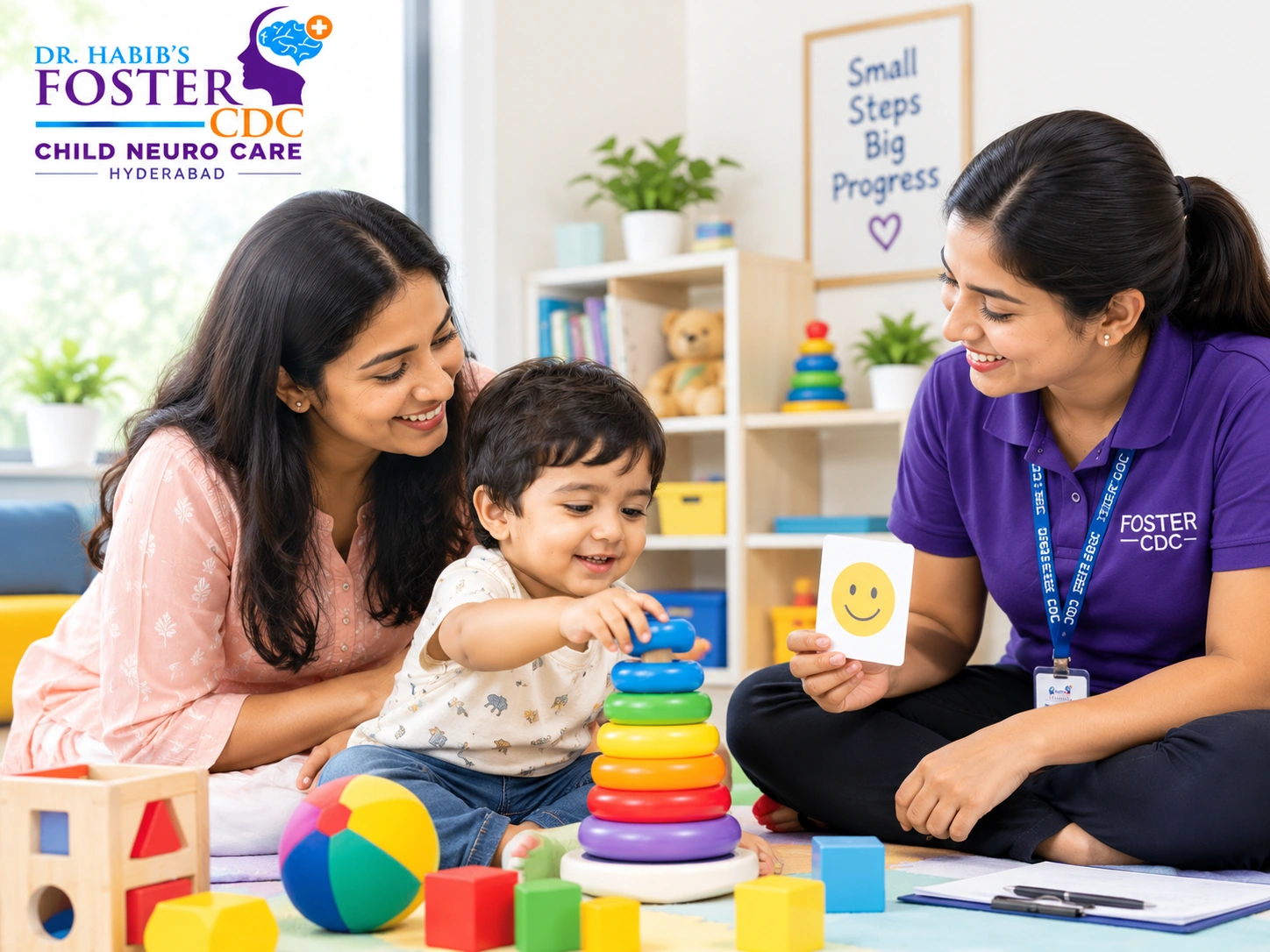
A good play therapist works with an autistic
child and actively participates in play. For example, the therapist can prepare
toys for the child and let him decide what he likes. The coach can get another
train and place it in front of the child's train, blocking the way. The relationship
begins when the child responds, verbally or nonverbally. If the child does not
respond, the therapist can look for more active, active options to engage the
child. Bubble blowing is often successful, as are toys that move, squeak,
vibrate, and otherwise "do something." Over time, the therapist will
work with the child to build reciprocal skills (sharing, turn-taking) and
imaginative skills, like pretending to feed a toy animal or cook a pretend
meal.
They may work on abstract thinking skills
while playing. As a child becomes better able to relate to others, additional
children may be brought into the group, and more complex social skills may be
developed.
Parents
and guardians can get involved by doing play therapy on their while using
videotapes and books as a guide.
How to Find a Qualified Play Therapist?
Dr.
Habib’s Foster CDC is a renowned child development center in Hyderabad. It has certified
mental health professionals with training in play therapy. Parents and
guardians can visit the centre to meet the best play therapist. Play therapy
for autistic children is offered as an integrated service through a local early
intervention program or integrated into a special therapy program.
Other Blogs


Services
- Behavioural Therapy
- Speech Therapy
- Special Education
- Parent Training
- Psychotherapy & Counselling
- Yoga Therapy
- Postural & Mobility Therapy
- Early Intervention Services
- Cognitive Behavioural Therapy
- Occupational Therapy
- Group Teaching
- Teachers' Training
- Certified Courses
- Developmental Therapy
- Autism Therapy