Play Therapy for Children: Techniques, Benefits, and How It Works
Children
often struggle to express their emotions, fears, and conflicts through
traditional verbal communication. This is where play therapy for
children comes into play—a powerful, evidence-based approach that enables
children to explore and express their feelings through play naturally.
Recognized globally as a cornerstone in pediatric mental health, play therapy
enables children to process their emotions, develop problem-solving skills, and
enhance their communication.
In
this blog, we’ll explore what play therapy is, its various techniques, how
it works, and the benefits it provides to children struggling with
emotional and behavioral challenges.
What is Play Therapy?
Play
therapy for children is a form of psychotherapy
specifically designed for children between the ages of 3 and 12. It uses
play—children’s natural language—to help them express what they cannot
verbalize. Through toys, games, art, role-play, and storytelling, children are
given a safe space to act out emotions, fears, traumas, and unresolved
conflicts.
The
therapy is facilitated by a trained play therapist who guides and interprets
the child’s play behavior, fostering emotional healing, self-awareness, and
resilience.
Why Play Instead of Talk?
Children
do not possess the same cognitive and linguistic abilities as adults to
describe what they are experiencing internally. Play becomes their voice. Just
as adults use words to communicate, children use play to express feelings,
explore relationships, and work through problems.
Who Can Benefit from Play Therapy?
Play
therapy is beneficial for children facing:
- Anxiety, phobias, or
depression
- Attention Deficit
Hyperactivity Disorder (ADHD)
- Autism Spectrum
Disorder (ASD)
- Trauma or abuse
- Grief and loss
- Parental separation
or divorce
- Learning
difficulties
- Behavioral issues
- Social withdrawal or
aggression
Key Techniques in Play Therapy for children
1. Non-Directive Play Therapy (Child-Centered)
- The therapist allows
the child to lead the session.
- There is no
direction, interpretation, or intervention unless necessary.
- Encourages
self-exploration and confidence-building.
2. Directive Play Therapy
- The therapist takes
an active role, using structured activities or themes.
- May include
storytelling, role-playing, or guided play scenarios.
- Best for specific
issues like trauma or phobias.
3. Sand Tray Therapy
- Children use
miniature figures and sand to build scenes.
- Helps in expressing
deep emotions and trauma without words.
- Highly symbolic and
interpretative.
4. Art-Based Play Therapy
- Utilizes drawing,
painting, and crafts.
- Encourages
creativity and reveals subconscious feelings.
- Often used with
children who are shy or non-verbal.
5. Doll or Puppet Play
- Puppets or dolls are
used to act out family roles or events.
- Enables the child to
talk about difficult experiences indirectly.
- Encourages empathy
and emotional processing.
6. Storytelling and Bibliotherapy
- Uses books or
storytelling as a therapeutic tool.
- Helps children
relate to characters and process their own experiences.
7. Therapeutic Games
- Board games or card
games are used to teach skills like turn-taking, patience, or emotion
regulation.
- Can be used to
promote social and cognitive development.
How Does Play Therapy for Children Work?
1. Building Trust
The
therapist creates a welcoming and non-judgmental space where the child feels
safe and heard.
2. Observation and Interpretation
The
therapist observes how the child interacts with toys, themes they gravitate
towards, and recurring patterns in play.
3. Emotional Expression
Children
often project their fears, frustrations, and desires through toys and stories,
allowing therapists to uncover the root causes of emotional distress.
4. Empowerment and Problem Solving
Through
therapeutic play, children learn to cope with difficult emotions, practice
decision-making, and develop healthy responses to challenges.
5. Involving Parents and Caregivers
Parents
may be included through feedback sessions to understand their child’s progress
and learn how to support therapy goals at home.
Benefits of Play Therapy
- Encourages emotional expression
- Enhances problem-solving and decision-making skills
- Builds self-esteem and confidence
- Reduces anxiety and behavioral issues
- Improves social skills and peer relationships
- Facilitates trauma recovery
- Supports academic and developmental growth
Play Therapy vs. Regular Play
While
everyday play is spontaneous and recreational, play therapy is purposeful,
guided, and goal-oriented. It is conducted in a structured environment by a
trained therapist, focusing on specific emotional or psychological issues.
Is Play Therapy Scientifically Backed?
Yes.
Multiple studies and clinical trials have proven the effectiveness of play
therapy, particularly for children with trauma, anxiety, ADHD, and behavioral
problems. The Association for Play Therapy (APT) and other mental health
organizations endorse it as a reliable and effective intervention.
Bottom Line
Play
therapy is a window into a child’s inner world—a gentle, creative, and powerful
approach that goes beyond words. Whether your child is facing anxiety, trauma,
or simply struggling to communicate, play therapy offers a safe path to
healing, growth, and emotional balance.
If
you're concerned about your child’s emotional or behavioral well-being,
consider consulting a certified play therapist. With professional support,
children can heal, thrive, and rediscover the joy of childhood—one play session
at a time.
Always
consult a licensed mental health professional or play therapist for
personalized evaluation and guidance.
Other Blogs

Services
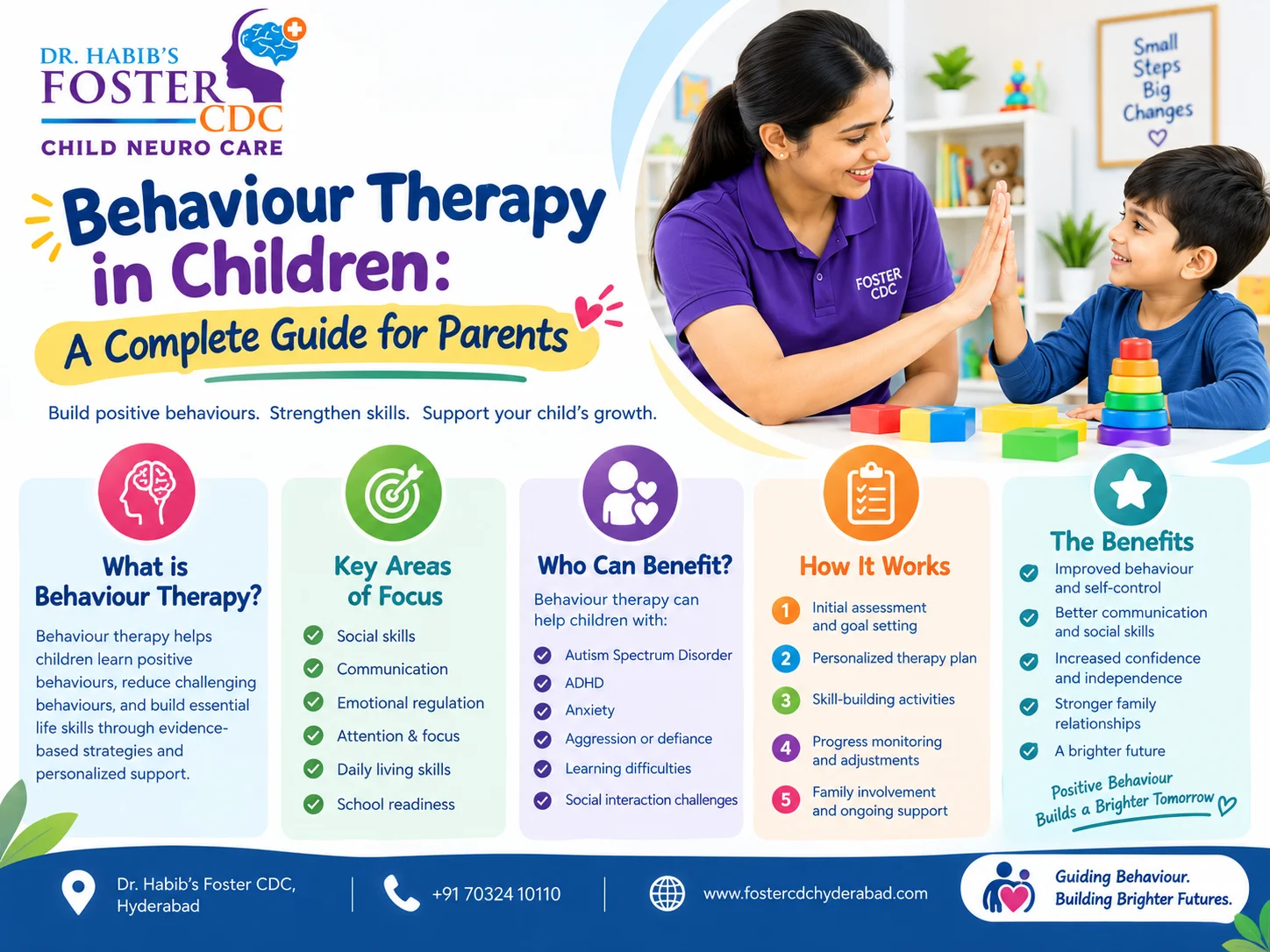
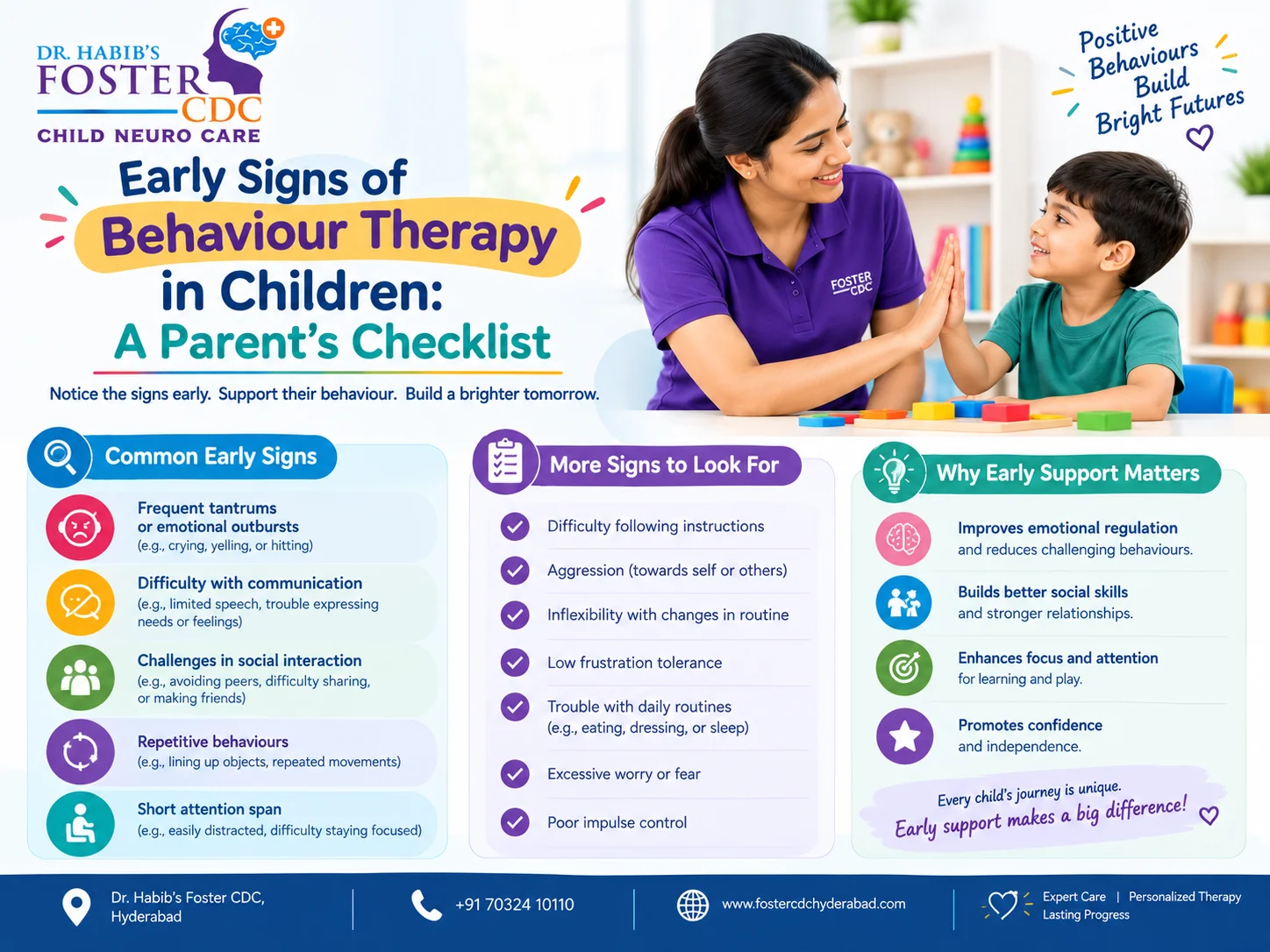
- Behavioural Therapy
- Speech Therapy
- Special Education
- Parent Training
- Psychotherapy & Counselling
- Yoga Therapy
- Postural & Mobility Therapy
- Early Intervention Services
- Cognitive Behavioural Therapy
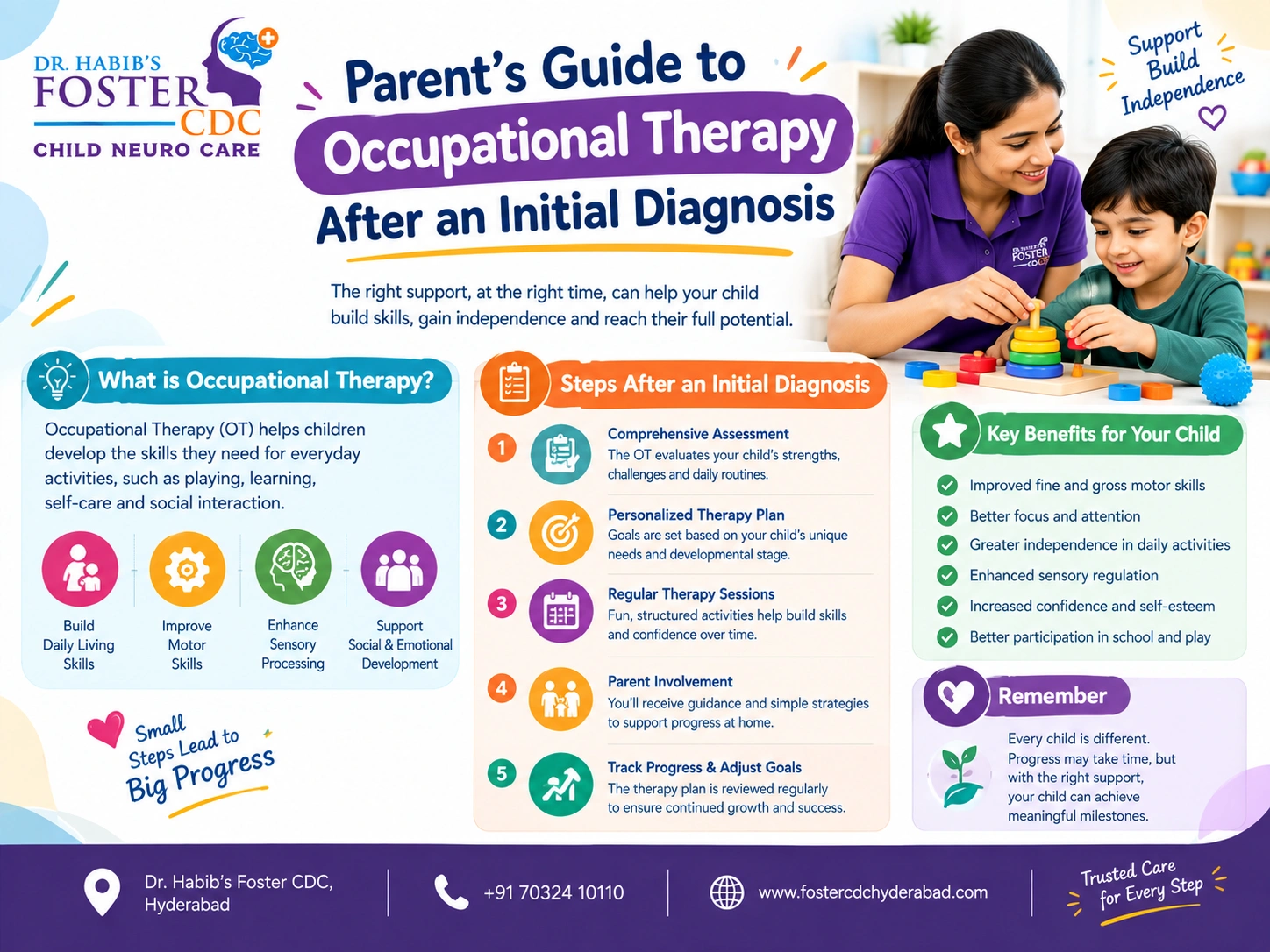
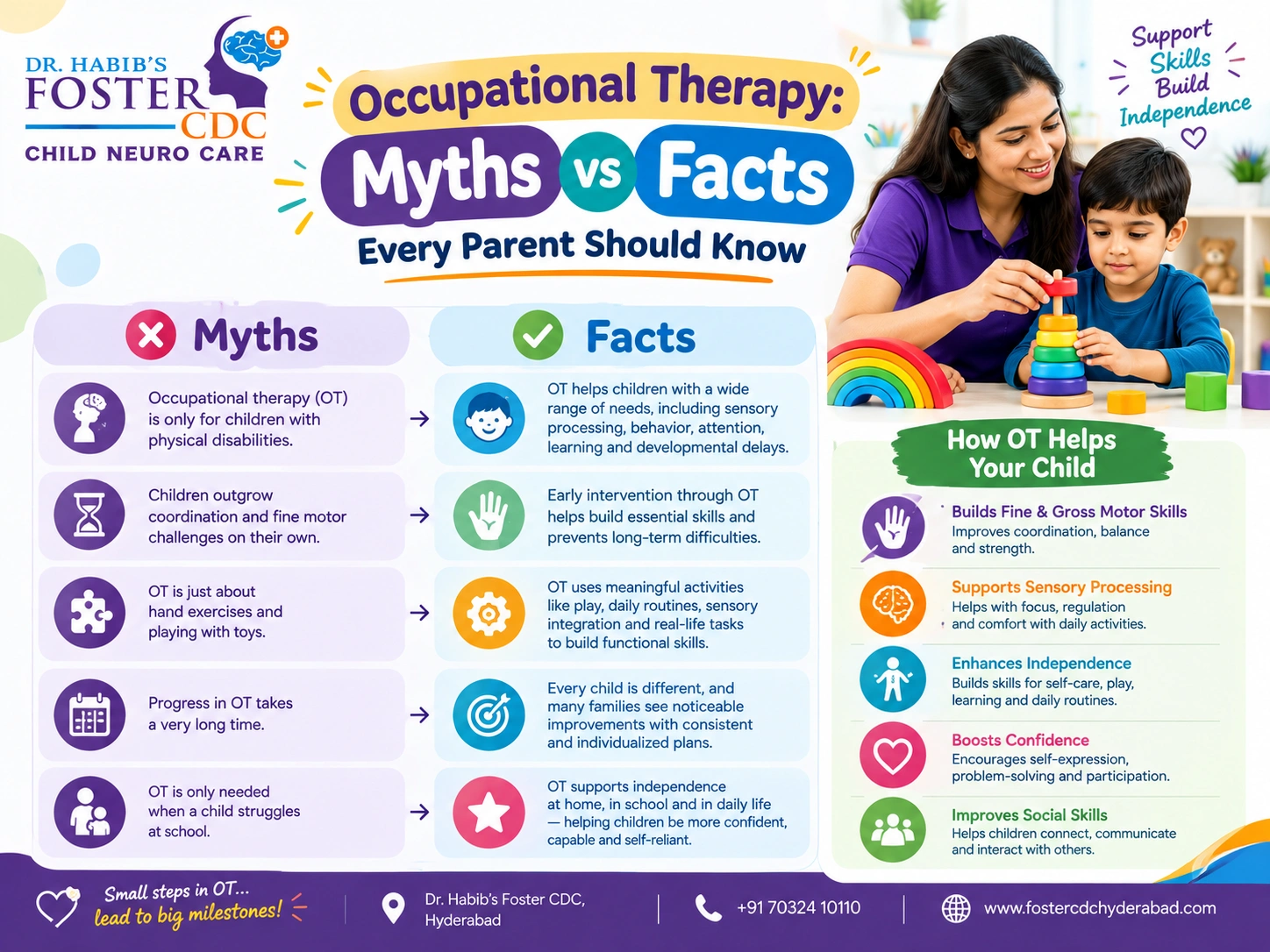
- Occupational Therapy
- Group Teaching
- Teachers' Training
- Certified Courses
- Developmental Therapy
- Autism Therapy