Seizures in Children: Do's and Don'ts
Seizure
do’s and don’ts: Witnessing a child experiencing a seizure can be a frightening
experience, especially if it happens for the first time. While seizures are
relatively common in children, knowing how to respond can make a significant
difference in the child’s safety and recovery. Here’s a comprehensive guide to
the seizure do’s and don’ts when dealing with seizures in children.
Understanding Seizures
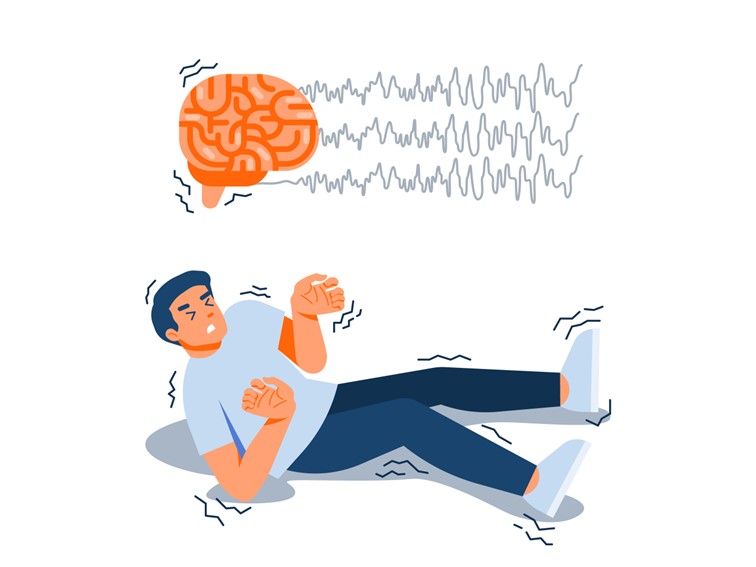
Seizures are sudden, uncontrolled
electrical disturbances in the brain that can cause changes in behavior,
movements, feelings, and levels of consciousness. In children, seizures can
stem from various causes, including fever (febrile seizures), epilepsy,
infections, head injuries, or metabolic imbalances.
Seizure do’s and don’ts
What to Do During a Seizure
Stay Calm
- Your calm demeanor can
help you make better decisions and reassure the child once the seizure ends.
Protect the Child from Injury
- Gently lay the child on
their side to prevent choking.
- Remove nearby objects
that could cause harm.
- Cushion their head with
something soft, like a folded jacket or a pillow.
Time the seizure
Use a watch or phone to time how long the
seizure lasts. This information is crucial for medical professionals.
Loosen Tight Clothing
Lose any tight clothing around the neck to
ensure easy breathing.
Stay with the Child
- Remain by their side until they fully regain consciousness.
- Speak softly and offer comfort as they recover.
Call for Emergency Help If:
- The seizure lasts longer than five minutes.
- The child has difficulty
breathing after the seizure.
- Another seizure follows immediately.
- The child is injured
during the episode.
- It’s their first seizure, or you’re unsure of the cause.
What Not to Do During a Seizure
Don’t Restrain the Child
Trying to hold the child’s movements can
lead to injuries.
Don’t Place Anything in Their Mouth
Contrary to common myths, a child cannot
swallow their tongue during a seizure. Placing objects in their mouth can cause
choking or dental injuries.
Don’t perform CPR during the seizure.
The child’s breathing usually resumes
naturally after the seizure. However, if they don’t start breathing after the
seizure ends, begin CPR and seek immediate help.
Don’t Give Food or Water
Avoid offering anything to eat or drink
until the child is fully awake and alert.
Don’t Panic
Children are often more resilient than we
realize, and seizures are typically not life-threatening when managed
appropriately.
After the Seizure
Reassure the child: They may feel
confused, scared, or tired. Offer comfort and explain what happened in simple
terms.
Monitor Recovery: Keep an eye on their breathing, alertness, and behavior.
Document the Episode: Note details like
duration, movements observed, and any triggers. This can help doctors provide
an accurate diagnosis.
Follow Up with a Doctor: Seek medical
advice to determine the cause and whether further tests or treatments are
needed.
Preventive Measures and Long-Term Management
Identify Triggers
Common triggers include lack of sleep,
stress, flashing lights, and fever. Keeping a journal can help pinpoint
patterns.
Medication Adherence
If the child has been prescribed
anti-seizure medication, ensure they take it as directed.
Educate caregivers and teachers
Inform those who regularly interact with
the child about what to do in case of a seizure.
Create a Safe Environment
Remove sharp objects and ensure play areas
are as safe as possible.
Regular Check-Ups
Maintain regular visits with a pediatric
neurologist if the child has a history of seizures.
When to Seek Immediate Help
You should seek immediate medical care in
the following cases:
- Seizures lasting longer
than five minutes (status epilepticus).
- Difficulty waking up or
prolonged confusion post-seizure.
- Injuries sustained during
the seizure.
- Signs of illness like fever, stiff neck, or rash that could indicate an infection.
Bottom Line
Seizures
in children, though alarming, can often be managed effectively with the right
knowledge and approach. You can ensure their safety and well-being by staying
calm, protecting the child, and seeking medical assistance when necessary.
Always consult a healthcare professional for personalized advice and address
any concerns about your child’s health.
Other Blogs










Services
- Behavioural Therapy
- Speech Therapy
- Special Education
- Parent Training
- Psychotherapy & Counselling
- Yoga Therapy
- Postural & Mobility Therapy
- Early Intervention Services
- Cognitive Behavioural Therapy
- Occupational Therapy
- Group Teaching
- Teachers' Training
- Certified Courses
- Developmental Therapy
- Autism Therapy