What is sensory integration?
Sensory
integration, or sensory processing, is the way we gather and process
information from the world around us through our senses. Sensory integration is
not only our sense of sight, smell, taste, touch, or sound but also how our
body is oriented in space and moves. Sensory integration consists of eight
total systems, but three sensory systems are most negatively affected when
someone has sensory processing problems:
Sensory
System: This system is responsible for tactile
sensations such as detecting pressure. or temperature, through the skin.
Proprioceptive
System: This system tells us where we are in
space through our muscles and joints.
Vestibular
System: This system consists of a complex ear,
which is responsible for determining our movement and balance. Sensory
Integration Disorder can be different for everyone. For example, people with
sensory modulation challenges may under or over-react to sensory input, while
people with sensory challenges may have difficulty distinguishing between
senses. People with sensory motor problems may have difficulty moving or
stabilizing their bodies.
What is Sensory Integration Therapy?
Sensory
Integration Therapy, also called Ayres Sensory Integration (ASI), is a
therapeutic approach used to improve the symptoms of sensory integration
dysfunction. Dr. Developed by A. Jean Ayres in the 1970s, the ASI is itself a
combination of sensory integration theory and two types of tools: assessment
tools to measure one's sensory integration and therapeutic tools used to
improve the symptoms of illness. sensory dysfunction
What happens during sensory integration therapy?
ASI-trained
occupational therapists aim to help people improve their sensory symptoms by
using a variety of therapeutic tools in a clinical setting to: stimulate the
senses through sensory input and encourage fine and gross motor planning
challenges. body movements developing new adaptive behaviors and responses. For
example, therapeutic tools can be physical, such as trampolines or climbing
walls, or mental, such as participation or skill challenges.
Who does sensory integration therapy?
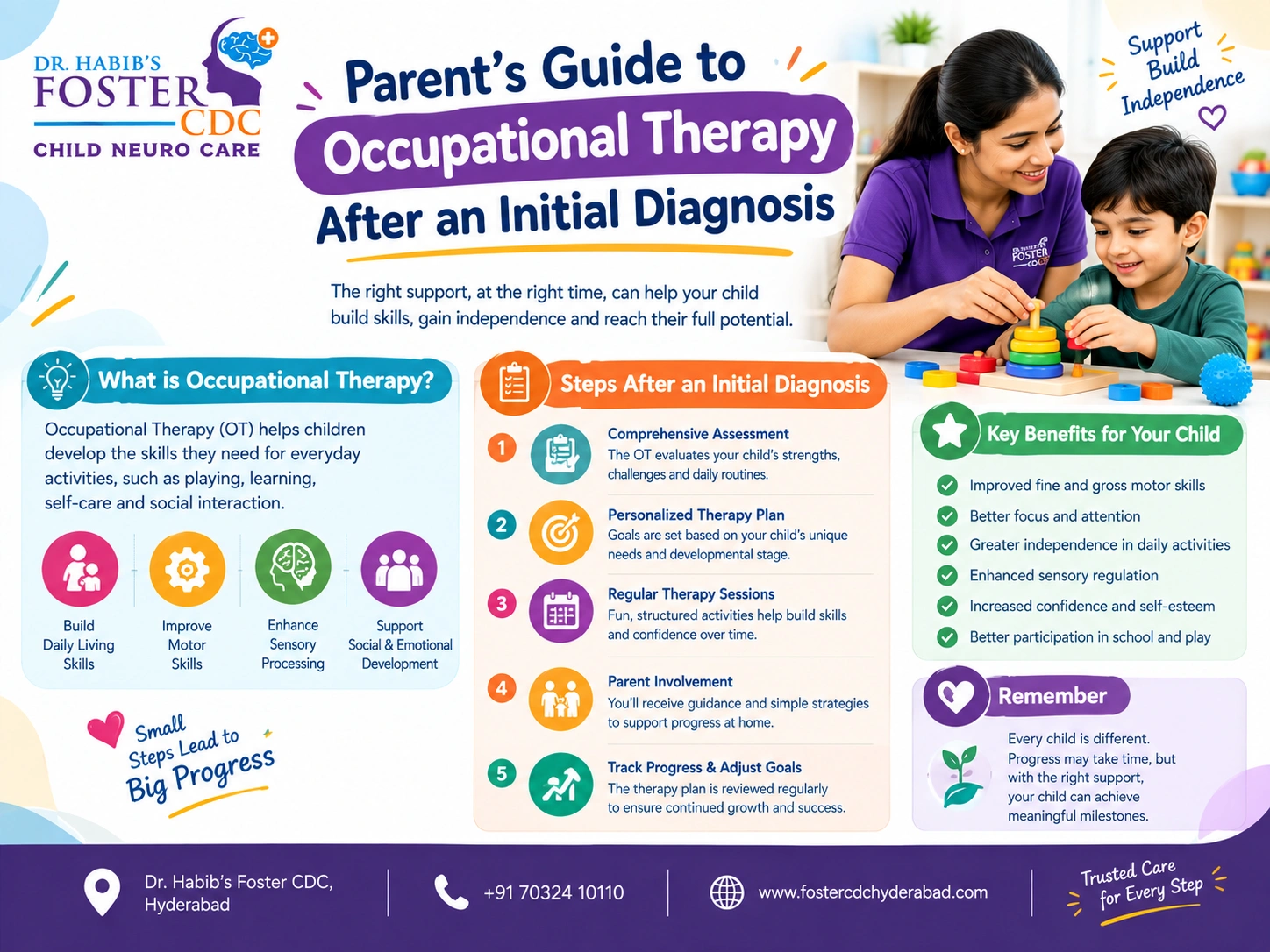
Occupational
therapists are doctors who use a variety of therapies to help people complete
daily tasks both in and out of the home. Occupational therapists play a huge
role in helping people – especially those with Autism Spectrum Disorder (ASD) –
deal with sensory symptoms. According to the American Occupational Therapy
Association (AOTA), some of the people who benefit most from occupational
therapy are Infants and toddlers: For infants and toddlers, occupational
therapy can improve many aspects of early life, such as playtime, sleep,
eating, and communication.
School-age
children: For school-age children, occupational
therapy can help improve things like routine, self-care, academics,
sociability, and concentration. Youth: For youth, occupational therapy can help
improve additional skills important to young adults, such as driving,
independence, and even relationships.
Adults
of all ages: Occupational therapy can improve
school, work, leisure, and social skills in adults of all ages, especially
those with delayed diagnosis. Sensory integration therapy is delivered by
specially trained occupational therapists who help improve immediate sensory
symptoms but also manage long-term symptoms.
Who can benefit from sensory integration therapy?
Most
research on sensory integration therapy focuses on children with autism, so
there is little research on the benefits of sensory integration therapy outside
of this population. A 2020 report from the National Classroom on Autism
Evidence and Practice noted that ASI is primarily used in children with autism
ages 3-11. According to the report, ASI focuses primarily on supporting
communication, cognition, and self-development for younger autistic children.
It can also be used to help autistic youngsters improve their social,
behavioral, and motor skills.
How effective is sensory integration therapy?
Although ASI has been used to treat sensory integration problems for more than 50 years, research remains limited and results are mixed. A recent reliable source review of the literature found that current research on sensory integration therapy is limited. In the review, the researchers mention that most small-scale studies show mixed results, but many systematic reviews also lack conclusive evidence about the effectiveness of sensory integration therapy. Although some research suggests that using sensory integration therapies can benefit people with sensory issues, we simply don't know enough about its long-term effectiveness.
Summary
Despite
the popularity of sensory integration therapy as a treatment option for sensory
processing challenges, research remains limited, with only a few studies
showing that it can be an effective therapy. However, this does not mean that
sensory integration therapy does not help some people manage sensory symptoms.
If you are considering sensory integration therapy for yourself or a loved one,
the AAP recommends making sure you have a chance to check its effectiveness.
So, it means creating specific treatment goals with a trained occupational
therapist and monitoring whether the treatment helps achieve those goals. If
you are interested in other treatment options for sensory integration
challenges outside of sensory integration therapy, consider seeing a pediatrician
or occupational therapist for more information.
Other Blogs






Services
- Behavioural Therapy
- Speech Therapy
- Special Education
- Parent Training
- Psychotherapy & Counselling
- Yoga Therapy
- Postural & Mobility Therapy
- Early Intervention Services
- Cognitive Behavioural Therapy
- Occupational Therapy
- Group Teaching
- Teachers' Training
- Certified Courses
- Developmental Therapy
- Autism Therapy