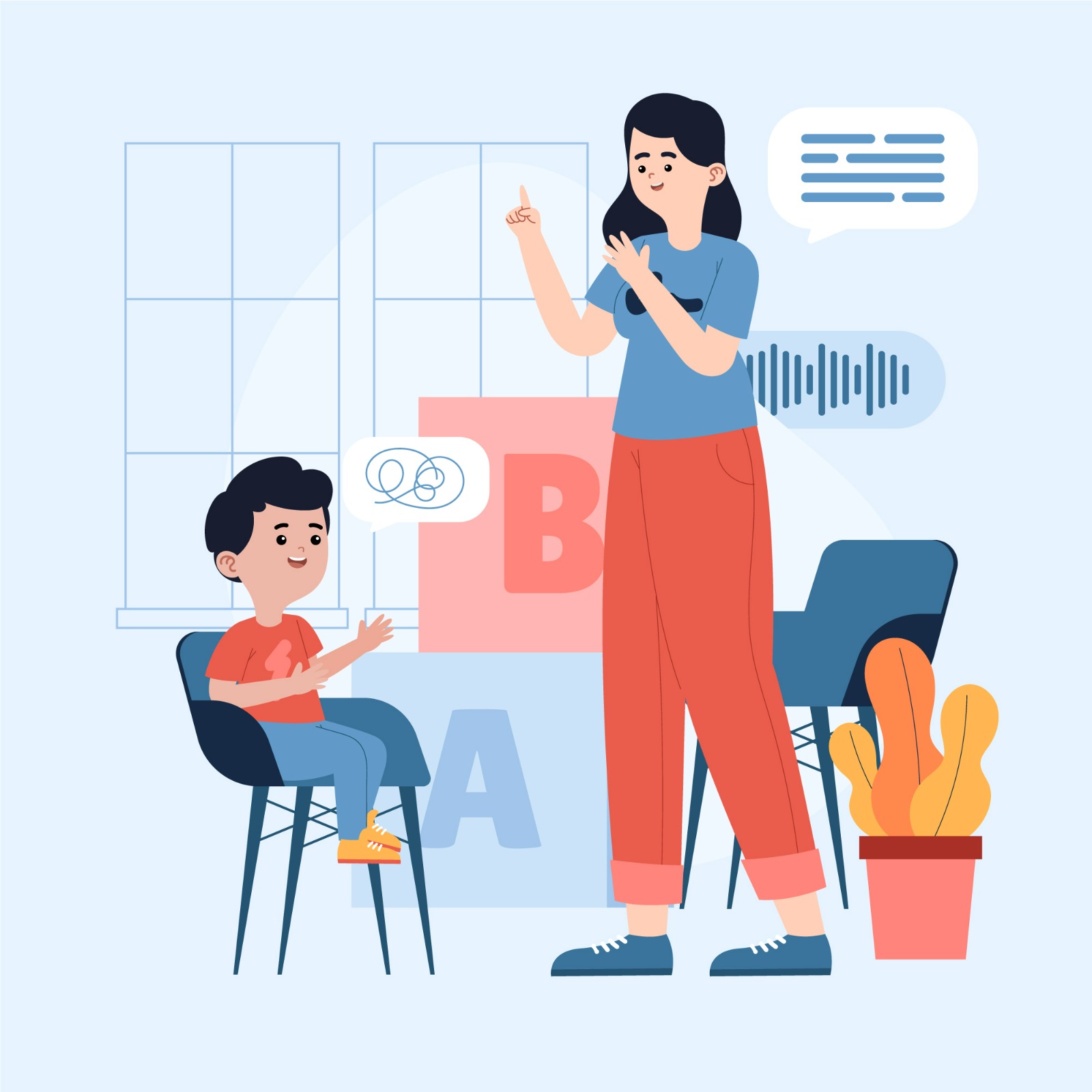
Understanding Stuttering in Children: Causes, Symptoms, and Support Strategies
Stuttering
in children, also known as childhood-onset fluency disorder, is a communication
challenge where a child experiences disruptions in the flow of their speech.
These disruptions, often called "disfluencies," can manifest as
repetitions, prolongations, or blocks in speech. While stuttering can sometimes
resolve naturally, understanding and addressing it early is vital for a child's
confidence and communication skills.
What is Stuttering in children?
Stuttering
affects the rhythm and fluency of speech. It can appear in different forms,
including:
- Repetitions:
Repeating sounds, syllables, or words (e.g., "I-I-I want that").
- Prolongations:
Holding a sound for an extended period (e.g., "Sssssometimes I
go").
- Blocks:
Pausing or getting stuck before speaking a word.
Stuttering is most common between the ages of 2 and 6 when children develop their language and speech skills. It affects about 5-10% of children at some point, but many recover naturally by late childhood.
Stuttering Causes
The
exact cause of stuttering remains unclear, experts point to a combination of
factors:
1. Genetics:
A family history of stuttering increases the likelihood of a child experiencing
it.
2. Neurological
Factors: Differences in how the brain processes
speech and language may play a role.
3. Developmental
Factors: Rapid language development can sometimes
outpace a child's ability to speak fluently.
4. Environmental Influences: Stress, fast-paced communication, or high expectations may exacerbate stuttering.
Signs and Symptoms
Recognizing
stuttering early is crucial. Key signs include:
- Frequent repetition
of sounds, syllables, or words.
- Prolonged sounds or
noticeable pauses in speech.
- Visible struggle or
tension when trying to speak.
- Avoidance of
speaking situations or certain words.
It’s important to differentiate between normal disfluencies common in young children and persistent stuttering that may need professional attention.
How to Support a Child Who Stutters
1. Create a Supportive Environment
- Be Patient:
Let the child finish speaking without interruptions or finishing sentences
for them.
- Encourage Slow
Speech: Model slow, calm speech
patterns without emphasizing their stuttering.
- Reduce Time
Pressure: Avoid rushing them during
conversations or requiring quick responses.
2. Professional Intervention
- Speech Therapy:
A speech-language pathologist (SLP) can provide tailored strategies to
improve fluency and reduce frustration.
- Early Intervention:
Seeking help early, especially if stuttering persists for more than 6
months, increases the chances of improvement.
3. Emotional Support
- Normalize the
Experience: Reassure the child that
stuttering is a common challenge and not a reflection of their
intelligence.
- Build Confidence:
Encourage participation in activities where speech isn’t the focus, like
art or sports.
4. Educate Others
Teach family members, teachers, and peers about stuttering to foster understanding and reduce stigma.
When to Seek Professional Help
While
many children outgrow stuttering, some may need additional support. Consult a
professional if:
- Stuttering lasts
more than 6 months.
- It is accompanied by
tension or frustration.
- The child starts
avoiding speaking situations.
- There’s a family history of persistent stuttering.
Bottom Line
Stuttering
in children is a manageable condition with the right support and interventions.
By creating a nurturing environment, seeking professional guidance, and
empowering the child, we can help them develop into confident communicators.
Remember, every child’s journey with stuttering is unique, and patience,
understanding, and encouragement go a long way in fostering their growth and
self-esteem.
Dr.
Habib’s Foster CDC can help if you think your child has developed stuttering.
Other Blogs


Services
- Behavioural Therapy
- Speech Therapy
- Special Education
- Parent Training
- Psychotherapy & Counselling
- Yoga Therapy
- Postural & Mobility Therapy
- Early Intervention Services
- Cognitive Behavioural Therapy
- Occupational Therapy
- Group Teaching
- Teachers' Training
- Certified Courses
- Developmental Therapy
- Autism Therapy