Taking Care of a Child with Autism: A Comprehensive Guide
Taking
care of a child with autism is a journey filled with unique challenges and
rewards. Autism Spectrum Disorder (ASD) affects each child differently, making
it crucial for parents and caregivers to adopt personalized strategies to
support their child's growth and development. This guide provides practical
tips, emotional support, and effective approaches to help families navigate
autism care with confidence and love.
Understanding Autism Spectrum Disorder (ASD)
ASD
is a neurodevelopmental disorder that affects communication, behavior, and
social interaction. It is called a "spectrum" because symptoms and
their severity can vary widely from one child to another. Some children may
struggle with verbal communication, while others struggle with social
interactions or sensory sensitivities. Early diagnosis and intervention can
significantly improve a child's quality of life. Taking care of a child with
autism involve the following:
Creating a Supportive Environment
A
structured and supportive home environment is essential for children with
autism. Here are some ways to create a nurturing space:
- Establish Routines:
Predictability is crucial for children with autism. Maintain consistent
schedules for meals, bedtime, and activities to reduce anxiety.
- Use Visual Aids:
Picture schedules, charts, and symbols can help children understand daily
activities and transitions more easily.
- Minimize Sensory
Overload: Some children with autism are
highly sensitive to light, noise, and textures. Creating a calm and
sensory-friendly space at home can reduce stress.
Communication Strategies
Many
children with autism face challenges in verbal and nonverbal communication.
Here are some ways to enhance communication:
- Use Simple Language:
Speak in clear, concise sentences and give your child time to process
information.
- Encourage
Alternative Communication Methods:
If verbal communication is difficult, consider using sign language,
picture exchange communication systems (PECS), or assistive communication
devices.
- Practice Social
Stories: Reading or creating stories
that illustrate different social situations can help children understand
appropriate behaviors and responses.
Encouraging Social Interaction
Developing
social skills is often a key challenge for children with autism. Parents can
support their child’s social development through:
- Play-Based Learning:
Engage in activities that involve turn-taking, imitation, and shared
attention.
- Therapeutic
Interventions: Speech therapy,
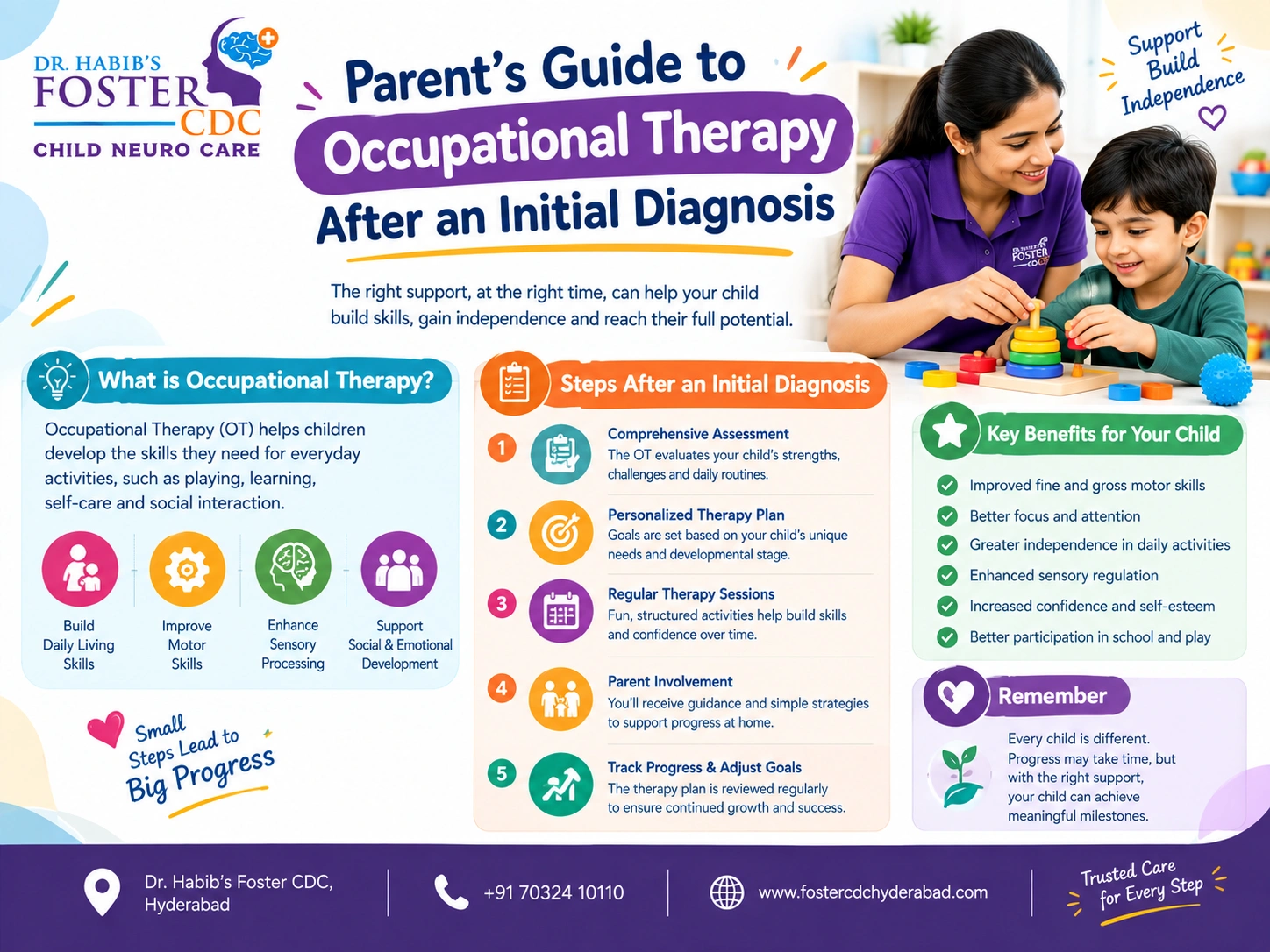
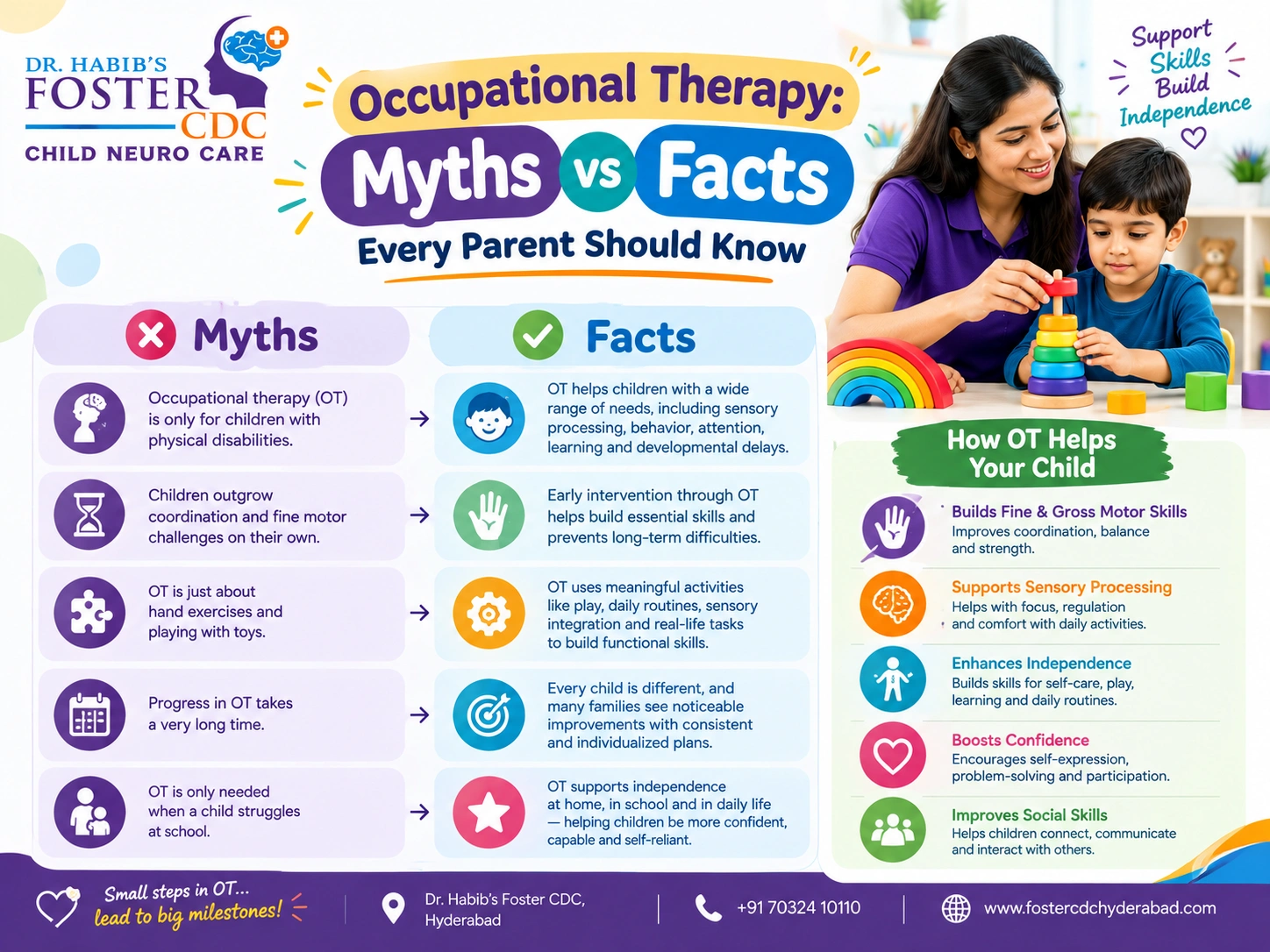
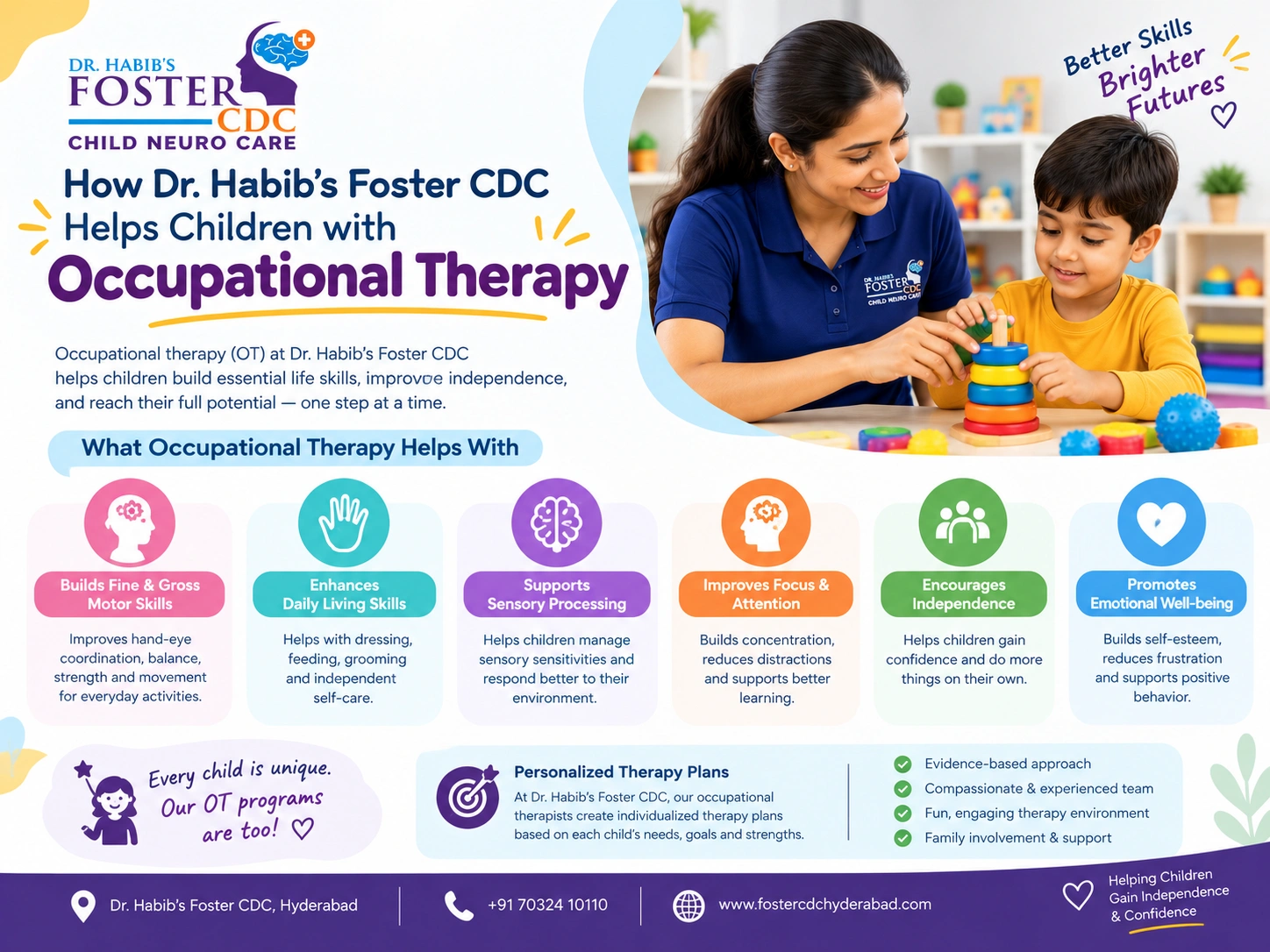
occupational therapy, and behavioral therapy can enhance social
communication skills.
- Peer Interaction:
Arrange structured playdates or join autism support groups to help your
child interact with other children in a controlled environment.
Managing Behavioral Challenges
Children
with autism may exhibit behaviors such as meltdowns, repetitive actions, or
difficulty with transitions. Here’s how to handle these situations effectively:
- Identify Triggers:
Observe what causes distress and try to minimize exposure to those
triggers.
- Use Positive
Reinforcement: Reward good
behavior with praise, tokens, or preferred activities.
- Stay Calm and
Consistent: Respond to challenging
behaviors with patience and consistency rather than punishment.
Supporting Emotional Well-being
Parents
and caregivers must also prioritize their child’s emotional health:
- Teach Coping Skills:
Help children express their emotions through words, drawings, or sensory
tools.
- Provide a Safe Space:
Ensure your child has a designated area to retreat when feeling
overwhelmed.
- Encourage
Self-Regulation Techniques: Activities
like deep breathing, weighted blankets, and fidget toys can aid in
self-soothing.
Seeking Professional Support
Every
child with autism is unique, and professional support can make a significant
difference. Consider working with:
- Developmental
Pediatricians: Specialists who
assess and guide treatment plans.
- Therapists and
Special Educators: Experts in
behavioral, occupational, and speech therapies tailored to autism needs.
- Support Groups and
Community Resources: Connecting with
other families facing similar challenges can provide emotional and
practical support.
Self-Care for Parents and Caregivers
Taking
care of a child with autism can be demanding, making self-care essential for
parents:
- Take Breaks:
Schedule time for relaxation and personal interests.
- Seek Support:
Join autism parenting groups, seek counseling, or connect with other
caregivers.
- Celebrate Progress:
Acknowledge and appreciate small milestones in your child’s journey.
Bottom Line
Taking
care of a child with autism requires patience, understanding, and a strong
support system. By creating a structured environment, using effective
communication strategies, and seeking professional help, parents can help their
child thrive. Remember, every child with autism is unique—celebrate their
strengths, embrace their differences, and continue learning as you navigate
this journey with love and dedication.
Other Blogs



Services
- Behavioural Therapy
- Speech Therapy
- Special Education
- Parent Training
- Psychotherapy & Counselling
- Yoga Therapy
- Postural & Mobility Therapy
- Early Intervention Services
- Cognitive Behavioural Therapy
- Occupational Therapy
- Group Teaching
- Teachers' Training
- Certified Courses
- Developmental Therapy
- Autism Therapy