Therapies for Childhood ADHD
Attention
Deficit Hyperactivity Disorder (ADHD) is a neurodevelopmental condition that
affects millions of children worldwide. Characterized by symptoms like
inattention, hyperactivity, and impulsivity, ADHD can make everyday activities
challenging for both children and their families. Fortunately, various
therapies can help manage ADHD symptoms, enabling children to lead fulfilling
lives. This blog explores the most effective therapies for ADHD children,
highlighting the importance of a personalized approach to treatment.
Therapies for ADHD children
1. Behavioral Therapy
Behavioral
therapy is one of the most widely recommended treatments for children with
ADHD. It focuses on helping children develop positive behaviors and reduce
problematic ones through structured strategies.
Key Components of Behavioral Therapy
- Positive
Reinforcement: Encouraging desired
behaviors by offering rewards or praise.
- Time-Outs:
Using brief periods away from stimulating activities as a consequence of
inappropriate behavior.
- Token Economy
Systems: Providing tokens or points for
positive behavior, which can be exchanged for rewards.
- Parental Training:
Involving parents in therapy to reinforce strategies at home.
Benefits:
Behavioral therapy is particularly effective in young children and helps
improve their ability to follow rules, complete tasks, and interact positively
with others.
2. Cognitive Behavioral Therapy (CBT)
Cognitive
Behavioral Therapy (CBT) is another effective therapeutic approach for managing
ADHD. It helps children develop skills to manage their symptoms by changing
negative thought patterns and behaviors.
Key Components of CBT:
- Identifying Negative
Thoughts: Helping children recognize
unhelpful thoughts that lead to impulsive or inattentive behavior.
- Developing Coping
Strategies: Teaching children techniques to
manage frustration, stay organized, and improve focus.
- Problem-solving
skills: Encouraging children to think
through the consequences of their actions before responding impulsively.
Benefits:
CBT can help older children and adolescents develop self-control, improve
academic performance, and enhance self-esteem.
3. Parent-Child Interaction Therapy (PCIT)
Parent-Child
Interaction Therapy (PCIT) focuses on improving the parent-child relationship
while helping parents manage their child’s ADHD symptoms more effectively.
Key Components of PCIT
- Two Phases:
The therapy is divided into relationship enhancement and discipline.
- Coached Interaction:
Therapists coach parents in real-time through an earpiece, guiding them to
interact with their child.
- Improving
Communication: Parents learn to
give clear instructions and provide consistent consequences for behavior.
Benefits:
PCIT strengthens the parent-child bond, reduces disruptive behaviors, and helps
parents feel more confident in managing ADHD symptoms.
4. Social Skills Training
Children
with ADHD often struggle with social interactions, leading to difficulties in
making and maintaining friendships. Social skills training aims to improve a
child's ability to interact with peers and adults appropriately.
Key Components of Social Skills Training:
- Role-Playing:
Children practice social interactions in a safe and supportive
environment.
- Modeling:
Therapists demonstrate appropriate social behavior, which children then
imitate.
- Feedback:
Children receive immediate feedback on their behavior, helping them learn
from mistakes.
Benefits:
Social skills training enhances a child's ability to communicate, cooperate,
and resolve conflicts, leading to better peer relationships and a more positive
school experience.
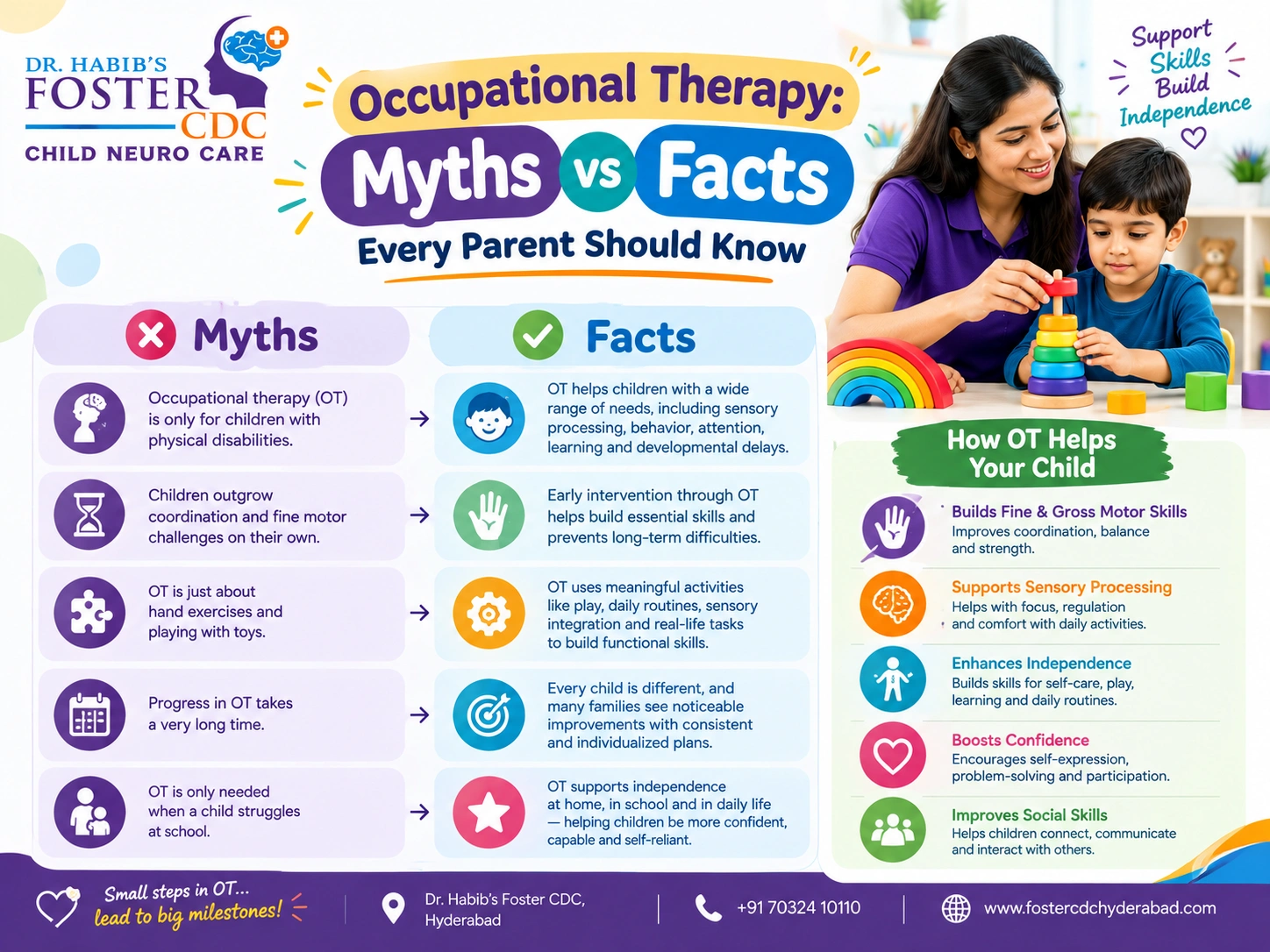
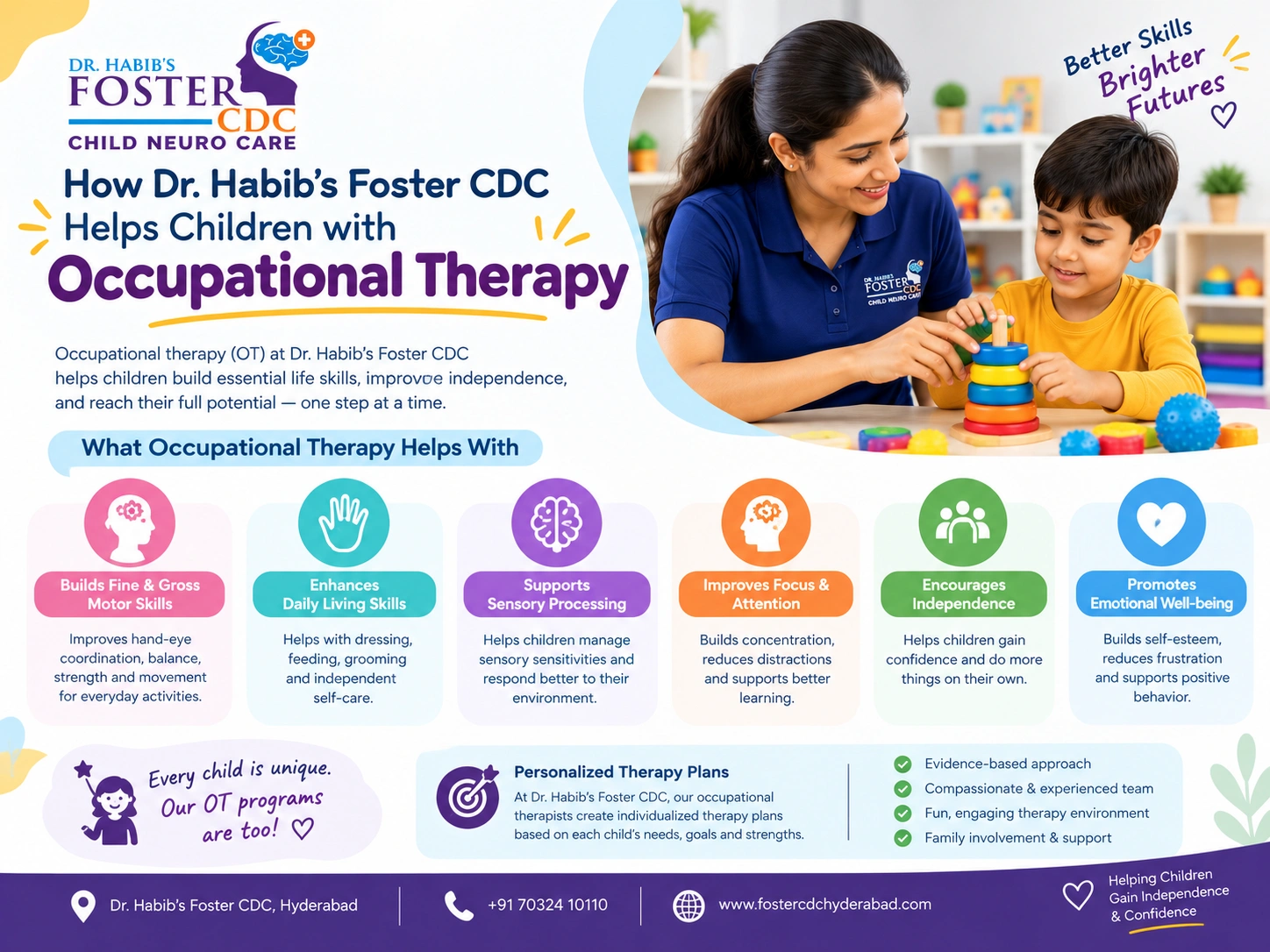
5. Occupational Therapy
Occupational
therapy can be particularly beneficial for children with ADHD who struggle with
fine motor skills, sensory processing, or daily living activities.
Key Components of Occupational Therapy:
- Sensory Integration:
Helping children manage sensory sensitivities that may contribute to
hyperactivity or distractibility.
- Motor Skills
Development: Improving hand-eye
coordination, handwriting, and other fine motor skills.
- Routine Building:
Assisting children in developing routines and organizational skills to
improve daily functioning.
Benefits:
Occupational therapy helps children become more independent and competent in
daily tasks, reducing frustration and increasing self-confidence.
6. Medication
While
not a therapy per se, medication is often a crucial component of a
comprehensive ADHD treatment plan. Medications, such as stimulants (e.g.,
Ritalin, Adderall) and non-stimulants (e.g., Strattera), can help manage the
core symptoms of ADHD.
Key Considerations:
- Personalized Dosage:
Finding the right medication and dosage is crucial, as every child
responds differently.
- Monitoring:
Regular check-ins with a healthcare provider are necessary to monitor
effectiveness and side effects.
- Combination with
Therapy: Medication is most effective
when combined with behavioral or cognitive therapies.
Benefits:
When appropriately prescribed and monitored, medication can significantly
reduce hyperactivity, improve focus, and help children function better in
school and social settings.
Bottom Line
Managing
childhood ADHD requires a multi-faceted approach that addresses the unique
needs of each child. While behavioral and cognitive therapies lay the
foundation for long-term success, parental involvement, social skills training,
and occupational therapy provide essential support. In some cases, medication
may be necessary to complement these therapies.
Early
intervention and consistent, tailored treatment can significantly improve the
quality of life for children with ADHD, enabling them to thrive both
academically and socially. With the right combination of therapies, children
with ADHD can overcome their challenges and unlock their full potential.
If
your child is struggling and unable to cope with ADHD and other behavioral
issues, then visit Dr. Habib’s Foster CDC for a comprehensive evaluation of his
or her symptoms and appropriate therapies for ADHD children.
Other Blogs
Services
- Behavioural Therapy
- Speech Therapy
- Special Education
- Parent Training
- Psychotherapy & Counselling
- Yoga Therapy
- Postural & Mobility Therapy
- Early Intervention Services
- Cognitive Behavioural Therapy
- Occupational Therapy
- Group Teaching
- Teachers' Training
- Certified Courses
- Developmental Therapy
- Autism Therapy