Why a Special Child Needs Therapies: Parents Musk Know
Therapy
for special needs child: Parenting a child with special needs comes with unique
challenges and rewards. While every child is a blessing, those with special
needs often require additional support to help them thrive in their
environment. Therapies, tailored to meet the individual needs of these
children, play a crucial role in their development and overall well-being. Let
us try to understand why special children need therapies, the benefits they
offer, and how they can profoundly impact a child's life.
Understanding Special Needs
Special
needs refer to a wide range of physical, emotional, behavioral, or cognitive
conditions that require specific attention and support. These conditions may
include developmental delays, learning disabilities, physical impairments, or
medical conditions like autism spectrum disorder (ASD), Down syndrome, cerebral
palsy, and more. Each condition is unique, and the needs of one child can
differ significantly from another.
Why Therapy for Special Needs Child is Essential
1. Promoting Developmental Milestones
Children
with special needs may experience delays in reaching developmental milestones
such as walking, talking, or social interaction. Therapies, including physical
therapy, speech therapy, and occupational therapy, are designed to help
children overcome these delays. By focusing on specific areas of development,
these therapies encourage progress that might not occur naturally.
- Physical Therapy:
Helps in improving motor skills, strength, balance, and coordination.
- Speech Therapy:
Assists with communication skills, both verbal and non-verbal, ensuring
that the child can express their needs and feelings.
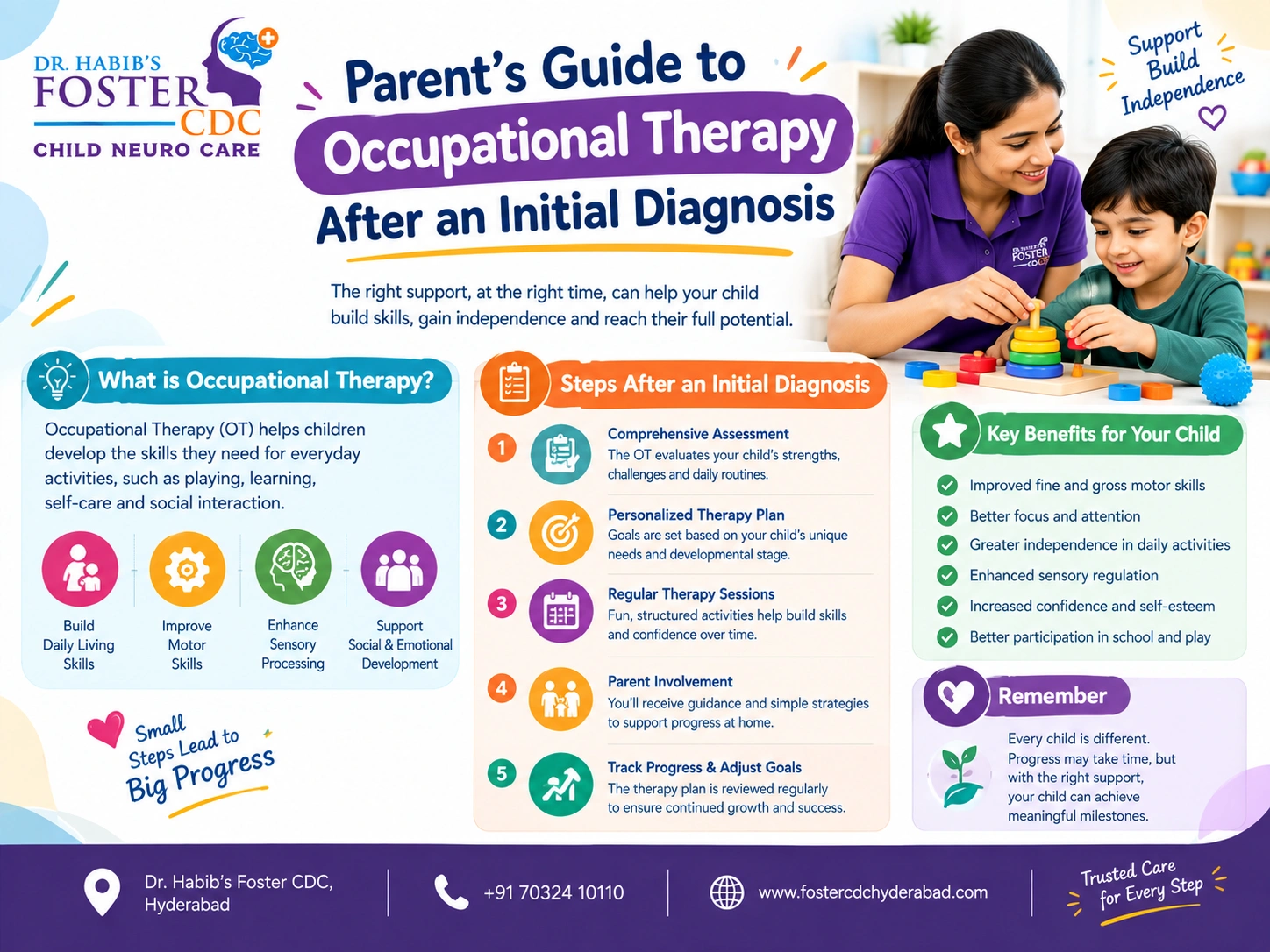
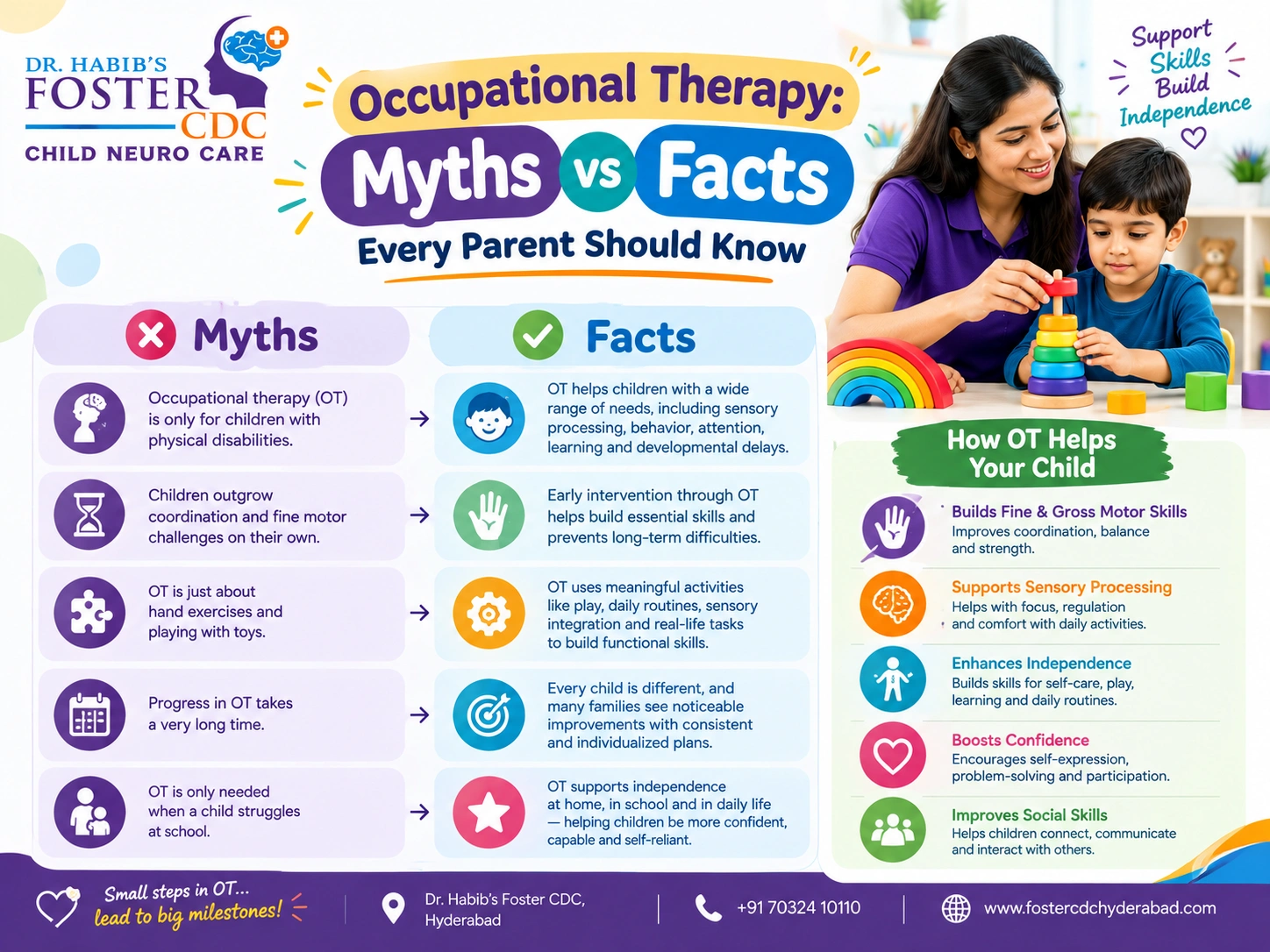
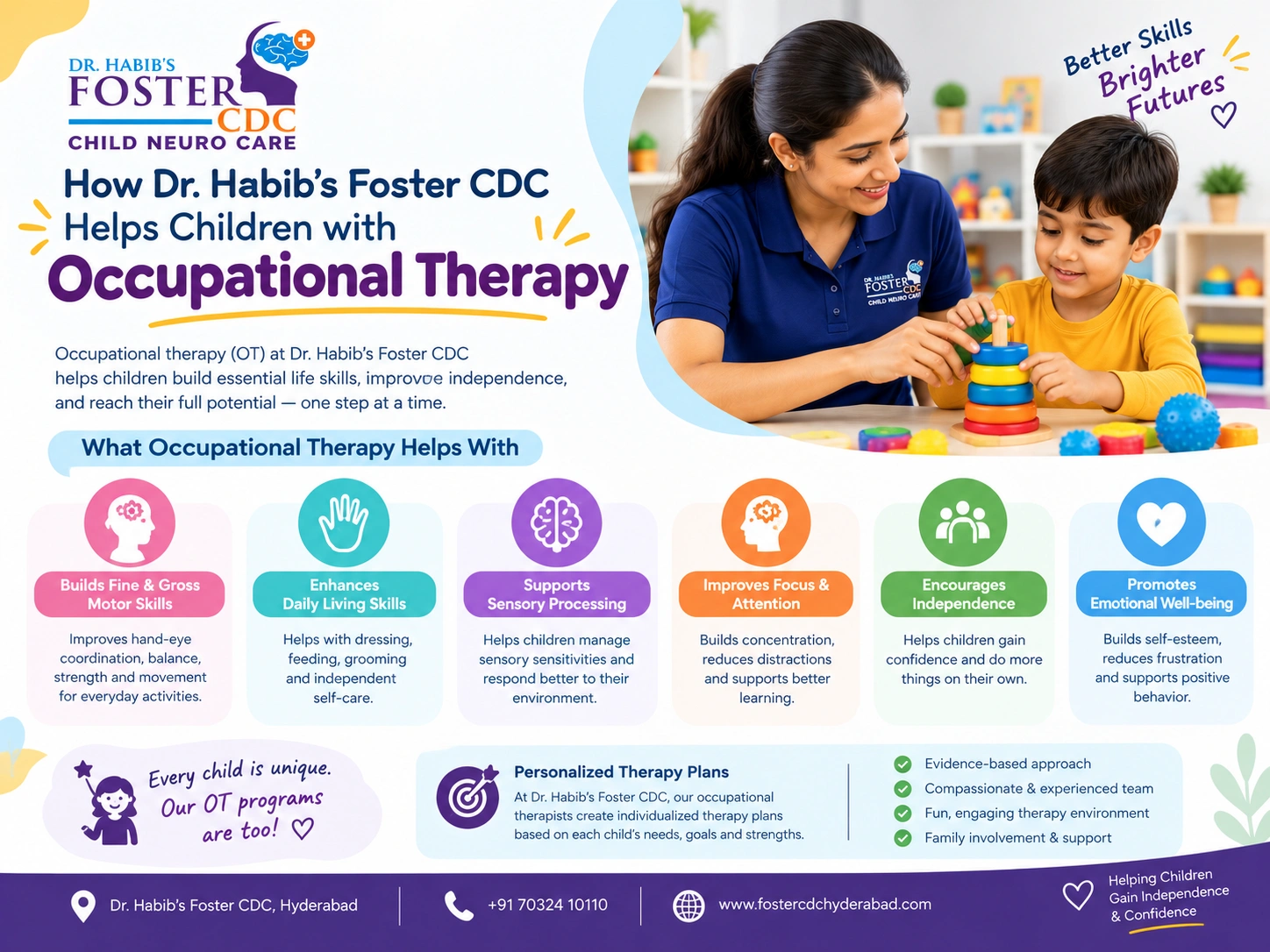
- Occupational
Therapy: Aids in developing fine motor
skills and daily living activities, such as dressing, feeding, and
playing.
2. Enhancing Social and Emotional Skills
Special
children often struggle with social interactions and emotional regulation.
Therapies, particularly behavioral and play therapies, focus on enhancing a
child’s ability to interact with others, understand social cues, and manage
their emotions effectively.
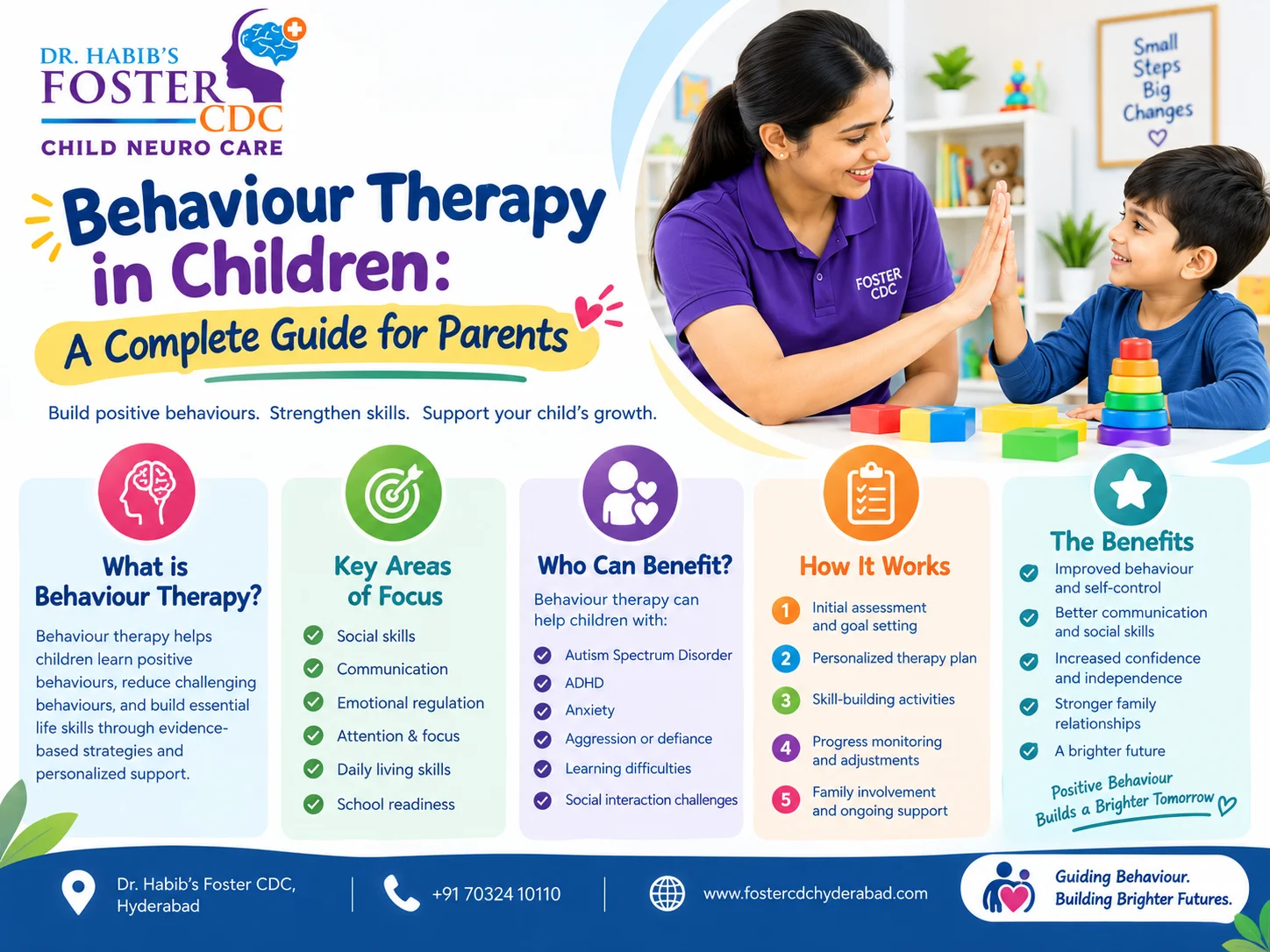
- Behavioral Therapy:
Addresses specific behaviors, encouraging positive actions while reducing
negative ones. This therapy is particularly effective for children with
ASD or ADHD.
- Play Therapy:
Uses play as a medium to help children express their emotions, develop
problem-solving skills, and enhance their social interactions.
3. Improving Cognitive Abilities
Cognitive
therapies are designed to enhance a child's thinking, learning, and
problem-solving abilities. These therapies can include specialized educational
interventions, cognitive-behavioral therapy (CBT), and sensory integration
therapy.
- Cognitive-Behavioral
Therapy (CBT): Focuses on changing
negative thought patterns that can affect a child’s behavior and emotional
state. It’s particularly beneficial for children with anxiety, depression,
or PTSD.
- Sensory Integration
Therapy: Helps children who have sensory
processing disorders, aiding them in responding more effectively to
sensory stimuli, such as touch, sound, and light.
4. Boosting Independence
One
of the ultimate goals of therapy for special children is to increase their
independence. Through various therapeutic interventions, children can learn
skills that enable them to perform daily tasks on their own. This not only
fosters a sense of accomplishment but also reduces their reliance on others,
boosting their confidence and self-esteem.
5. Supporting Families
Therapies
are not just beneficial for the child but also for the entire family. Parents
and caregivers often receive guidance on how to support their child’s
development at home. This can include learning techniques to manage challenging
behaviors, communication strategies, and ways to create a supportive and
nurturing environment.
6. Addressing Specific Needs
Each
special child has unique needs, and therapies are often tailored to address
these specific challenges. For example, a child with cerebral palsy may require
more physical therapy to enhance mobility, while a child with a learning
disability may benefit from educational therapy to improve academic skills.
The Long-Term Impact of Therapies
The
benefits of early and consistent therapeutic intervention cannot be overstated.
Studies have shown that children who receive appropriate therapies at a young
age are more likely to succeed in school, build meaningful relationships, and
lead fulfilling lives. Early intervention is particularly crucial as it can
significantly alter the trajectory of a child’s development, providing them
with the tools they need to navigate the world more effectively.
Conclusion
Every
child deserves the opportunity to reach their full potential, and for special
children, therapies are an essential part of that journey. By addressing
developmental, social, emotional, and cognitive needs, therapies offer these
children the support they need to thrive. For parents and caregivers, embracing
therapy is an investment in their child’s future, providing hope, progress, and
a better quality of life. If you are a parent or caregiver of a special child,
consider exploring the various therapeutic options available at Dr. Habib’s
Foster CDC, and seek out professional guidance to ensure your child receives
the best possible care.
Other Blogs



Services
- Behavioural Therapy
- Speech Therapy
- Special Education
- Parent Training
- Psychotherapy & Counselling
- Yoga Therapy
- Postural & Mobility Therapy
- Early Intervention Services
- Cognitive Behavioural Therapy
- Occupational Therapy
- Group Teaching
- Teachers' Training
- Certified Courses
- Developmental Therapy
- Autism Therapy