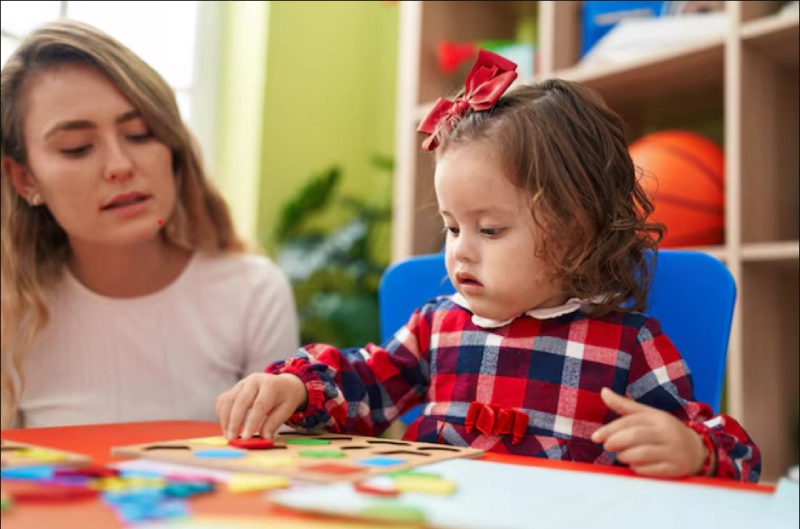
Why Is Therapy Important for Autism | Foster CDC
Autism spectrum disorder (ASD) is a neurodevelopmental condition that affects individuals in various ways, impacting social interaction, communication skills, and behavior. For parents of children diagnosed with autism, navigating the journey can be challenging, but early intervention through autism therapy can make a significant difference. In this blog, we'll delve into the reasons why autism therapy is crucial for children with ASD and how it can positively impact their lives.
Why is Therapy Important for Autism
1. Tailored Support: Autism therapy offers tailored support that addresses the unique needs of each child. Since autism presents differently in every individual, personalized therapy plans are essential to address specific challenges and strengths. Therapists work closely with parents to understand the child's behavior, communication patterns, and sensory sensitivities, crafting interventions that promote development and well-being.
2. Social and Communication Skills: One of the hallmark features of autism is difficulty in social interaction and communication. Therapy interventions such as Applied Behavior Analysis (ABA), speech therapy, and social skills training target these areas, helping children improve their ability to initiate and maintain conversations, understand social cues, and engage in meaningful interactions with peers and adults. By honing these skills, children with autism can build friendships, navigate social situations, and establish connections with others.
3. Behavioral Management: Children with autism may exhibit challenging behaviors such as tantrums, aggression, or repetitive movements. Autism therapy provides strategies for managing these behaviors effectively. Through techniques like positive reinforcement, visual supports, and sensory integration therapy, therapists help children regulate their emotions, cope with sensory stimuli, and develop appropriate coping mechanisms. By addressing underlying triggers and teaching alternative behaviors, therapy empowers children to communicate their needs and navigate daily challenges more effectively.
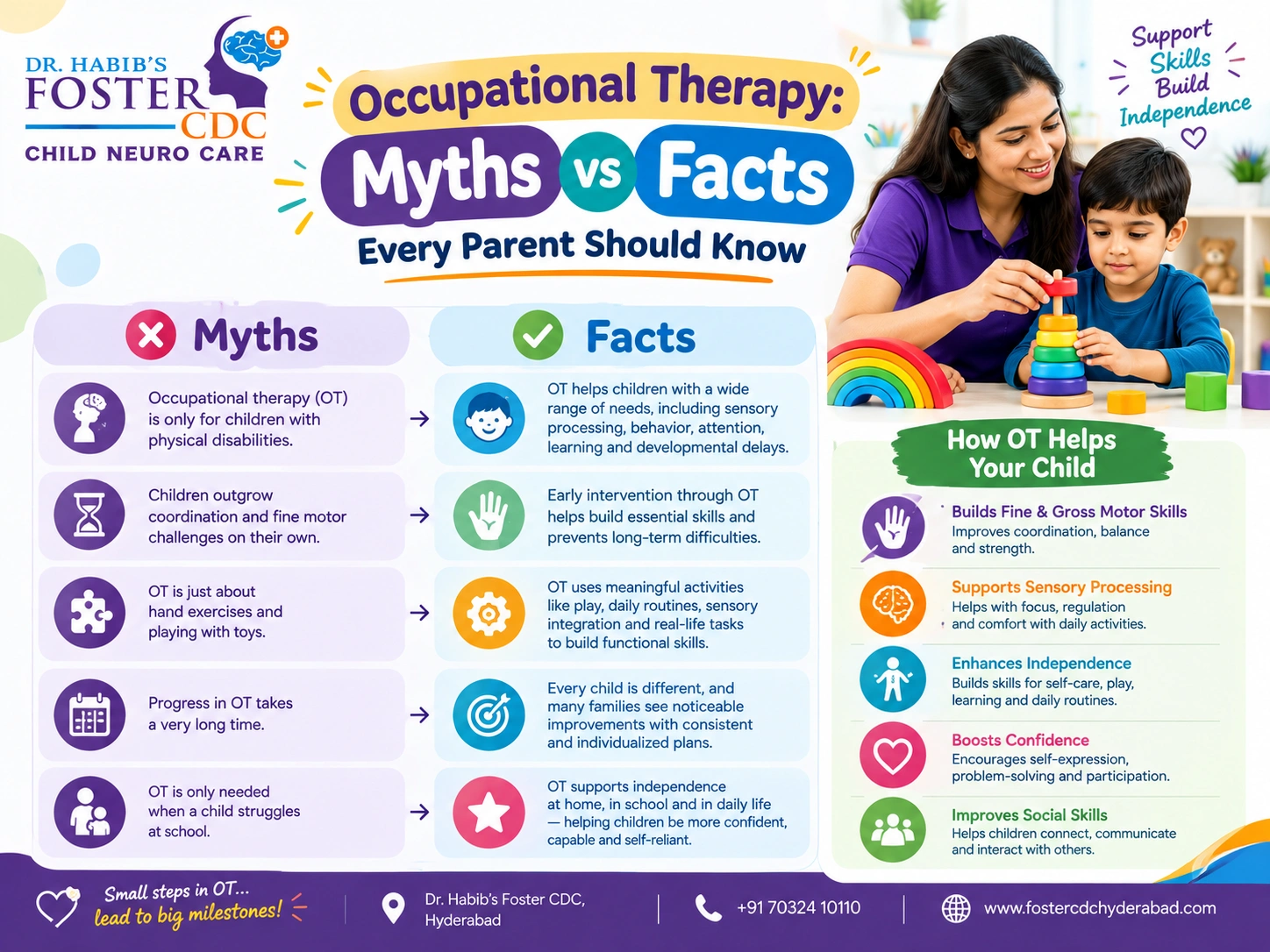
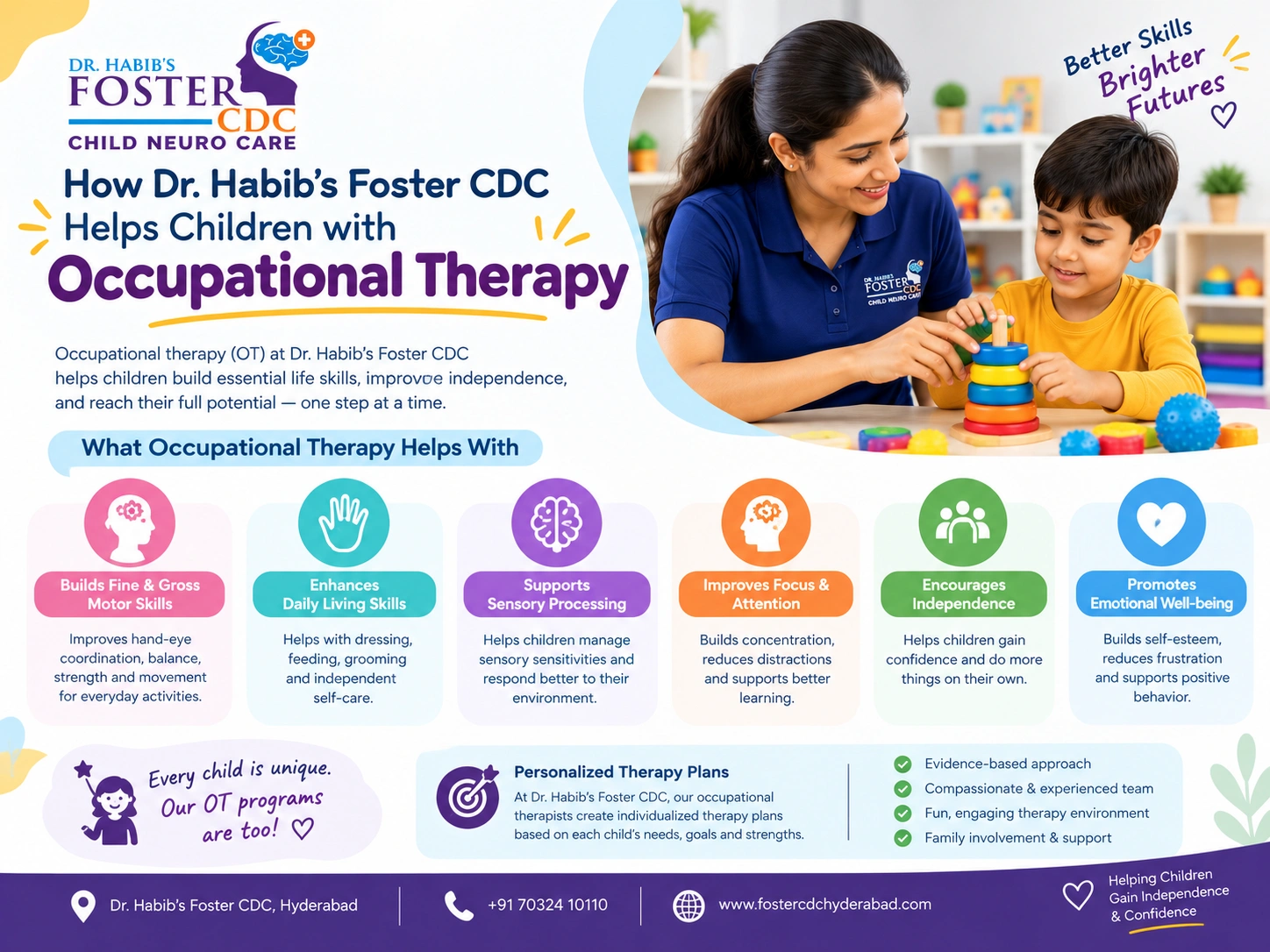
4. Cognitive Development: Autism therapy encompasses various approaches that promote cognitive development and learning. Occupational therapy focuses on enhancing fine motor skills, sensory processing, and self-care abilities, while structured teaching methods help children with autism develop organizational skills, time management, and academic readiness. By providing a supportive environment tailored to the child's learning style, therapy fosters cognitive growth, independence, and academic success.
5. Family Support and Education: Autism therapy is not just for the child; it extends to the entire family. Therapists work collaboratively with parents and caregivers, offering guidance, support, and resources to navigate the challenges of raising a child with autism. Parent training sessions equip caregivers with valuable strategies for implementing therapy techniques at home, fostering consistency and continuity of care. Additionally, family therapy provides a safe space for open communication, emotional support, and skill-building, strengthening family bonds and resilience.
6. Enhancing Quality of Life: Ultimately, the goal of autism therapy is to enhance the overall quality of life for children with ASD and their families. By addressing core deficits, building essential skills, and fostering independence, therapy empowers children to lead fulfilling and meaningful lives. Through early intervention and ongoing support, children with autism can achieve their full potential, pursue their interests, and participate actively in school, community, and social activities.
Key reasons why is therapy important for autism:
• Skill Acquisition: Therapy can help children with ASD learn new skills that are vital for their development and independence.
• Behavioral Improvement: It can reduce problematic behaviors and increase desired behaviors through positive reinforcement.
• Social Interaction: Autism therapies often focus on improving social skills that are essential for building relationships and functioning in society.
• Communication: Many children with ASD have difficulty with communication; therefore, therapy can help them develop communication skills.
• Sensory Integration: Some therapies address sensory sensitivities that children with ASD may experience, helping them cope with the sensory aspects of their environment.
• Academic Functioning: Therapies can also support academic skills, allowing children to perform better in educational settings.
• Family Support: Therapy provides support and education for families, helping them understand and effectively respond to the needs of their child with ASD.
It’s important to note that the effectiveness of different therapies can vary from child to child. Experts and therapists at Dr. Habib’s Foster CDC customize treatment options according to a child’s specific needs.
Other Blogs

Services
- Behavioural Therapy
- Speech Therapy
- Special Education
- Parent Training
- Psychotherapy & Counselling
- Yoga Therapy
- Postural & Mobility Therapy
- Early Intervention Services
- Cognitive Behavioural Therapy
- Occupational Therapy
- Group Teaching
- Teachers' Training
- Certified Courses
- Developmental Therapy
- Autism Therapy