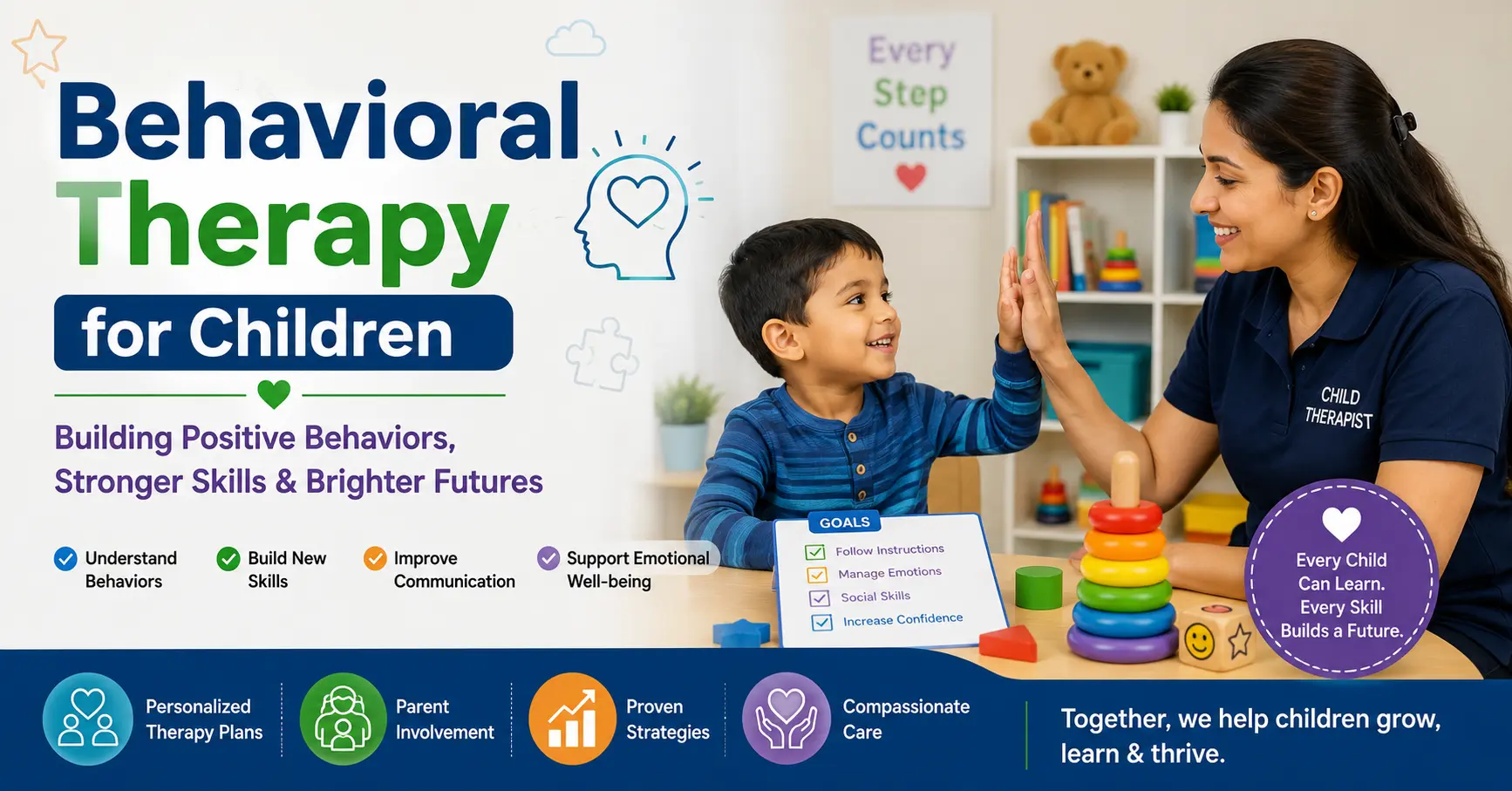
Behavioral Therapy for Children: How It Helps Build Positive Behaviors and Emotional Well-Being
Behavior is one of the primary ways children communicate their emotions, needs, and experiences. While occasional tantrums, frustration, or difficulty following instructions are a normal part of growing up, persistent behavioral challenges may affect a child's learning, relationships, and emotional well-being.
Behavioral Therapy for Children is a structured, evidence-informed approach that helps children develop positive behaviors, improve emotional regulation, strengthen communication skills, and build confidence. Rather than focusing only on reducing unwanted behaviors, behavioral therapy teaches children practical skills that support healthy development at home, school, and in social settings.
With early guidance and family involvement, many children learn strategies that help them navigate everyday situations more successfully.
What Is Behavioral Therapy for Children?
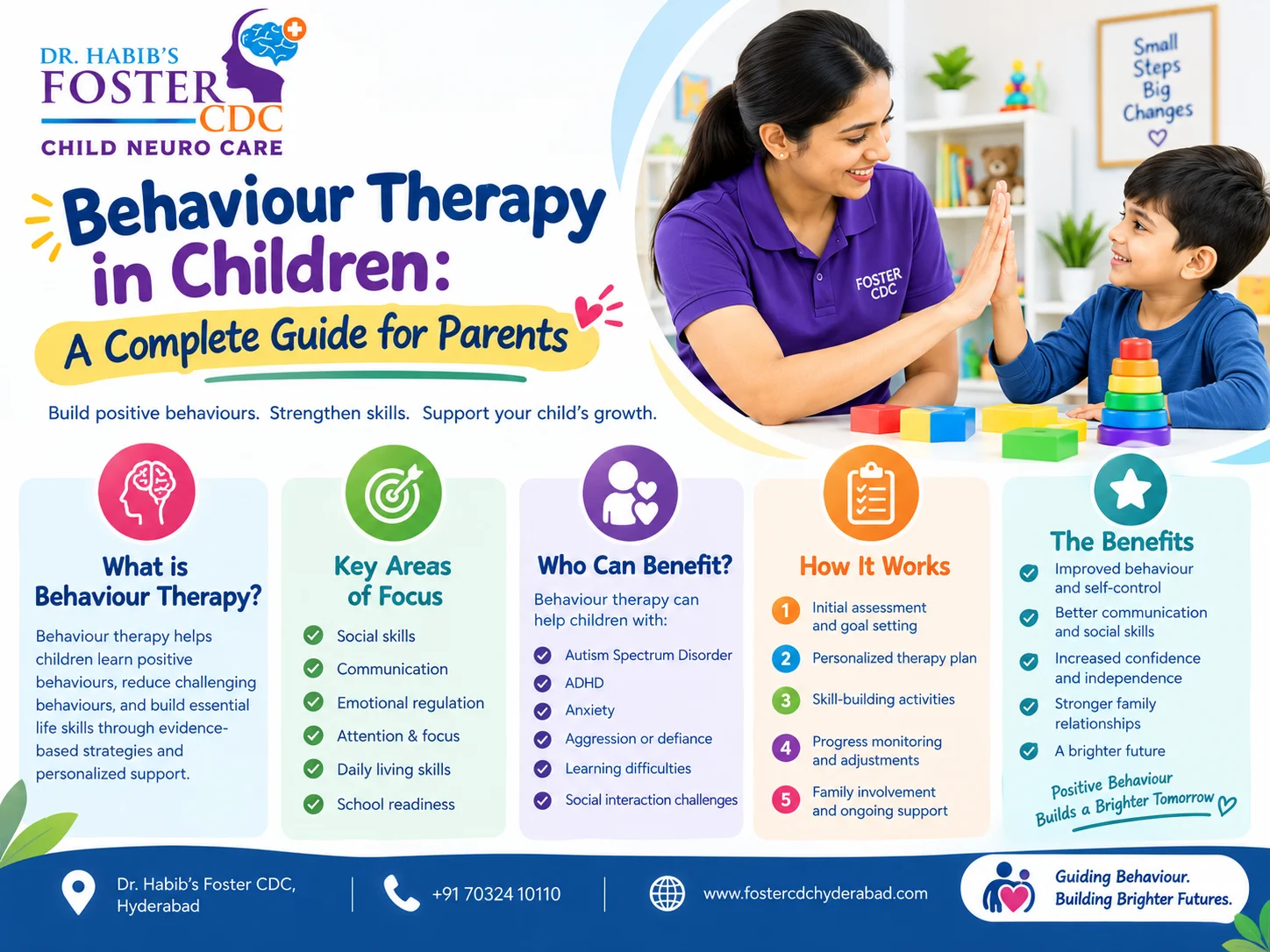
Behavioral Therapy for Children is a therapeutic approach designed to understand why challenging behaviors occur and teach children healthier ways to respond to different situations.
Therapists observe behavior patterns, identify possible triggers, and create individualized strategies that encourage positive behavior while reducing behaviors that interfere with learning or daily life.
Behavioral therapy is always tailored to the child's age, developmental stage, strengths, and individual needs.
When Can Behavioral Therapy Help?
Children may benefit from behavioral therapy if they frequently experience:
Difficulty following instructions
Frequent temper tantrums beyond the expected developmental stage
Aggressive behaviors such as hitting or biting
Difficulty controlling emotions
Impulsive behavior
Poor attention and concentration
Difficulty adjusting to routines
Social interaction challenges
School behavior concerns
Anxiety-related behaviors
Low frustration tolerance
Experiencing one or two of these behaviors occasionally does not necessarily indicate a disorder. A comprehensive assessment helps determine whether therapy may be beneficial.
Common Conditions That May Benefit from Behavioral Therapy
Behavioral therapy can be helpful for children experiencing challenges associated with:
Attention-Deficit/Hyperactivity Disorder (ADHD)
Autism Spectrum Disorder (ASD)
Developmental delays
Learning differences
Anxiety disorders
Emotional regulation difficulties
Oppositional behaviors
Social communication challenges
Therapy goals are individualized and based on each child's specific needs rather than a diagnosis alone.
How Does Behavioral Therapy Work?
Every child receives an individualized treatment plan developed after a detailed assessment.
Behavioral therapy may include:
Understanding Behavior Patterns
Therapists identify situations that trigger challenging behaviors and the factors that reinforce them.
Teaching Positive Replacement Behaviors
Instead of only reducing unwanted behavior, children learn appropriate alternatives, such as asking for help, expressing emotions, or taking turns.
Building Emotional Regulation
Children develop skills to recognize emotions and respond calmly to difficult situations.
Improving Social Skills
Sessions often include activities that teach sharing, communication, cooperation, listening, and problem-solving.
Parent Guidance
Parents receive practical strategies to reinforce positive behaviors consistently at home.
Benefits of Behavioral Therapy for Children
Children who participate in behavioral therapy may develop:
Better emotional control
Improved communication
Increased confidence
Stronger social skills
Better attention and listening skills
Improved classroom participation
Greater independence
Healthier family relationships
Better coping skills during challenging situations
Progress varies for every child and depends on consistent therapy, home practice, and family involvement.
The Importance of Positive Reinforcement
Positive reinforcement is one of the most effective strategies used in behavioral therapy.
Instead of focusing only on mistakes, therapists recognize and encourage positive behaviors through praise, encouragement, rewards, and meaningful feedback.
Examples include:
Completing tasks independently
Using polite language
Following instructions
Sharing with others
Managing emotions appropriately
Positive reinforcement motivates children to repeat successful behaviors naturally.
How Parents Can Support Behavioral Therapy at Home
Parents play an essential role in helping children practice new skills beyond therapy sessions.
Helpful strategies include:
Maintaining predictable daily routines
Giving clear, simple instructions
Praising positive behaviors immediately
Staying calm during challenging situations
Using consistent expectations
Encouraging communication
Limiting distractions during learning activities
Spending quality one-on-one time with your child
Small, consistent efforts at home reinforce therapy goals.
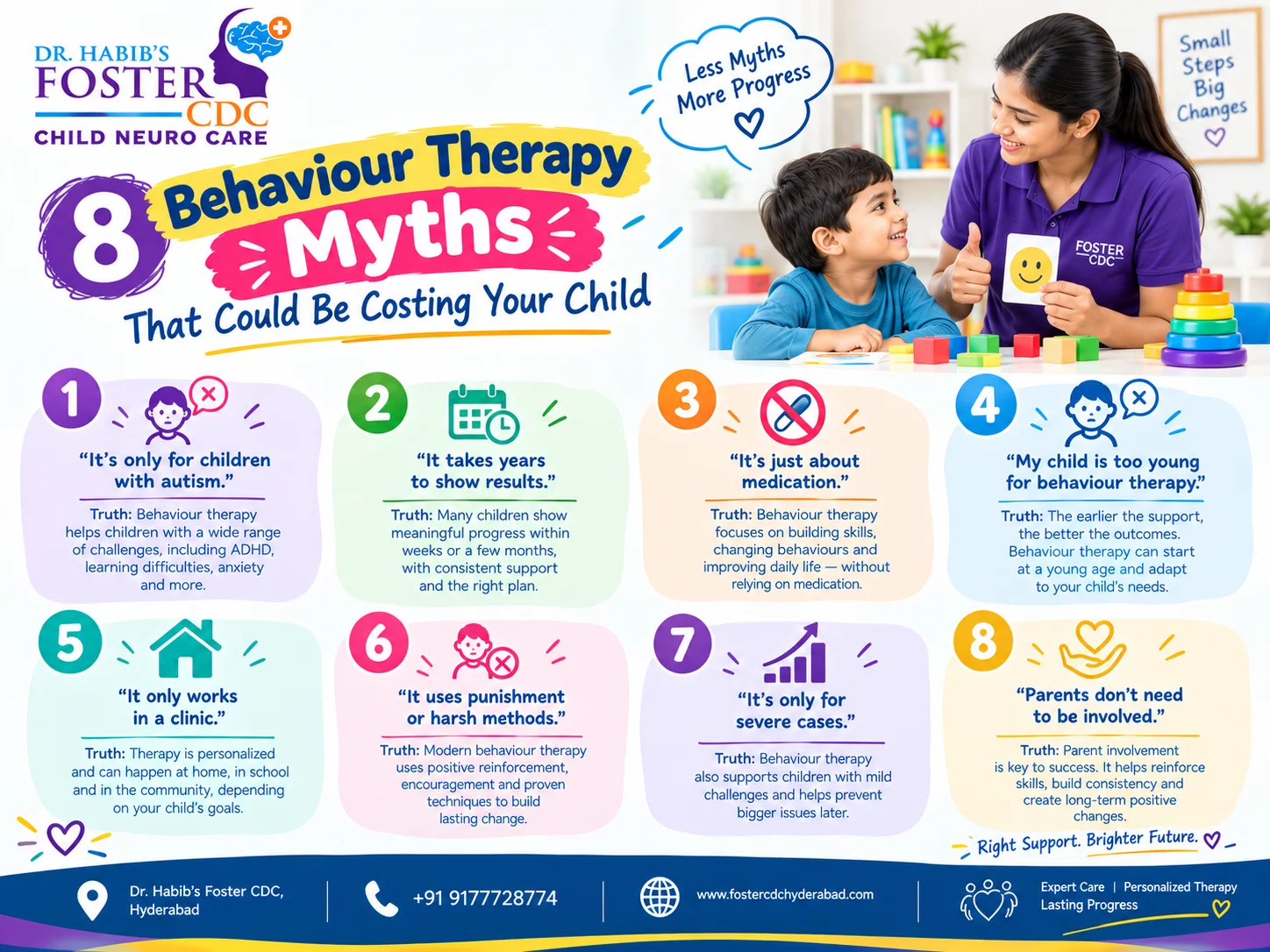
Common Myths About Behavioral Therapy
Myth 1: Behavioral therapy is only for children with severe behavioral problems.
Fact: Behavioral therapy supports children with a wide range of emotional, social, and behavioral challenges, from mild to more complex needs.
Myth 2: Therapy changes a child's personality.
Fact: Behavioral therapy does not change who a child is. It helps children learn practical skills that improve daily functioning and relationships.
Myth 3: Parents are not involved.
Fact: Parent participation is an important part of successful therapy. Families receive guidance to support progress at home.
Myth 4: Results happen immediately.
Fact: Every child progresses differently. Meaningful change often develops gradually through consistent practice and support.
When Should Parents Seek Professional Guidance?
Consider consulting a child development specialist if your child:
Frequently struggles to manage emotions
Displays behaviors that interfere with learning
Experiences ongoing difficulties at school
Has trouble building friendships
Shows aggressive behaviors that persist over time
Finds it difficult to follow daily routines
Experiences frequent emotional outbursts that concern caregivers or teachers
Early assessment allows professionals to understand your child's strengths and identify appropriate support strategies.
Why Early Intervention Matters
Addressing behavioral challenges early can help children build important life skills before difficulties become more significant.
Early intervention may support:
School readiness
Emotional development
Family relationships
Social participation
Communication skills
Independence
Supporting children during the early years creates more opportunities for healthy long-term development.
Frequently Asked Questions
1. What is behavioral therapy for children?
Behavioral therapy helps children develop positive behaviors, emotional regulation, communication skills, and healthy coping strategies through structured, individualized interventions.
2. At what age can a child start behavioral therapy?
The appropriate age depends on the child's developmental needs. Early evaluation can help determine whether therapy may be beneficial.
3. How long does behavioral therapy take?
The duration varies based on each child's goals, progress, and individual needs.
4. Are parents involved in behavioral therapy?
Yes. Parent involvement is an important part of therapy, as children practice many skills during everyday routines at home.
5. Can behavioral therapy improve school performance?
Behavioral therapy may help children strengthen attention, communication, emotional regulation, and social skills that support classroom participation.
6. Is behavioral therapy only for children with autism or ADHD?
No. Behavioral therapy can benefit children experiencing a variety of emotional, behavioral, social, or developmental challenges.
7. What happens during a behavioral therapy session?
Sessions often include play-based activities, skill-building exercises, parent guidance, observation, and individualized interventions tailored to the child's goals.
8. How do I know if my child needs behavioral therapy?
If behavioral challenges consistently affect your child's daily life, learning, relationships, or emotional well-being, a professional developmental assessment can help determine the most appropriate support.
Conclusion
Behavioral Therapy for Children focuses on helping children develop practical life skills that improve communication, emotional regulation, confidence, and positive behavior. Every child is unique, and therapy is most effective when it is personalized, evidence-informed, and supported by active family involvement.
If you have concerns about your child's behavior, seeking guidance from experienced child development professionals can help identify strengths, understand challenges, and create a supportive plan that encourages healthy growth and lifelong learning.
Other Blogs


Services
- Behavioural Therapy
- Speech Therapy
- Special Education
- Parent Training
- Psychotherapy & Counselling
- Yoga Therapy
- Postural & Mobility Therapy
- Early Intervention Services
- Cognitive Behavioural Therapy
- Occupational Therapy
- Group Teaching
- Teachers' Training
- Certified Courses
- Developmental Therapy
- Autism Therapy