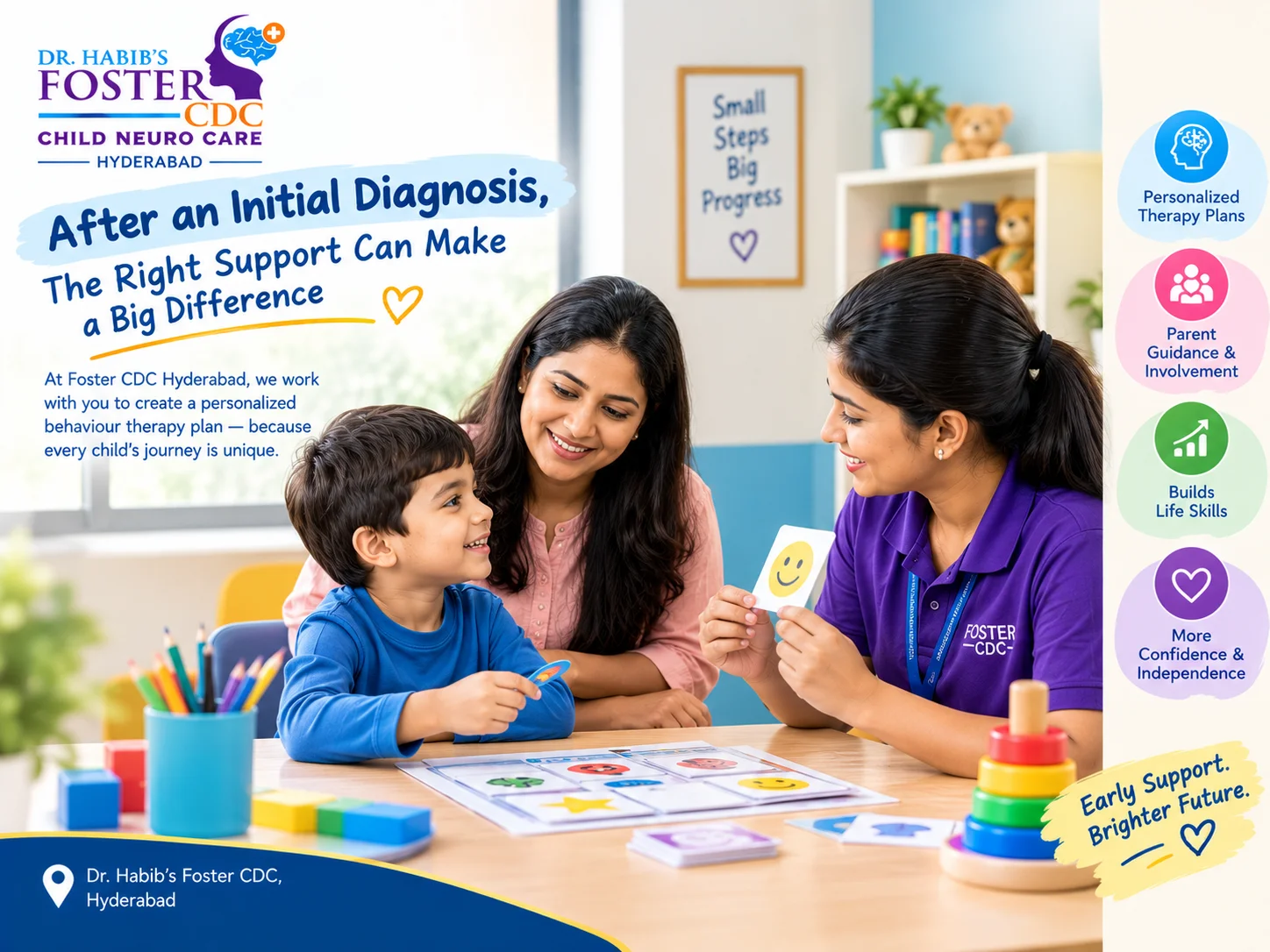
Parent's Guide to Behaviour Therapy After an Initial Diagnosis: What Happens Next
The appointment is over. You have a report, maybe a few unfamiliar terms written in it, and a head full of questions that only seem to arrive once you're in the car. If a clinician has recommended behaviour therapy for your child, the next few weeks can feel strangely unstructured: you know help is needed, but nobody has handed you a map.
This guide is that map. It's written for parents, and also for the teachers, grandparents, and caregivers who spend real hours with the child and often end up carrying part of the plan. I'll walk through what usually happens after a diagnosis, how a behaviour therapy program is put together, what each person around the child can do, and how to judge whether the program you choose is actually working.
First, Take a Breath: A Diagnosis Is Information, Not a Verdict
A diagnosis gives a name to a pattern. It does not tell you how far your child will go, and it does not fix a ceiling on what they can learn. What it does is help the right kind of support get matched to the right kind of need.
Public health and pediatric bodies, including the World Health Organization and the American Academy of Pediatrics, consistently stress early, individualized, family-involved support for children with developmental and behavioural conditions. The practical takeaway for you is simple: starting thoughtfully now matters more than starting perfectly. You don't have to solve everything this week.
The First Month After Diagnosis: A Realistic Sequence
Most families find it easier to move in order rather than all at once.
- Read the report with someone you trust, and underline anything unclear so you can ask about it. It's completely normal to need a second read.
- Book a behaviour therapy assessment. A diagnosis tells you what; a behavioural assessment tells you why specific behaviours happen and what to do about them.
- Gather observations from home and school: when behaviours happen, what came just before, what happened just after. Short, factual notes are far more useful than general impressions.
- Share the diagnosis with the key adults in your child's day, such as class teacher, regular caregiver, and close family, so everyone is working from the same picture.
- Hold off on comparing your child's plan with anyone else's. Two children with the same diagnosis can need very different programs.
What a Behaviour Therapy Program Is Made Of
Behaviour therapy is a family of structured approaches, not one single method. Understanding the main ones helps you ask better questions at an assessment.
| Approach | What It Focuses On | Often Used For | Typical Format |
|---|---|---|---|
| Applied Behaviour Analysis (ABA) | Teaching skills in small steps and reinforcing progress, guided by data | Autism, significant developmental or communication delays | Individual sessions, sometimes across home and school |
| Cognitive Behavioural Therapy (CBT) | Linking thoughts, feelings, and actions; building coping skills | Anxiety, emotional regulation, older children | Regular individual sessions |
| Parent-Child Interaction Therapy (PCIT) | Coaching parents during live play with their child | Defiance, tantrums, early childhood behaviour | Clinic sessions with real-time coaching |
| Social skills training | Turn-taking, conversation, reading social cues | Peer difficulties, autism, ADHD | Individual or small group |
| Positive Behaviour Support (PBS) | Identifying triggers and changing the environment and teaching strategies | Challenging behaviour across home and school | Multi-setting, involves caregivers and teachers |
No row in that table is "the best." The right approach, or combination, depends on your child's age, diagnosis, strengths, and what the assessment shows is driving the behaviour.
How an Assessment Becomes a Plan
A trustworthy program usually moves through these stages:
- Assessment: structured observation, parent and teacher input, developmental history, and a look at what triggers and maintains specific behaviours.
- Goal setting: clear, measurable targets. "Follows a two-step instruction with minimal prompting" is a goal. "Behaves better" is not.
- Intervention: the chosen strategies are taught to the child and, importantly, to the adults around them.
- Review: progress is checked against the goals at regular intervals, and the plan is adjusted.
If a centre offers a fixed package before any real assessment, that's worth pausing on. Individualized planning is the core of good behavioural care.
Who Does What: A Quick Guide for the Adults Around the Child
Behaviour therapy works best when the child's whole environment pulls in the same direction. Here's how responsibilities usually divide.
| Person | Their Most Useful Contribution |
|---|---|
| Parents | Practice the agreed strategies in daily routines (mornings, meals, bedtime), keep brief notes, ask questions at reviews |
| Teachers | Share specific classroom observations ("struggles with transitions between subjects"), use consistent cues and routines that match the plan |
| Other caregivers and grandparents | Follow the same simple, consistent responses so the child isn't getting mixed messages |
| Therapist | Assess, design the plan, coach the adults, track data, adjust as needed |
| Pediatrician | Oversee overall development and coordinate with other specialists when needed |
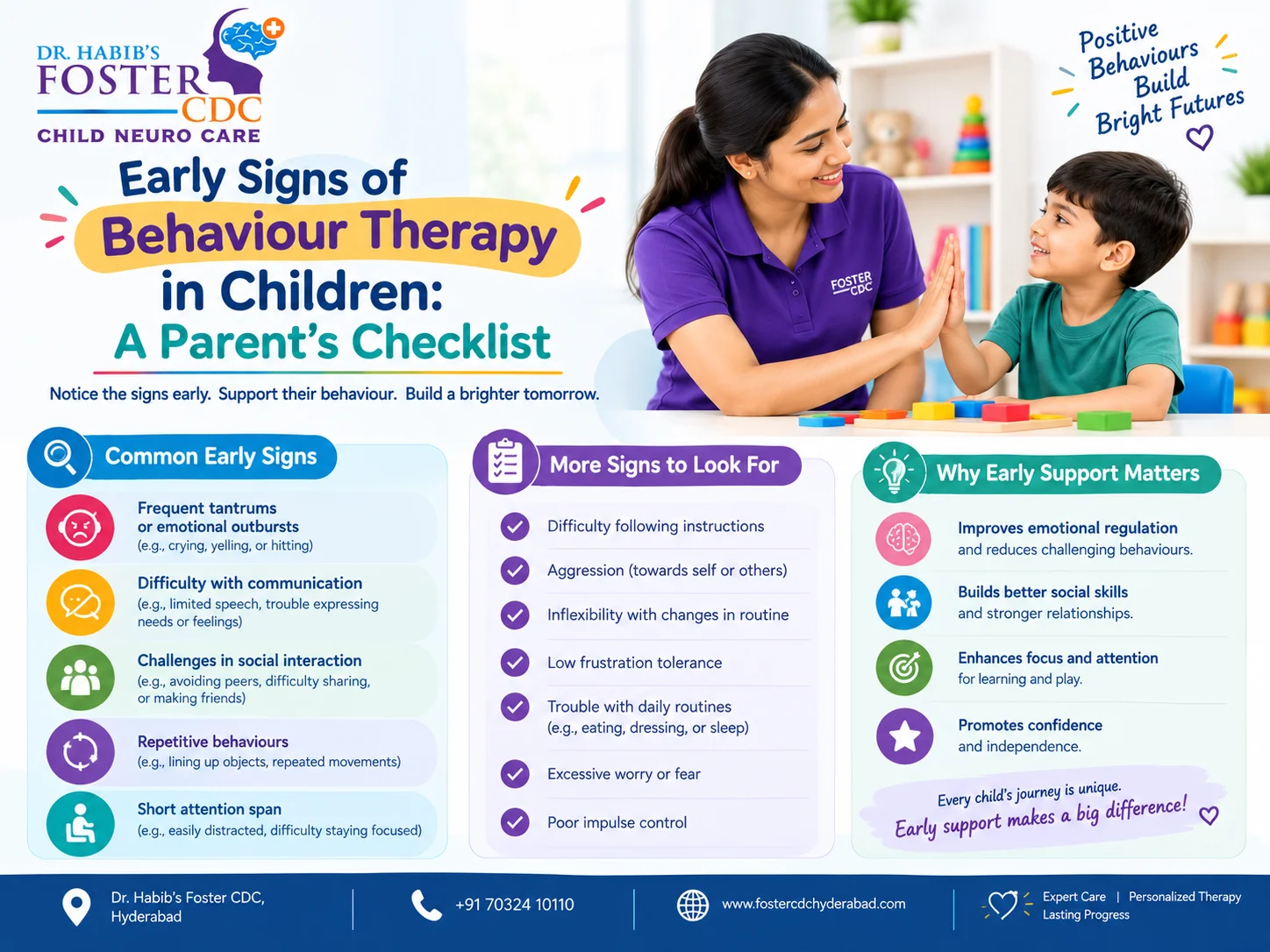
For teachers and caregivers especially: you often see patterns a parent cannot, because behaviour in a group setting can look very different from behaviour at home. Specific, factual observations are one of the most valuable things you can contribute. If you're not sure what to look for, our early signs checklist for behaviour concerns gives a structured way to note what you're seeing.
When Behaviour Is Only Part of the Picture
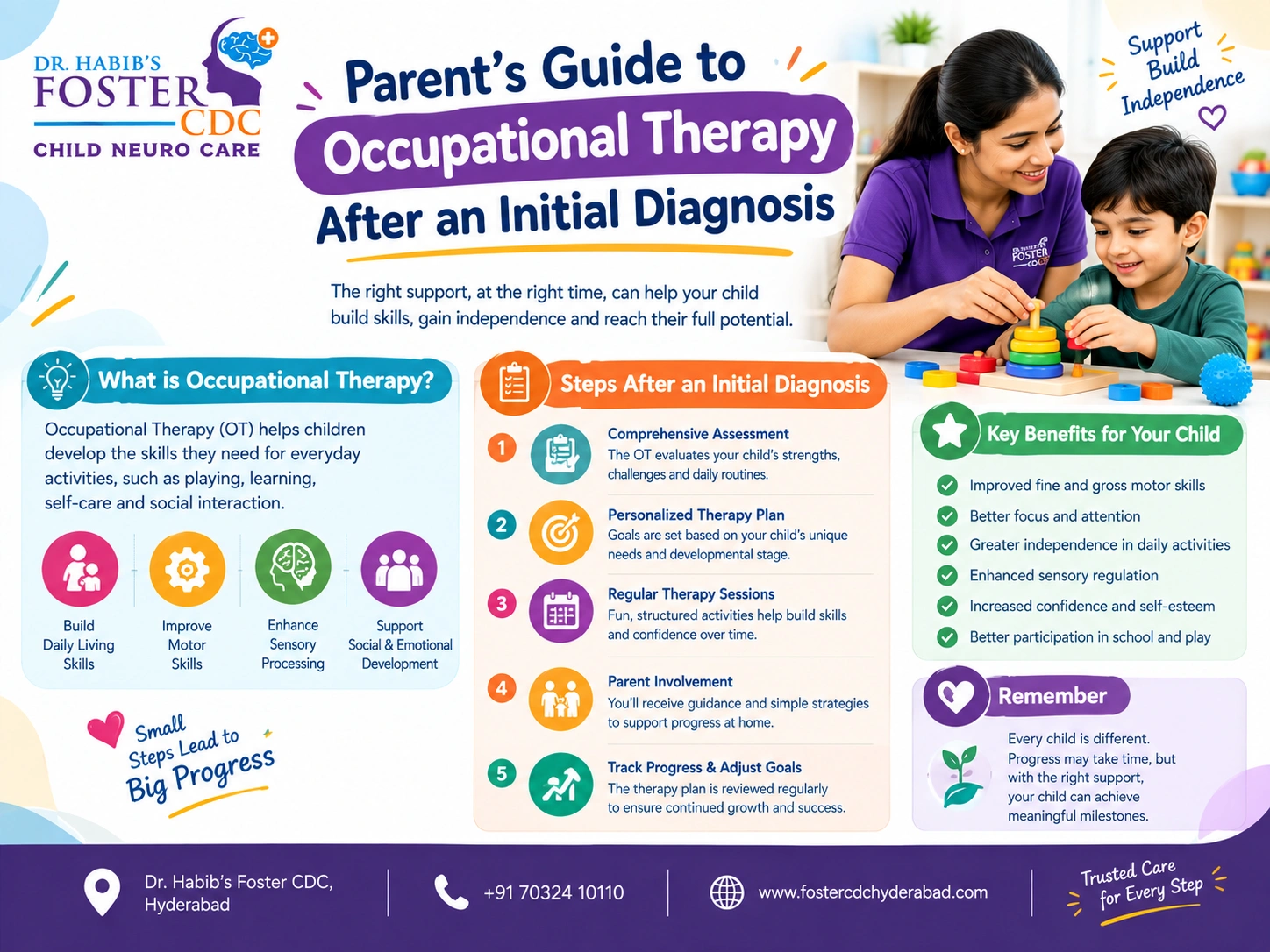
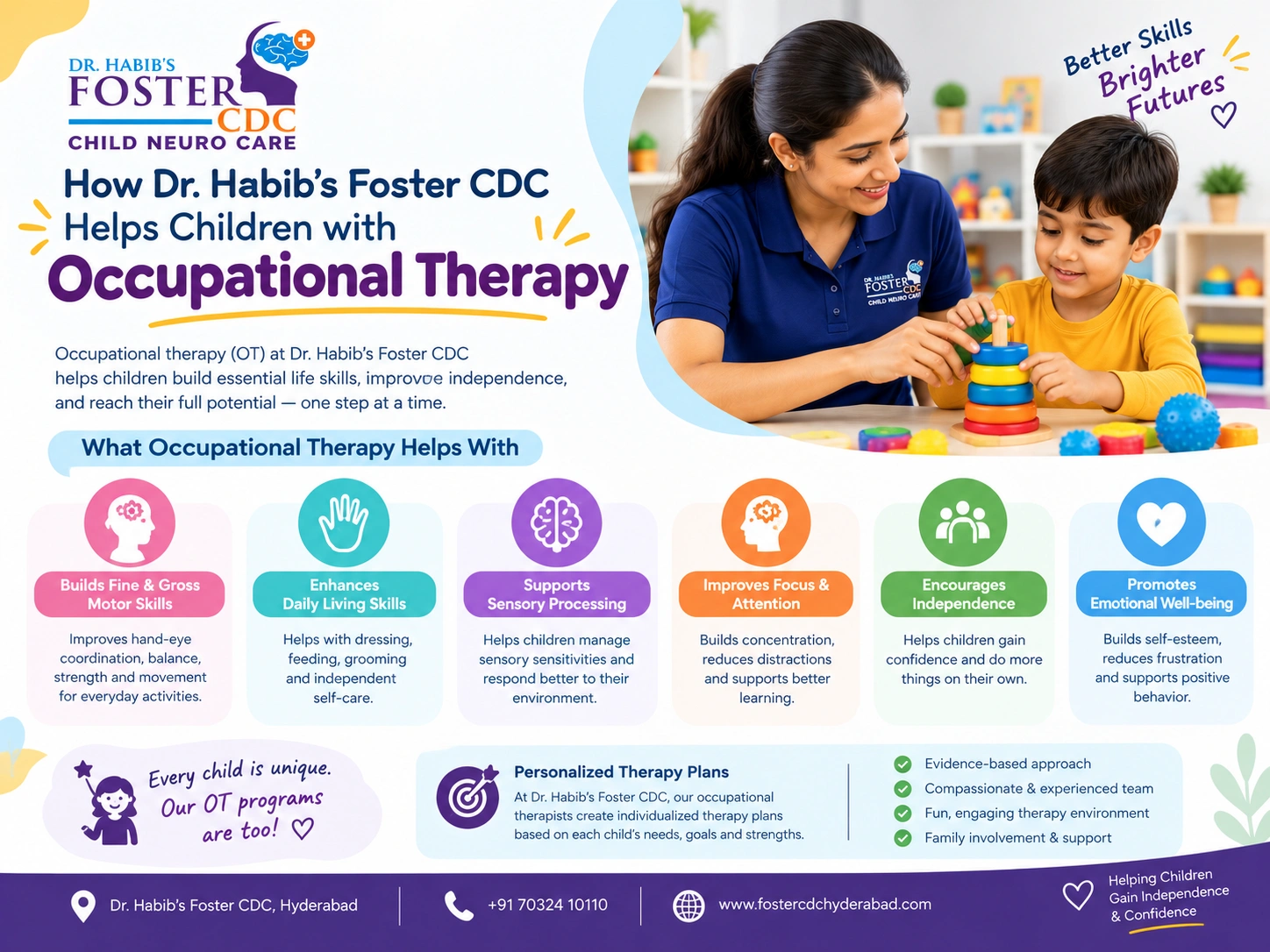
Children rarely have one isolated need. Frequent meltdowns can sit alongside difficulty expressing needs in words, and avoidance of tasks can be linked to sensory discomfort. That's why coordinated care matters. At Foster CDC, behaviour therapy sits alongside speech therapy and occupational therapy, so a child's different supports talk to each other instead of running in parallel without anyone connecting them. If autism is part of your child's diagnosis, our Parent's Guide to Autism After an Initial Diagnosis covers that side of the journey in more detail.
Setting Honest Expectations for the First Year
- Progress is rarely a straight line. Good weeks and hard weeks are both part of the process, and short dips often follow changes like a new school, illness, or a house move.
- Small wins count. A smoother transition out of the house in the morning, or one calm response where there used to be a meltdown, is real progress even if it looks minor.
- Consistency at home carries a lot of weight. Strategies practised in everyday routines tend to matter as much as time spent in the therapy room.
- A change of plan is normal. If your therapist adjusts goals or methods after a review, that's the process working, not a sign that something failed.
- Be wary of guarantees. No reputable provider can promise a specific outcome or a fixed end date. What they can promise is a transparent process.
Questions Worth Asking Any Centre
Whether you're still deciding or already enrolled, these questions keep the conversation concrete:
- How will you assess my child before starting therapy, and will I see the findings in writing?
- Which approach will you use, and why does it suit my child?
- What are the first goals, and how will progress be measured?
- How often are goals reviewed, and how are parents and teachers involved?
- How do you coordinate with my child's other therapists and doctors?
- What happens if progress is slower than expected?
A team that answers these plainly and without defensiveness is one worth considering.
How Foster CDC Supports Families After a Diagnosis
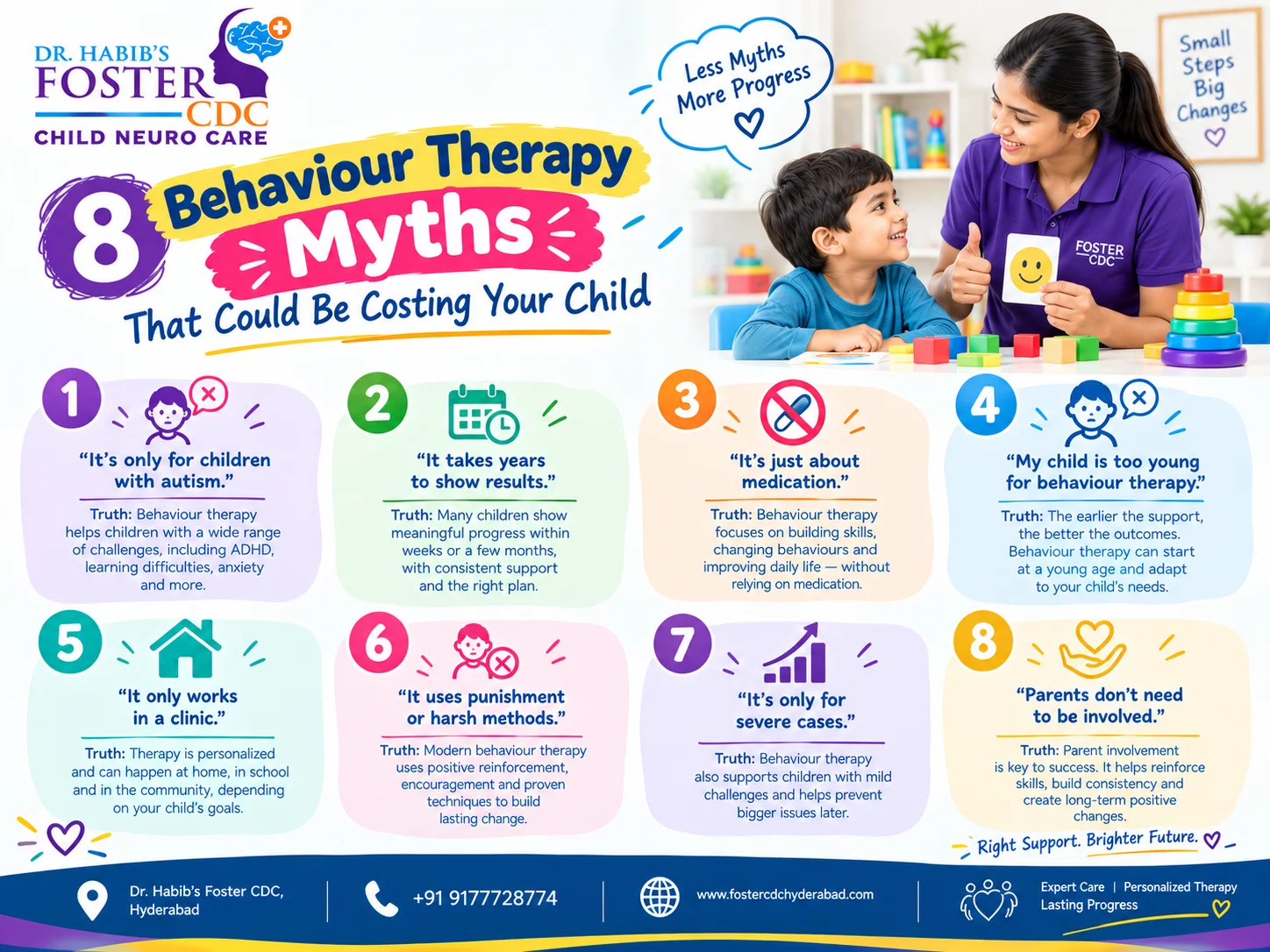
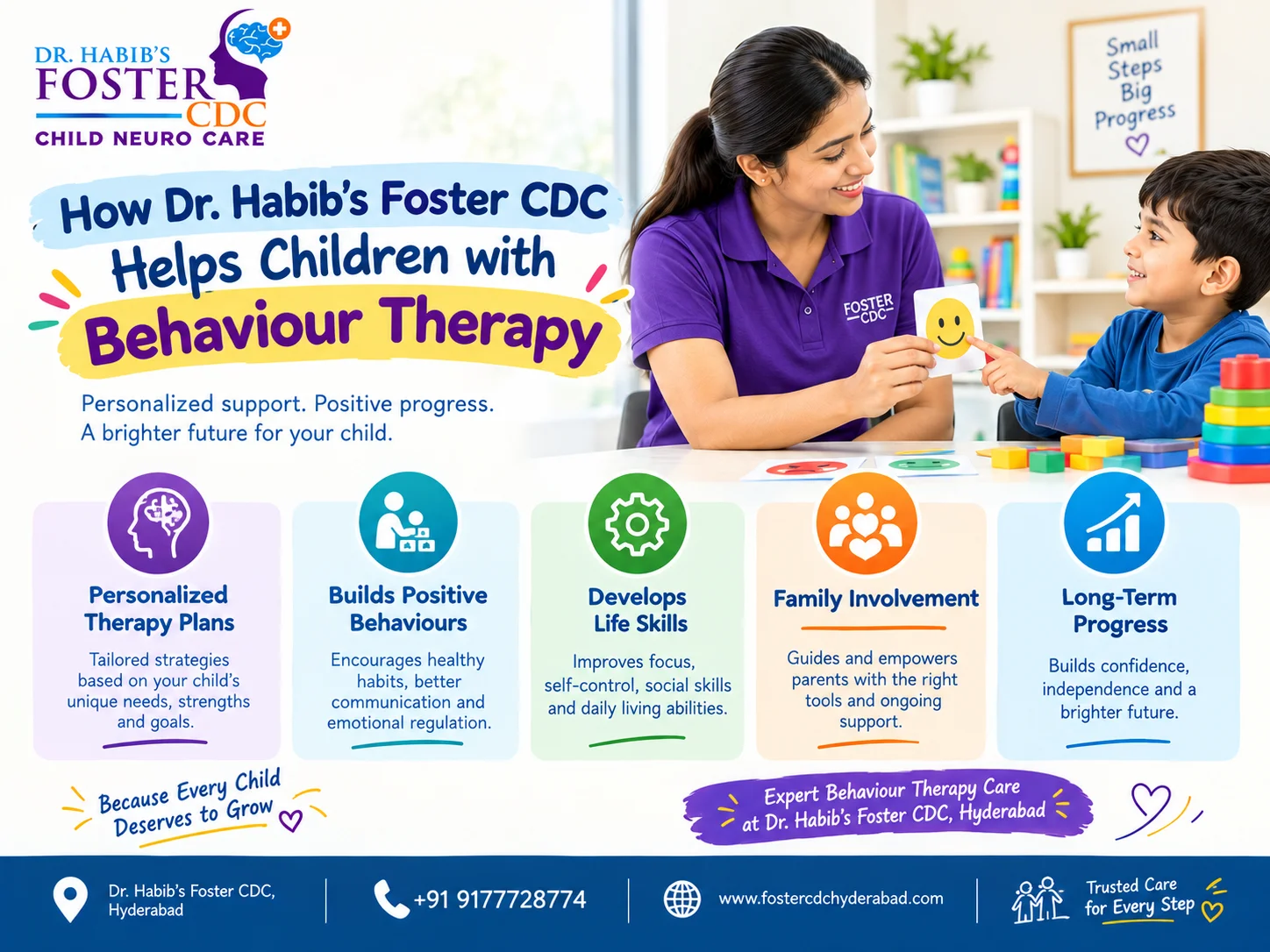
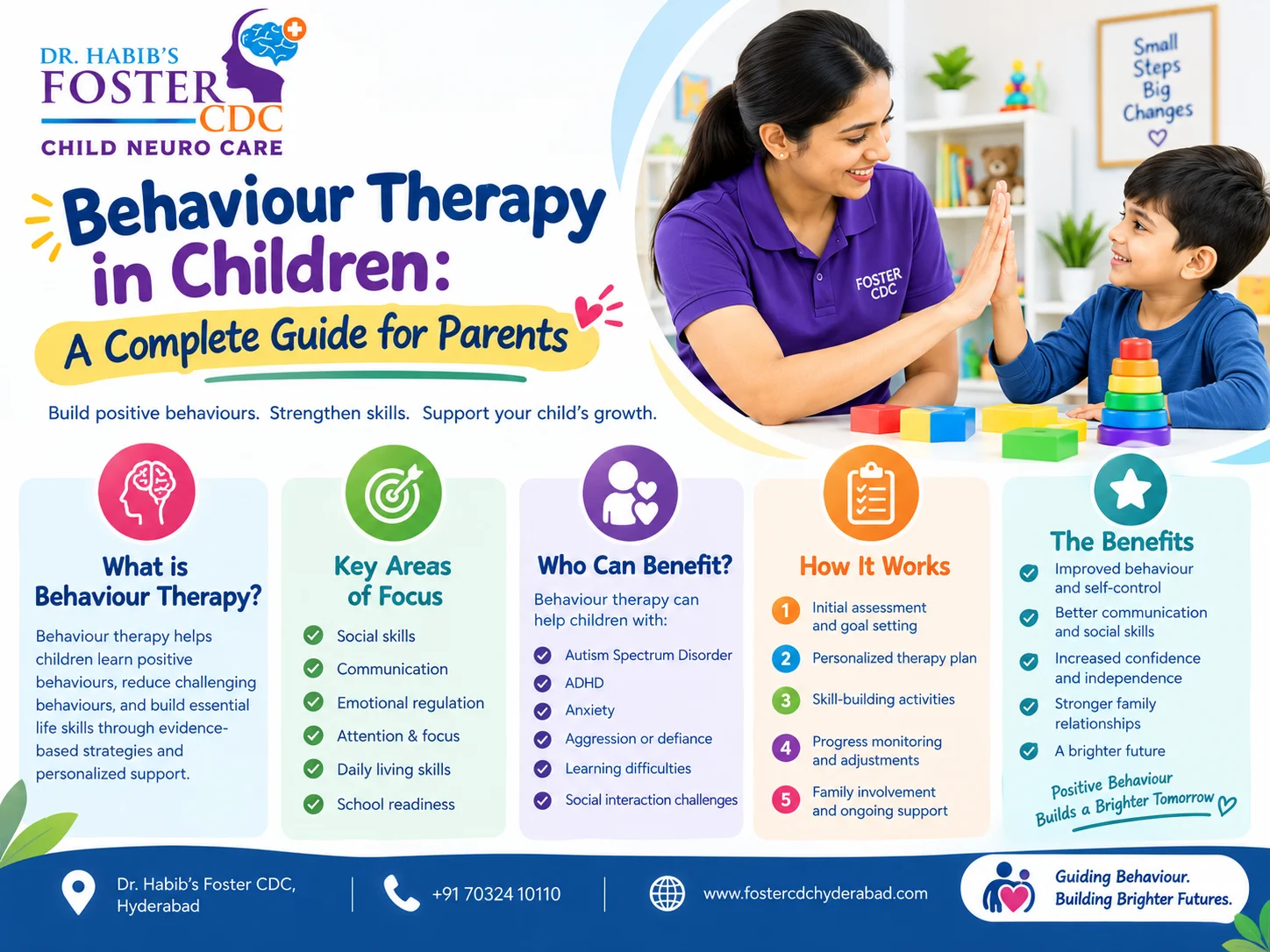
At Dr. Habib's Foster CDC, we start with a comprehensive assessment rather than a ready-made package, then build individualized goals that are reviewed regularly and shared with you. Parent and caregiver training is part of the program, because what happens between sessions matters. For a closer look at our process, see how Foster CDC helps children with behaviour therapy, and to compare the kinds of approaches and providers available, our guide to behaviour therapy in children and overview of treatment options in Hyderabad are good next reads. If some common assumptions are still worrying you, we've also addressed them in behaviour therapy myths vs facts.
Final Thoughts
A diagnosis marks the beginning of a plan, not the end of a hope. With a proper assessment, clear goals, and the adults around your child working from the same page, behaviour therapy gives children practical tools and gives families a steadier way forward. You don't need to do everything at once. You just need a good next step.
Ready for that next step? Book an assessment with Dr. Habib's Foster CDC and get a clear, individualized plan for your child.
Frequently Asked Questions
1. How soon after a diagnosis should behaviour therapy begin? As soon as an assessment can be arranged. Early support is generally associated with better outcomes, but starting later is still worthwhile because there is no age after which therapy stops helping.
2. Do I need a separate behaviour therapy assessment if my child already has a diagnosis? Yes, usually. A diagnosis names the condition, while a behavioural assessment identifies what triggers and maintains specific behaviours so the plan fits your child.
3. What is the difference between ABA and behaviour therapy? ABA is one structured approach within the broader field of behaviour therapy, which also includes methods such as CBT, PCIT, and social skills training.
4. What can teachers and caregivers do to support the therapy plan? Share specific observations, use the same routines and cues agreed in the plan, and stay in touch with the family so strategies stay consistent across settings.
5. How will I know if the program is working? Look for written goals, regular reviews (often every 4 to 8 weeks), and clear evidence of change in specific behaviours rather than general reassurance.
6. Will my child need other therapies alongside behaviour therapy? Possibly. Many children also benefit from speech or occupational therapy, and a good assessment will say whether those supports are likely to help.
Dr. Habib G Pathan is a Developmental Pediatrician at Dr. Habib's Foster CDC, Hyderabad, specializing in early childhood developmental assessment and intervention.
Other Blogs


Services
- Behavioural Therapy
- Speech Therapy
- Special Education
- Parent Training
- Psychotherapy & Counselling
- Yoga Therapy
- Postural & Mobility Therapy
- Early Intervention Services
- Cognitive Behavioural Therapy
- Occupational Therapy
- Group Teaching
- Teachers' Training
- Certified Courses
- Developmental Therapy
- Autism Therapy